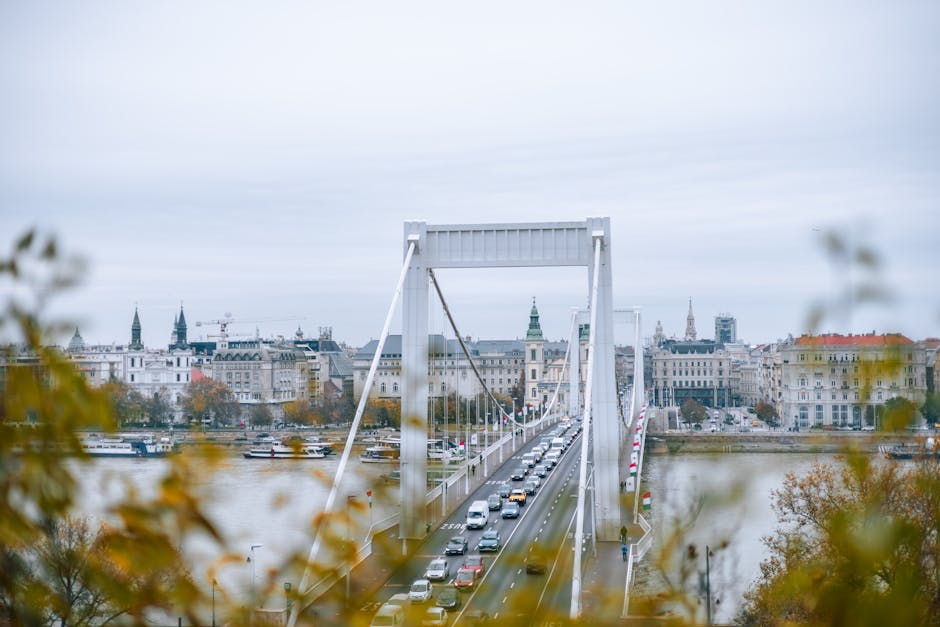
Self-guided audio tour in Budapest
Start Free on iPhone
Start free on iPhone to unlock this self-guided walking tour in Budapest. Hear all the stories that make it amazing, walk at your own pace, and begin whenever you want.
Your Private Tour Guide
Step into the grandeur of the 19th century with a self-guided walk down Andrássy Avenue, Budapest's most elegant boulevard and a UNESCO World Heritage site. Often referred to as the Hungarian Champs-Élysées, this tree-lined avenue was designed to connect the city center with the City Park, showcasing the wealth and ambition of the Austro-Hungarian Empire during its Golden Age. This walking route offers a fascinating blend of architectural splendor, tragic history, and cultural milestones. You will encounter neo-Renaissance mansions, secret courtyards, and some of the most significant cultural institutions in Central Europe. The journey begins with a sobering look at the 20th century at the House of Terror, before transitioning into the musical legacy of Franz Liszt and the aristocratic charm of Kodály körönd. As you progress, the avenue opens up into the massive expanse of Heroes' Square, a stone-carved chronicle of the Hungarian nation. Beyond the square, the route explores the whimsical architecture of Vajdahunyad Castle, hidden within the City Park. Finally, the stroll leads back toward the city's heart to admire the crown jewel of the avenue: the Hungarian State Opera House. Along the way, you are encouraged to look up at the intricate friezes and balconies that define this historic district. Whether you are an architecture enthusiast or a history buff, this neighborhood stroll provides a comprehensive look at the forces that shaped modern Budapest. Because this is a self-guided adventure, you have the freedom to pause for a coffee at a historic café or spend extra time reflecting at the monuments. This walking tour Budapest experience is designed to be flexible, allowing the city's stories to unfold at your own pace while you navigate the wide pavements and leafy stretches of one of Europe's most beautiful streets.
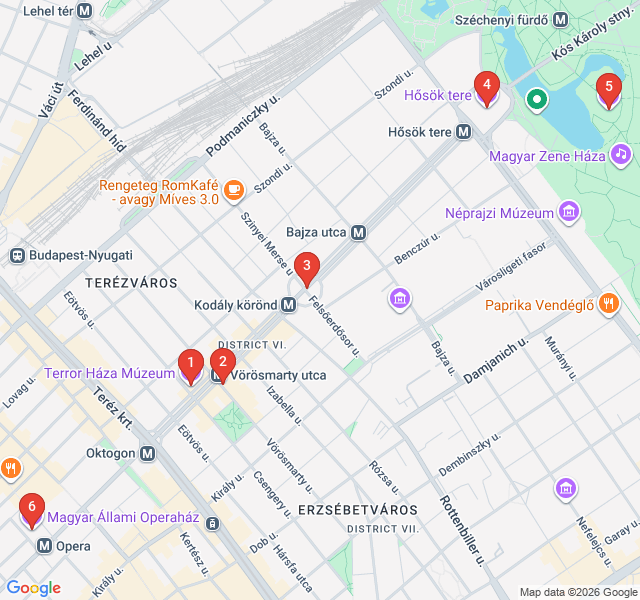
Numbers indicate the order of stops on the tour.
Located at 60 Andrássy út, this building serves as a chilling monument to the two darkest periods of Hungarian history. During the mid-20th century, it served as the headquarters for the pro-Nazi Arrow Cross Party and later the Soviet-backed AVH secret police. The building's architecture is a message in itself; notice the wide 'TERROR' stencil on the roof overhang, which casts a shadow on the facade when the sun shines. Inside, the museum chronicles the lives of those oppressed, interrogated, and imprisoned within these walls. It is a vital starting point for understanding the resilience of the Hungarian spirit amidst the grandeur of the surrounding avenue.
A short walk from the bustle of the main avenue brings you to the former apartment of Hungary's greatest composer, Franz Liszt. This was his third and final home in Budapest, where he lived between 1881 and 1886. The museum preserves his original furniture, portraits, and several of his pianos, including a unique 'glass piano' and a travel keyboard. The atmosphere here is remarkably intimate, offering a glimpse into the daily life of a 19th-century superstar. As you explore the rooms, you can almost hear the echoes of the master classes Liszt once taught to the next generation of European musical talent.
This impressive circular plaza is one of the two major squares that break the long straight line of Andrássy Avenue. Named after the composer Zoltán Kodály, who lived in one of the surrounding buildings, the square is framed by four grand, curved palatial apartment blocks. Each corner features a statue of a Hungarian hero, including the famous poet Bálint Balassi. Look closely at the facades; many still bear the scars of history, while others have been meticulously restored to their former glory. The 'körönd' represents the peak of aristocratic living in the late 1800s, where the city's elite built homes that rivaled those of Paris and Vienna.
As you reach the end of Andrássy Avenue, the space opens into the vastness of Heroes' Square (Hősök tere). Built in 1896 to celebrate the thousandth anniversary of the Hungarian conquest of the Carpathian Basin, the Millennium Monument dominates the center. Atop the 36-meter column stands Archangel Gabriel, holding the Hungarian Holy Crown. Surrounding the base are the seven chieftains of the Magyars on horseback. The two colonnades behind depict kings and governors who shaped the nation's destiny. This is Budapest's most iconic public space, serving as the stage for major political rallies and national celebrations for over a century.
Just behind Heroes' Square in the City Park, you will find a structure that looks like it was plucked from a gothic fairytale. Vajdahunyad Castle was originally built of cardboard and wood for the 1896 Millennial Exhibition to showcase the various architectural styles found across Hungary. It proved so popular that it was later rebuilt in stone. The complex incorporates Romanesque, Gothic, Renaissance, and Baroque elements, including a replica of a Transylvanian castle tower. Wander through the courtyards to find the mysterious statue of 'Anonymous,' the chronicler of the early Hungarian kings, whose pen is said to grant writing talent if touched.
Returning toward the city center, we conclude at the Hungarian State Opera House, a masterpiece of Neo-Renaissance design by architect Miklós Ybl. Opened in 1884, it was funded by Emperor Franz Joseph I on the condition that it would not be larger than the Vienna Opera House. While it is smaller, many argue its interior is far more opulent, featuring gold leaf, marble columns, and a massive bronze chandelier. The facade is adorned with statues of famous composers, including Liszt and Erkel. This building remains the cultural heart of the city, representing the artistic height of the Austro-Hungarian era and the enduring Hungarian love for music and theater.
Start Free on iPhone
Explore “Andrássy Avenue: The Hungarian Champs-Élysées” with your very own Private Tour Guide with Zigway. Start free on iPhone, skip the large group and the fixed routes, and hear the city come alive as you go.
Your Private Tour Guide
Don't miss the good stuff
Explore Freely
 Easy
EasyBudapest, Hungary
Experience the magic of Budapest at sunset on this self-guided walk along the Danube, featuring iconic bridges, historic halls, and hidden gems.
 Easy
EasyBudapest, Hungary
Discover the hidden 'Magnates' Quarter' of Budapest. A self-guided walk through aristocratic history and stunning 19th-century architecture.
 Easy
EasyBudapest, Hungary
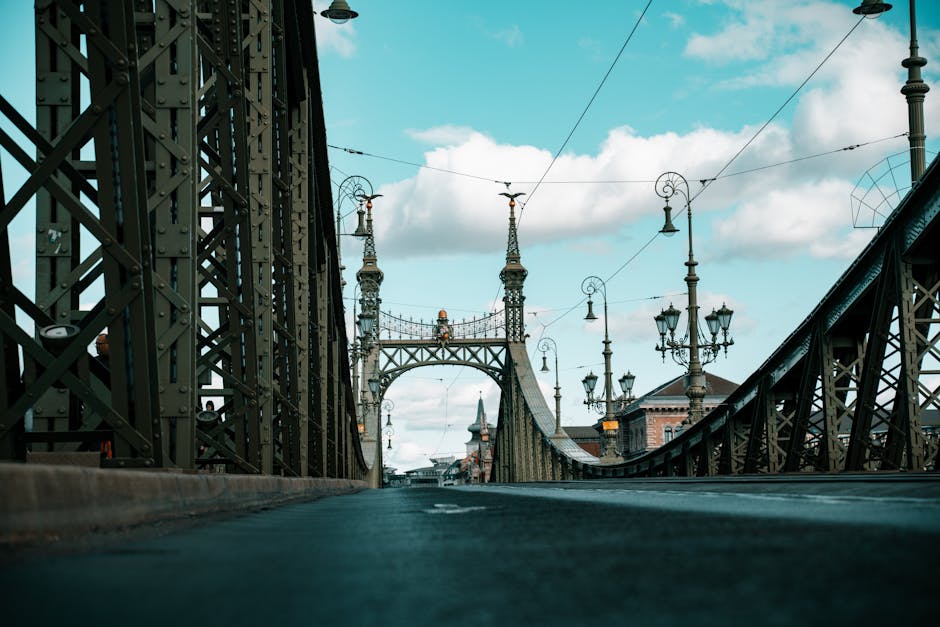
Discover the vibrant street art and legendary ruin bars of District VII on this self-guided walk through Budapest’s most eclectic neighborhood.
 Moderate
Budapest, Hungary
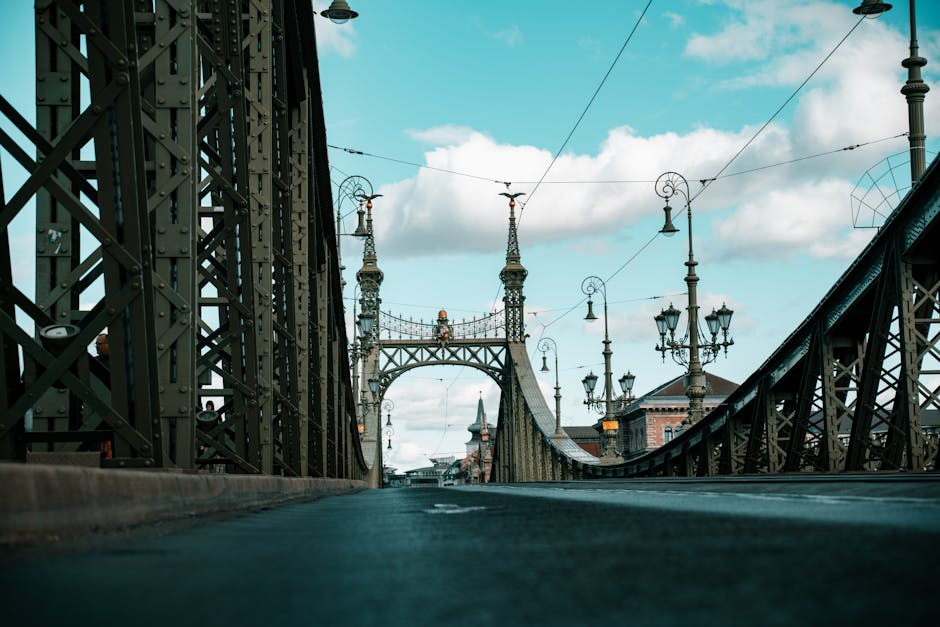
Explore the historic heart of Budapest with this self-guided walk through the Royal Buda Castle district, featuring panoramic views and medieval lore.
 Moderate
Gothenburg, Sweden
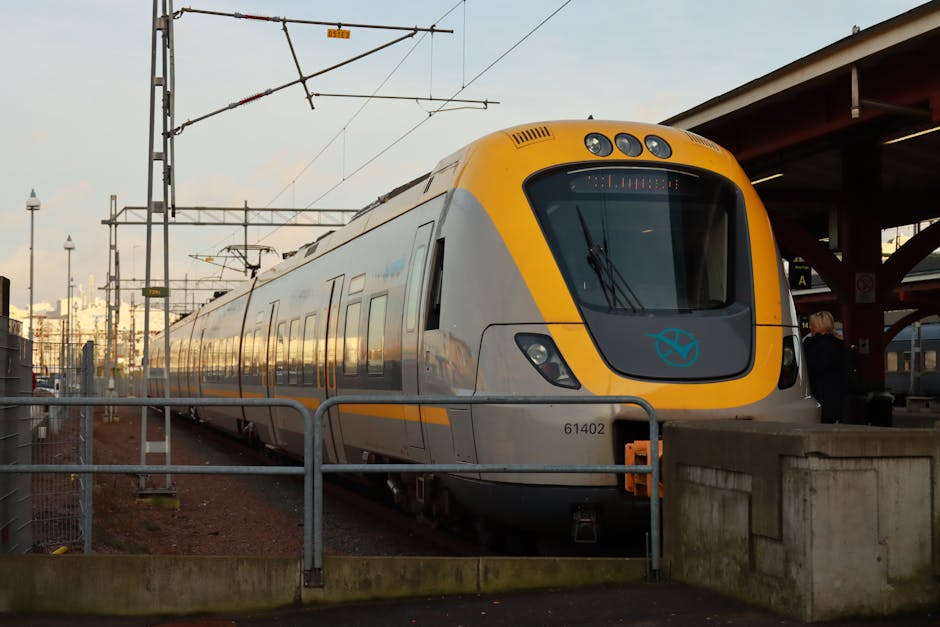
Discover Gothenburg’s maritime soul on this self-guided walk from the historic Central Station to the scenic riverfront at Stenpiren.
 Moderate
Vienna, Austria
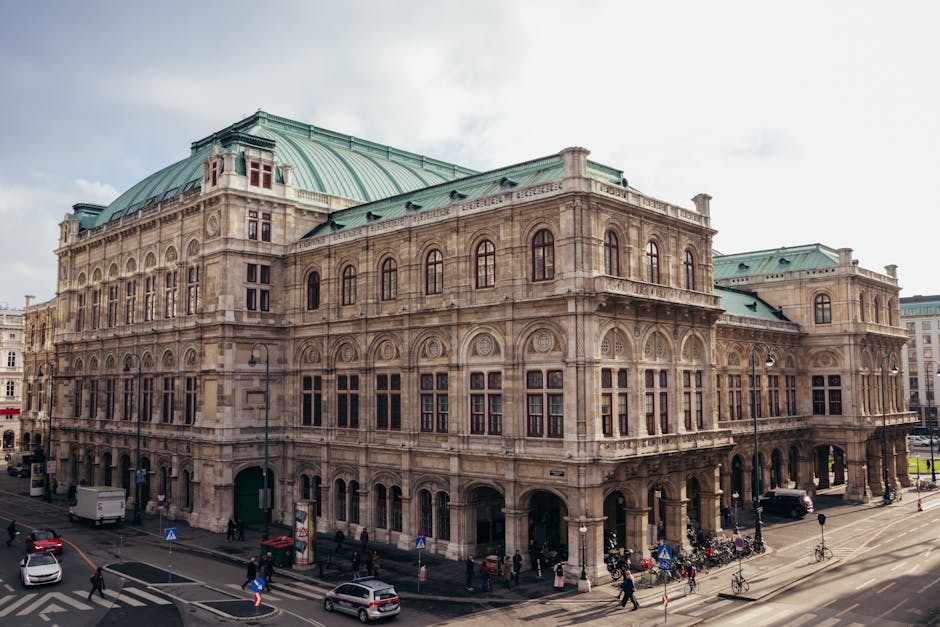
Follow the footsteps of Mozart and Strauss through Vienna’s historic center on this self-guided walk through the city's rich musical history.
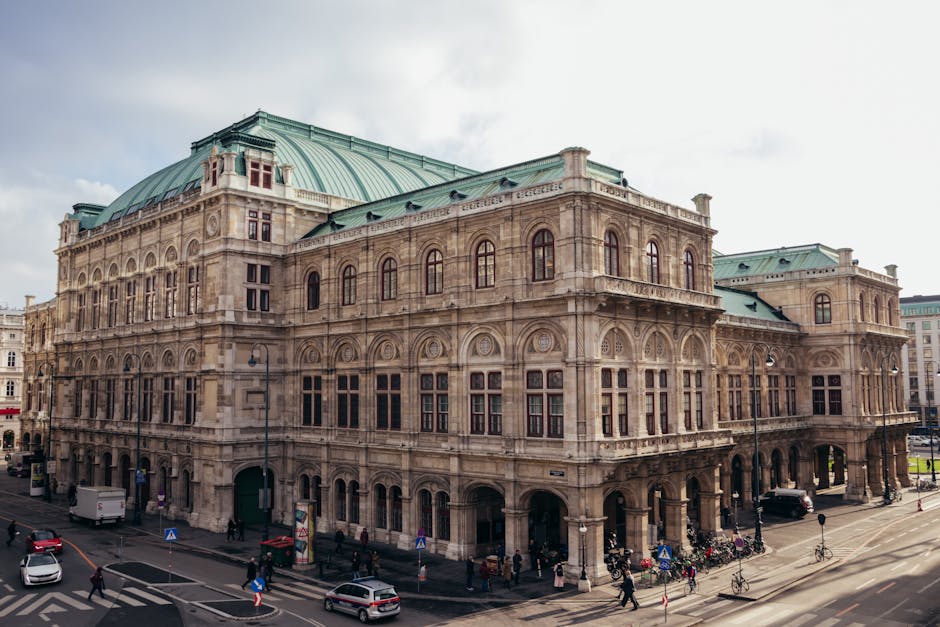 Moderate
Vienna, Austria
Discover the noir world of The Third Man and Cold War Vienna on this atmospheric self-guided audio walk through the historic Innere Stadt.
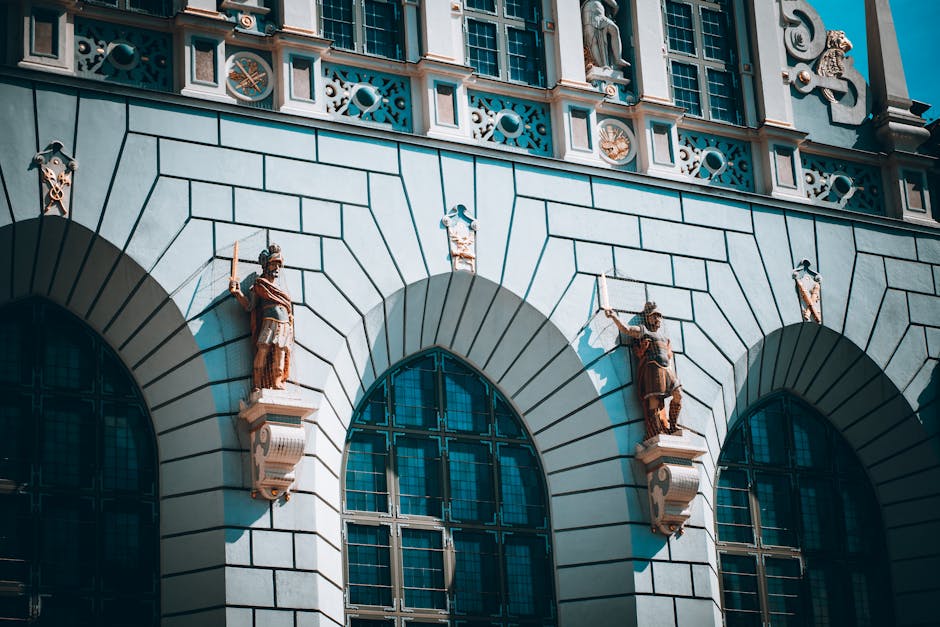 Moderate
Gdansk, Poland
Discover the origins of WWII in Gdansk on this self-guided walk through heroic last stands, massive museums, and strategic hilltop fortifications.