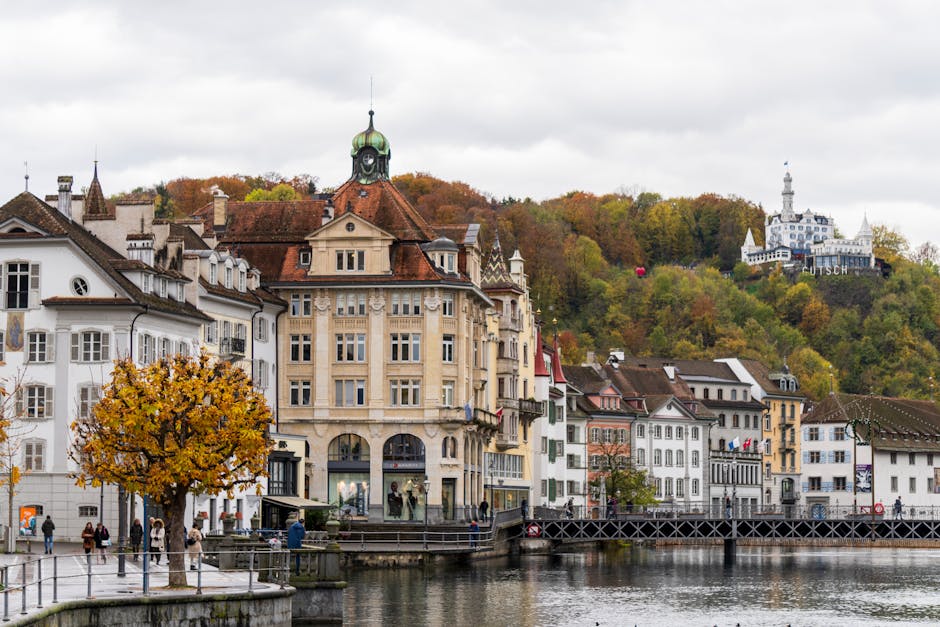
Self-guided audio tour in Lucerne
Start Free on iPhone
Start free on iPhone to unlock this self-guided walking tour in Lucerne. Hear all the stories that make it amazing, walk at your own pace, and begin whenever you want.
Your Private Tour Guide
Step back into the 14th century with this self-guided walk along Lucerne’s Musegg Wall, one of the best-preserved medieval fortifications in Switzerland. This neighborhood stroll takes you away from the bustling lakefront and up into the historic Musegg district, where nine massive towers still stand guard over the city. On this walking route, you will experience the architectural grandeur of a time when Lucerne was a growing power in the Swiss Confederation. The walk offers a unique perspective of the city, blending military history with breathtaking panoramas of Lake Lucerne and the surrounding Alps. This self-guided adventure allows you to explore the ramparts at your own pace, climbing the narrow wooden stairs of the towers and walking along the battlements where sentries once kept watch. You will discover the Zytturm, home to the city's oldest clock, which maintains a centuries-old privilege of striking the hour before all other clocks in town. Unlike a standard walking tour Lucerne visitors might find in the city center, this route emphasizes the rugged stone masonry and the transition from medieval defense to modern preservation. Along the way, you will pass by 'Hinter Musegg,' a surprising organic farm located right behind the walls, offering a peaceful rural contrast to the stone structures. The highlight for many is the Männliturm, where an iron soldier stands atop the roof, and the views extend from the Reuss river to the peaks of Mount Pilatus. This walking tour Lucerne experience is perfect for history enthusiasts and photographers looking for the iconic 'Lucerne skyline' shot. Whether you are interested in the engineering of medieval watchtowers or simply want a quiet escape with a view, this audio walk provides the context and stories needed to bring these silent stones to life.
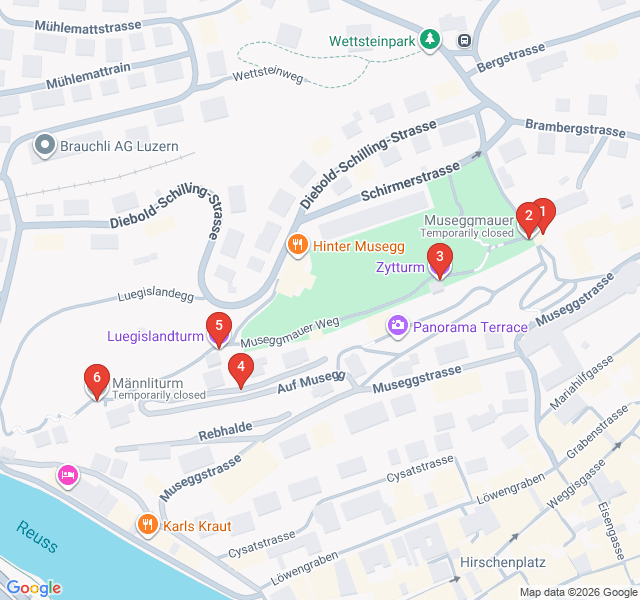
Numbers indicate the order of stops on the tour.
Welcome to the Schirmerturm, the primary gateway into the Musegg wall system. Built in 1420, this tower served as a transition point between the city and the countryside. Unlike the taller watchtowers, this was a gate tower. Notice the thick stone walls and the narrow slits designed for archers. If you choose to climb the stairs here, you will emerge onto the rampart path. The name 'Schirmer' implies protection or shelter, fitting for a structure meant to shield the city's northern flank. From here, you can see how the wall begins its ascent along the ridge, framing the historic core of Lucerne.
You are now walking along the Museggmauer itself. This 800-meter-long wall was part of the city’s second ring of fortifications, completed around 1408. As you walk the battlements, look toward the city to see the contrast between the medieval layout and modern Lucerne. The wall isn't just a relic; it's a vital habitat for endangered birds and bats that live in the crevices of the ancient masonry. This stretch of the wall highlights the strategic importance of the Musegg hill, providing a high vantage point to spot approaching threats from the north long before they reached the river.
The Zytturm, or 'Time Tower,' is perhaps the most famous of the nine towers. It houses the oldest clock in Lucerne, built by Hans Luter in 1535. Look up at the dial; it is so large that it could be read by fishermen on the lake. Because of the clock's historical importance, it has the 'Right of First Strike,' meaning it rings the hour exactly one minute before all other church clocks in the city. Inside, you can often see the massive weights and wooden gears of the historic mechanism still in operation, a testament to Swiss precision engineering that predates the modern watch industry.
Take a moment to look behind the wall toward the north. This area, known as Hinter Musegg, is a surprising piece of rural life in the heart of the city. This organic farm maintains the 'green belt' that has existed here for centuries. You might see Highland cattle or goats grazing just meters away from the medieval stone. This space reminds us that for most of its history, Lucerne was a compact walled city surrounded by farmland. The preservation of this field is a deliberate choice by the city to keep its history and nature intertwined.
The Luegislandturm is the tallest of the towers and its name literally translates to 'Look into the land.' It was built even before the current wall, around 1367, as a standalone watchtower. Its pointed roof and height made it the perfect lookout post for spotting fires within the city or approaching armies in the distance. While the interior is not always open to the public, its silhouette is a key part of the Lucerne skyline. It served as a vital link in the defensive chain, ensuring that the city was never caught by surprise.
Our final stop is the Männliturm, named after the 'little man' (Männli), an iron figure of a soldier holding a flag that stands on its roof. This tower is located at the western end of the wall, where the fortifications descend toward the Reuss river. Climbing to the top offers what many consider the best view in Lucerne. From here, you can track the path of the river, see the Chapel Bridge in the distance, and look directly across at the peaks of Mount Pilatus. It is the perfect place to reflect on the strength and endurance of these medieval defenses.
Start Free on iPhone
Explore “Medieval Walls and Watchtowers” with your very own Private Tour Guide with Zigway. Start free on iPhone, skip the large group and the fixed routes, and hear the city come alive as you go.
Your Private Tour Guide
Don't miss the good stuff
Explore Freely
 Easy
EasyLucerne, Switzerland
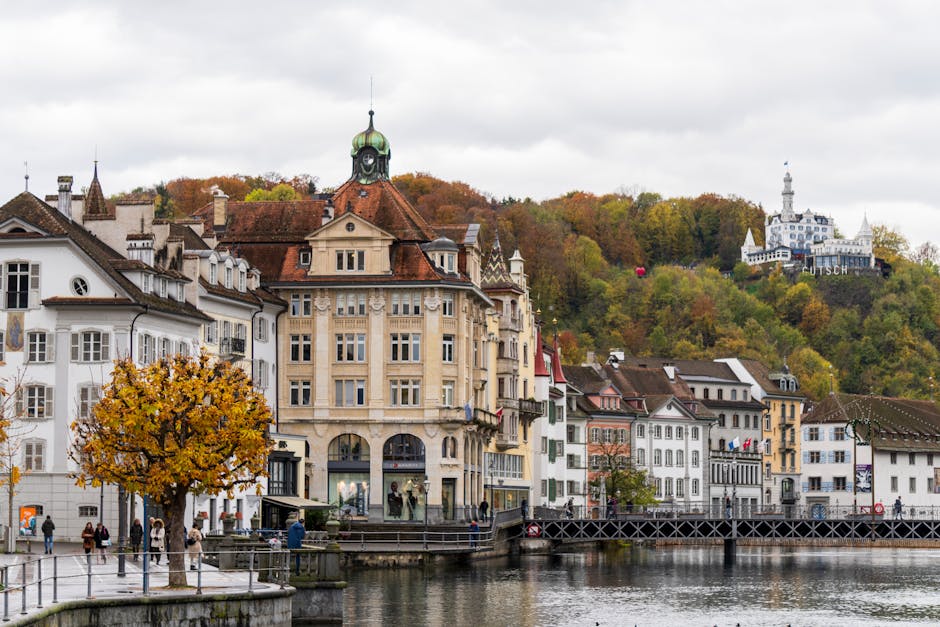
Discover Lucerne's creative soul. Explore the trendy Neustadt district featuring repurposed cultural hubs, indie boutiques, and local nightlife.
 Easy
EasyLucerne, Switzerland
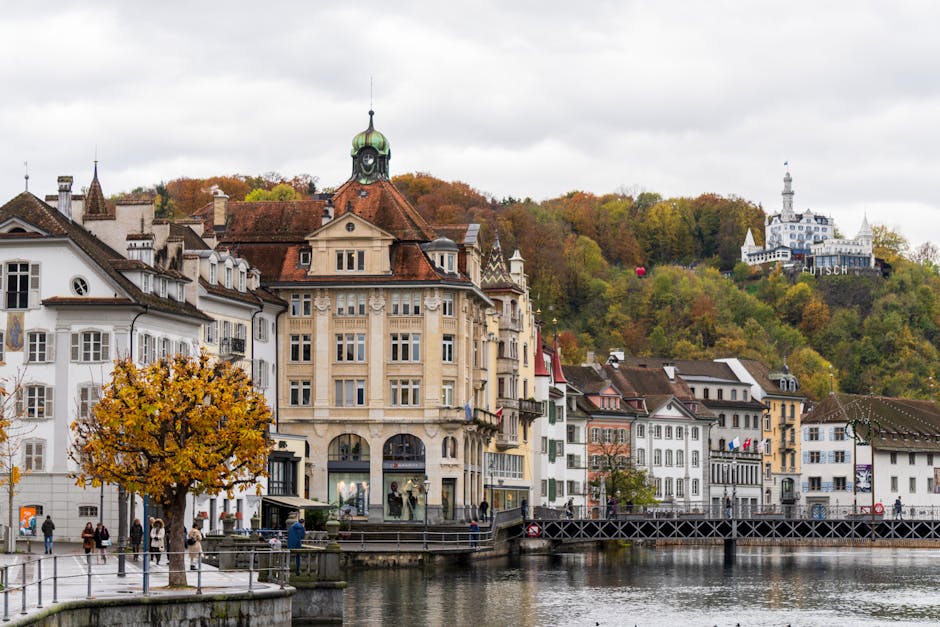
Uncover the emotional history and ancient wonders of Lucerne on this self-guided walk through the Lion Monument and the prehistoric Glacier Garden.
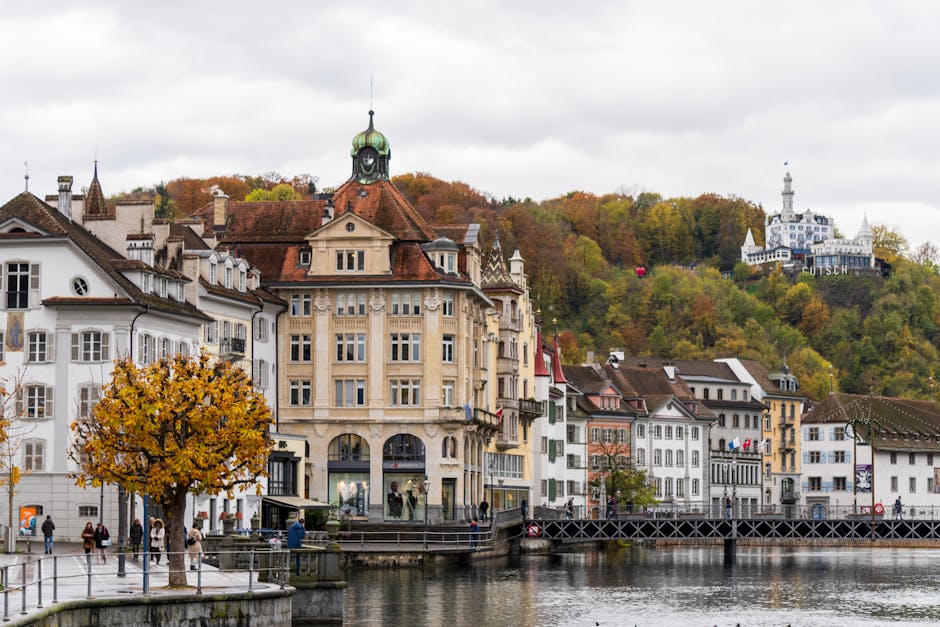 Easy
EasyLucerne, Switzerland
Explore Lucerne's sacred history on this self-guided audio walk through stunning cathedrals and historic chapels.
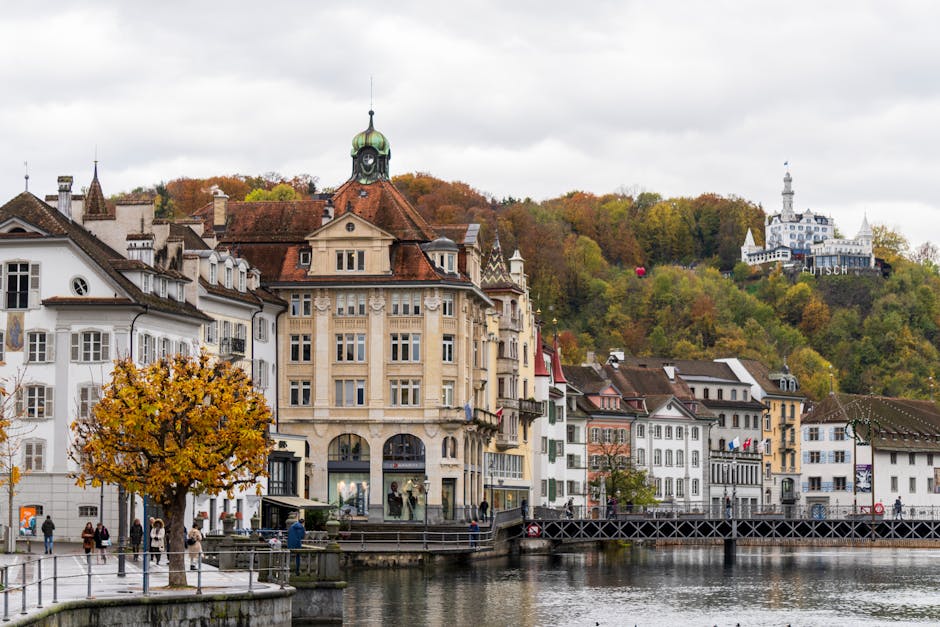 Easy
EasyLucerne, Switzerland
Discover Lucerne's nocturnal side on this self-guided walk from historic riverside breweries to panoramic rooftop bars and hidden underground clubs.
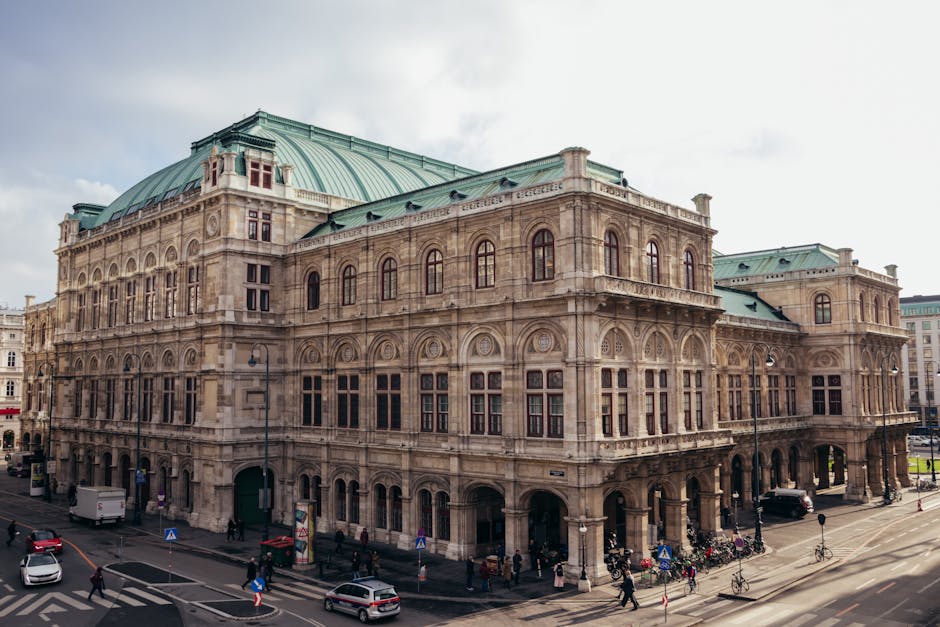 Moderate
Vienna, Austria
Discover the noir world of The Third Man and Cold War Vienna on this atmospheric self-guided audio walk through the historic Innere Stadt.
 Easy
EasyGothenburg, Sweden
Explore Gothenburg’s historic wooden houses, legendary giant cinnamon buns, and panoramic fortress views on this self-guided neighborhood stroll.
 Easy
EasyNairobi, Kenya
Discover Nairobi's iconic skyline on this self-guided architecture walk through the CBD’s most famous modernist and Brutalist landmarks.
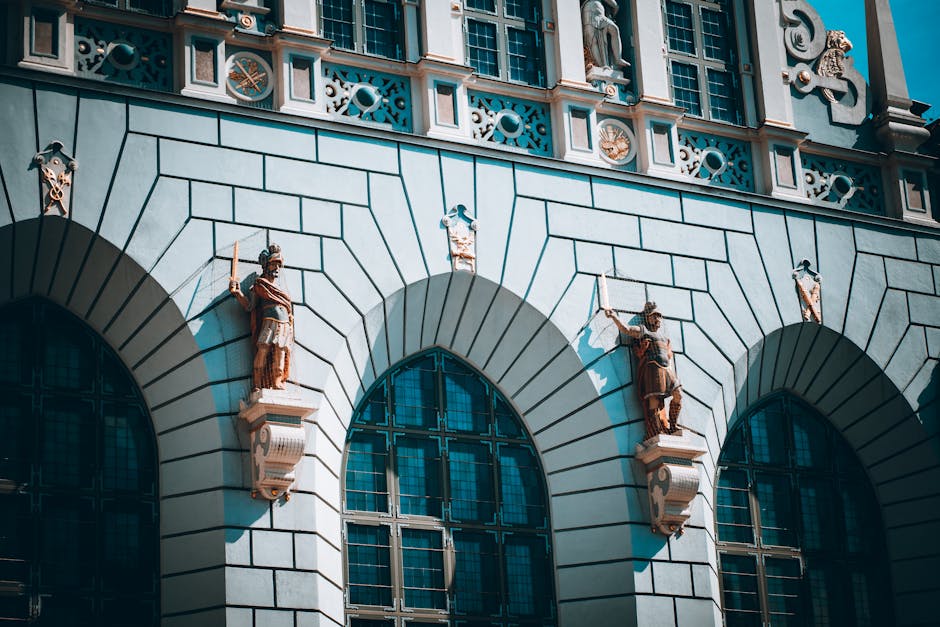 Easy
EasyGdansk, Poland
Discover the opulent Royal Way of Gdansk at your own pace. Explore Hanseatic history, gilded architecture, and the iconic Neptune's Fountain.
 Easy
EasyGeneva, Switzerland
Explore Geneva's bohemian heart on this self-guided walk through flea markets, contemporary art galleries, and literary landmarks.
 Easy
EasyGeneva, Switzerland
Discover the lives of Rousseau and Voltaire on this self-guided literary walking route through the historic heart of Enlightenment-era Geneva.
 Moderate
Geneva, Switzerland
Uncover Geneva’s secrets on this self-guided walk through the Old Town’s historic streets, from the Reformation Wall to medieval cathedrals.
 Easy
EasyGeneva, Switzerland
Discover the Mediterranean soul of Geneva. Explore Carouge’s Sardinian architecture, artisan workshops, and hidden gardens on this self-guided walk.