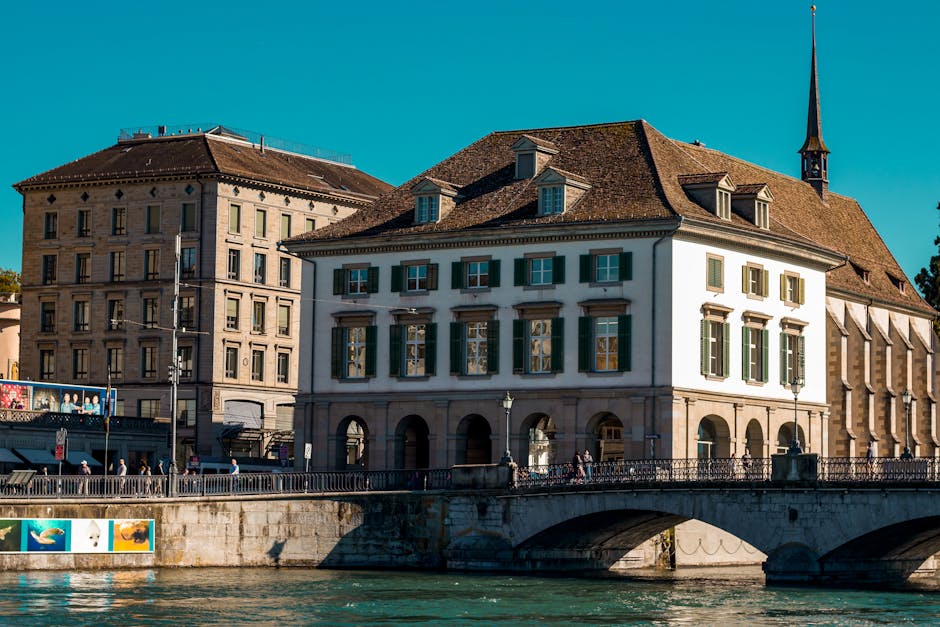
Self-guided audio tour in Zurich
Start Free on iPhone
Start free on iPhone to unlock this self-guided walking tour in Zurich. Hear all the stories that make it amazing, walk at your own pace, and begin whenever you want.
Your Private Tour Guide
Discover the refined charm of Zurich's gold coast on this self-guided walk through the Seefeld neighborhood. This route invites you to transition from the grand, bustling city squares to the serene, artistic landscapes that line the shores of Lake Zurich. As you follow the lakeside promenade, you will experience a unique blend of high culture, modernist architecture, and tranquil greenery. This area, known for its prestige and elegance, offers some of the most stunning views of the Glarus Alps across the shimmering water. This neighborhood stroll captures the essence of Zurich’s high quality of life, taking you past historic institutions and hidden artistic treasures. The journey begins at the expansive Sechseläutenplatz, the city's largest square, where tradition meets modern urban design. From here, the route guides you past the majestic Opera House, a beacon of Neo-Baroque splendor. As you move further south into Seefeld, the atmosphere shifts from urban grandeur to parkland peace. You will encounter the Pavillon Le Corbusier, a kaleidoscopic masterpiece of 20th-century architecture that stands as the final work of the legendary Swiss-French architect. Nearby, the Chinagarten offers a moment of Zen-like reflection, showcasing traditional craftsmanship gifted to Zurich by its partner city, Kunming. The walk concludes at the Zürichhorn, a lush delta where locals gather to enjoy the sun and public art. This walking route is perfect for those who want to explore Zurich at their own pace, away from the frantic pace of the Bahnhofstrasse, while still enjoying the architectural and natural highlights that make this city so iconic. Whether you are a fan of modernist design, a lover of botanical gardens, or simply looking for a peaceful lakeside escape, this self-guided adventure provides the perfect introduction to Zurich’s most sophisticated district.
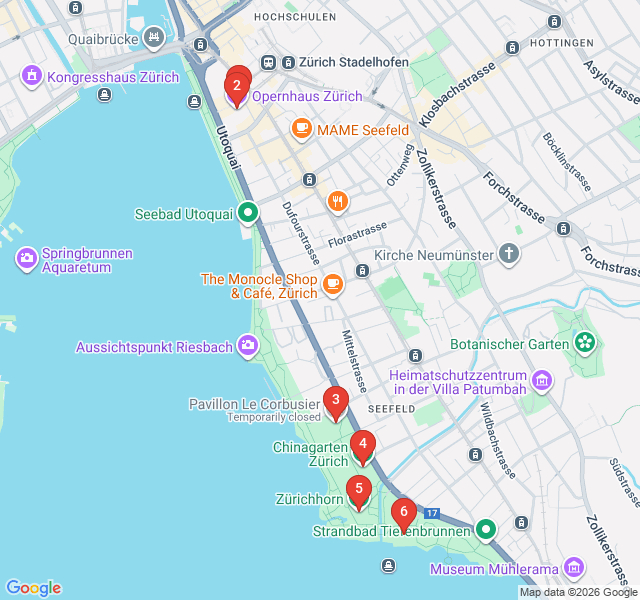
Numbers indicate the order of stops on the tour.
Welcome to Sechseläutenplatz, the largest town square in Switzerland. This vast open space, paved with Valser quartzite, serves as the city's living room. Historically, this site has been the heart of Zurich’s most famous tradition: the Sechseläuten spring festival. Every April, a giant snowman called the 'Böögg' is placed atop a bonfire here; the faster his head explodes, the better the summer is predicted to be. Take a moment to appreciate the scale of the square, which connects the busy city center with the lake. The modern design we see today was completed in 2014, creating a seamless transition between the urban fabric and the water. It is a place of constant motion, where locals meet before a show or simply enjoy the sun.
Standing proudly at the edge of the square is the Zürich Opera House. Opened in 1891, this Neo-Baroque jewel was built after the previous theater burned down. If you look closely at the facade, you can see busts of famous cultural figures like Shakespeare, Mozart, and Wagner. It was the first opera house in Europe to have electric lighting, a testament to Zurich’s forward-thinking nature even in the 19th century. Despite its relatively small size—seating only about 1,100 people—it is world-renowned for its high-quality productions and has seen many famous premieres. The building’s white and grey stone contrasts beautifully with the blue of the lake just steps away, making it one of the most photographed buildings in the city.
As you continue along the lake, you will reach a striking structure of glass, steel, and brightly colored panels. This is the Pavillon Le Corbusier, the final building designed by the legendary architect before his death in 1965. Unlike most of his famous concrete works, this structure is a 'Gesamtkunstwerk'—a total work of art—made entirely of prefabricated steel and glass elements. The primary colors—red, yellow, blue, white, and black—are classic Le Corbusier. It was commissioned by Heidi Weber, a gallery owner who wanted a space to showcase the architect's art. Today, it serves as a museum dedicated to his legacy. Its playful geometry and radical design remain a stark, beautiful contrast to the surrounding parkland.
A short walk further brings you to a sudden change in scenery. The Chinagarten, or Chinese Garden, is a gift from Zurich's Chinese sister city, Kunming, as a thank you for technical assistance with Zurich's water supply. This is a 'temple garden' and is considered one of the highest-ranking gardens outside of China. It is centered around a pond and features a small island, pavilions, and a winding gallery. The garden is dedicated to the 'Three Friends of Winter'—pine, bamboo, and plum blossoms—which represent perseverance and strength in adverse conditions. The intricate woodwork, red pillars, and golden roof tiles offer a vibrant, meditative pocket of culture right on the shores of Lake Zurich.
You are now at the Zürichhorn, a large park area that marks a delta formed by the Hornbach stream. This has been a public park since the late 19th century and is a favorite spot for locals to picnic, swim, and stroll. Keep an eye out for the 'Heureka' sculpture by Jean Tinguely. This massive, kinetic iron sculpture looks like a complex, nonsensical machine—a commentary on the industrial age. The park also hosts an outdoor cinema in the summer. The Zürichhorn represents the democratic spirit of the city; here, the lakefront belongs to everyone. It’s the perfect place to sit on the grass and watch the historic paddle steamers glide across the water toward the city center.
The final stop on our promenade is the Lake Side complex. This modern venue represents the contemporary side of Seefeld’s elegance. With its expansive terraces and glass walls, it offers an unobstructed view of the lake and the distant mountains. It’s a popular spot for everything from business lunches to elegant evening cocktails. This area marks the end of the formal parkland and the beginning of the more residential part of Seefeld. Reflect on your walk here; you’ve moved from the historic heart of the city through modernist art and oriental gardens to this peaceful delta. From here, you can choose to walk back along the water or take a ferry for a different perspective of the shoreline.
Start Free on iPhone
Explore “Lakeside Elegance: A Seefeld Promenade” with your very own Private Tour Guide with Zigway. Start free on iPhone, skip the large group and the fixed routes, and hear the city come alive as you go.
Your Private Tour Guide
Don't miss the good stuff
Explore Freely
 Moderate
Zurich, Switzerland
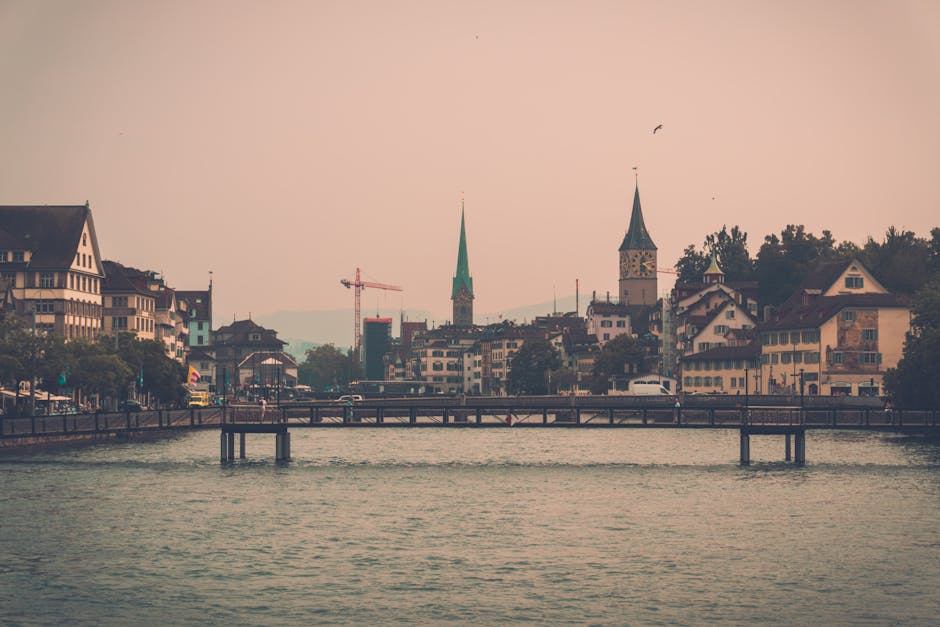
Follow the footsteps of Einstein and James Joyce on a self-guided walk through Zurich's intellectual and literary heart.
 Easy
EasyZurich, Switzerland
Explore Zurich's edgy side on this self-guided walk through Langstrasse, from red-light history to contemporary art and vibrant nightlife.
 Moderate
Zurich, Switzerland
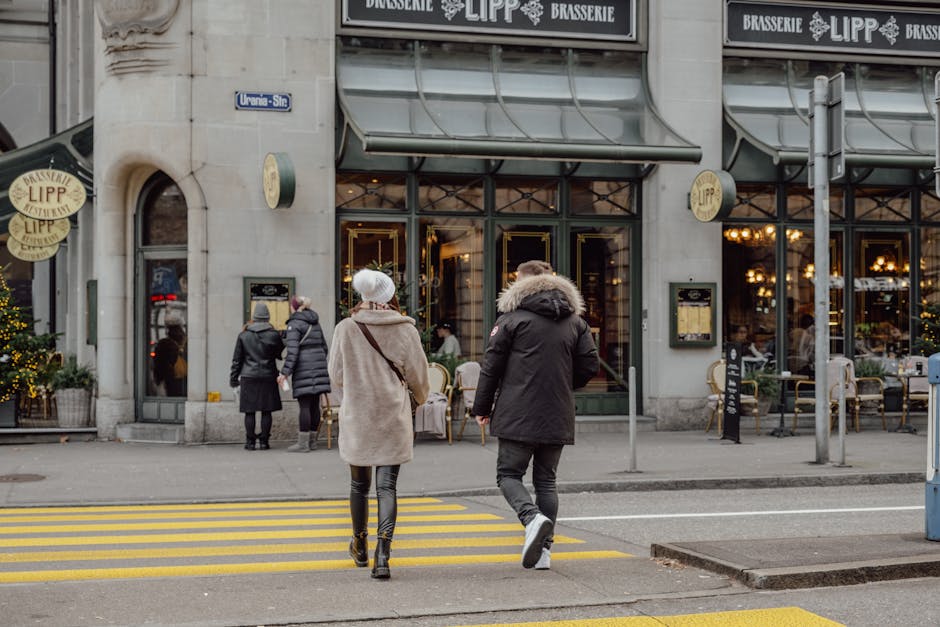
Explore Zurich's most breathtaking panoramas and hidden photography spots on this self-guided walking route through the historic city center.
 Easy
EasyZurich, Switzerland
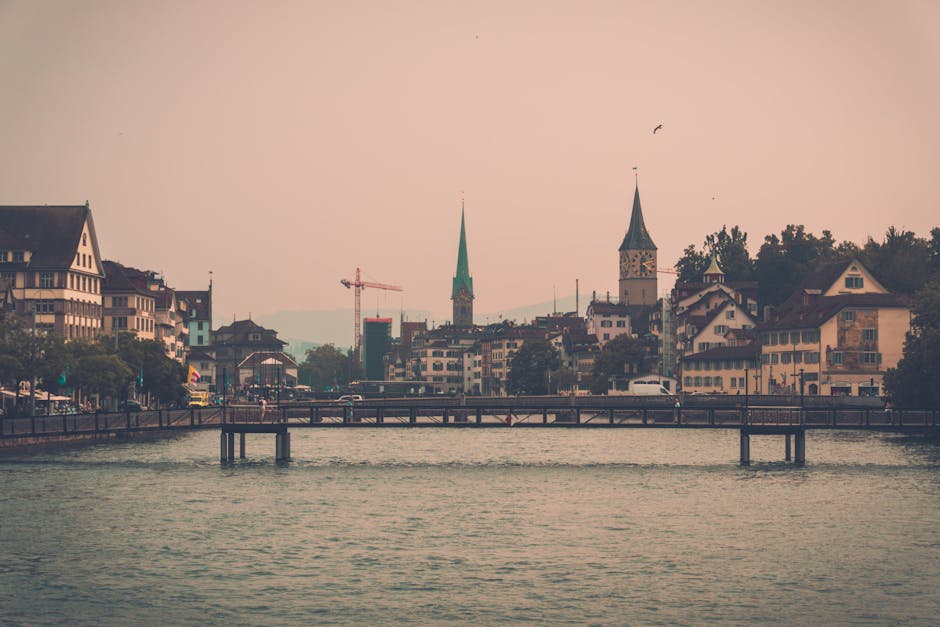
Discover Zurich's medieval heart, from Dadaist rebels to Reformation history, on this atmospheric self-guided audio walk through the Altstadt.
 Easy
EasyGdansk, Poland
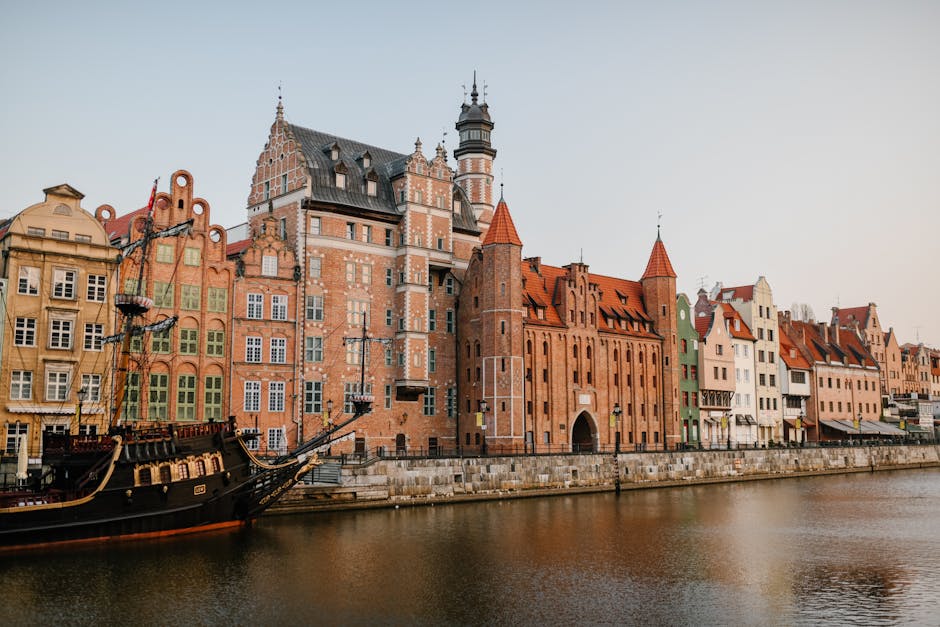
Discover the monastic heritage, world-famous organs, and lush botanical gardens of Oliwa on this peaceful self-guided neighborhood stroll.
 Easy
EasyGdansk, Poland
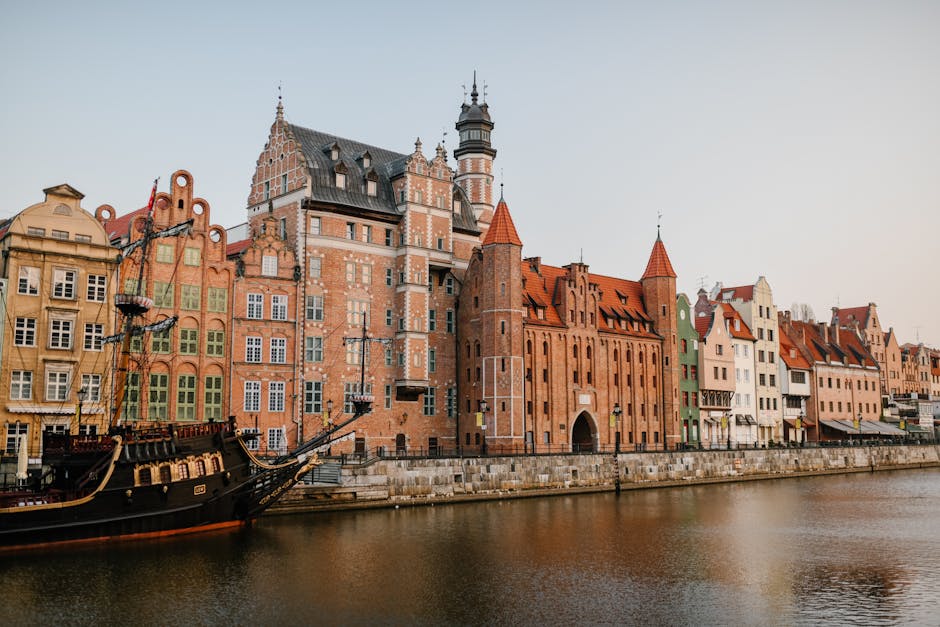
Discover the 'Baltic Gold' on this self-guided walk through Gdansk's historic mills, massive cathedrals, and the magical Mariacka Street.
 Easy
EasyWarsaw, Poland
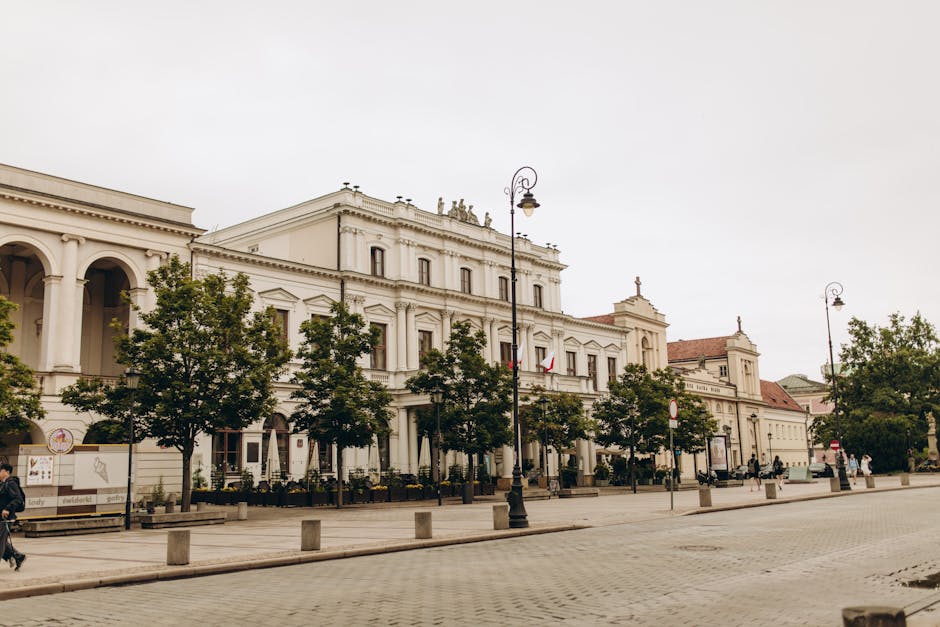
Explore Warsaw's scenic riverfront, rooftop gardens, and industrial-chic architecture on this self-guided stroll through the Powiśle district.
 Easy
EasyHelsinki, Finland
Discover Helsinki's oldest neighborhood on this self-guided audio walk through Kruununhaka’s historic streets, hidden courtyards, and scenic shores.
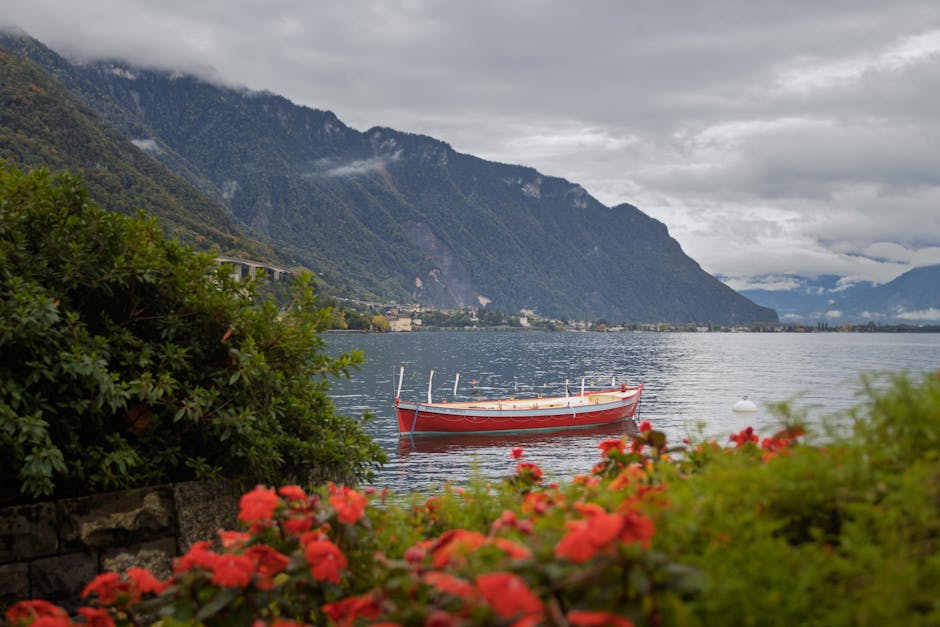 Easy
EasyGeneva, Switzerland
Explore Geneva's bohemian heart on this self-guided walk through flea markets, contemporary art galleries, and literary landmarks.
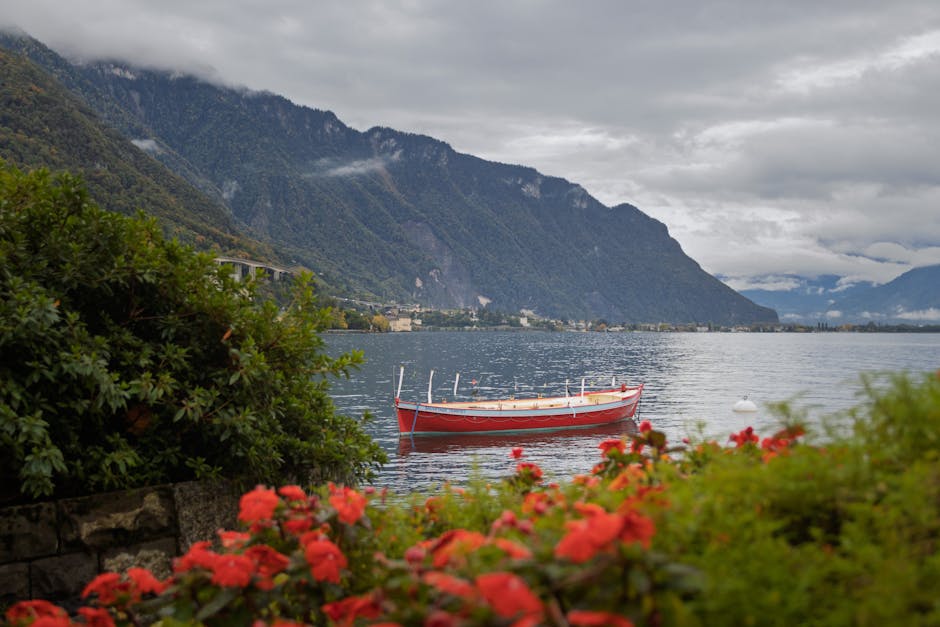 Easy
EasyGeneva, Switzerland
Discover the lives of Rousseau and Voltaire on this self-guided literary walking route through the historic heart of Enlightenment-era Geneva.
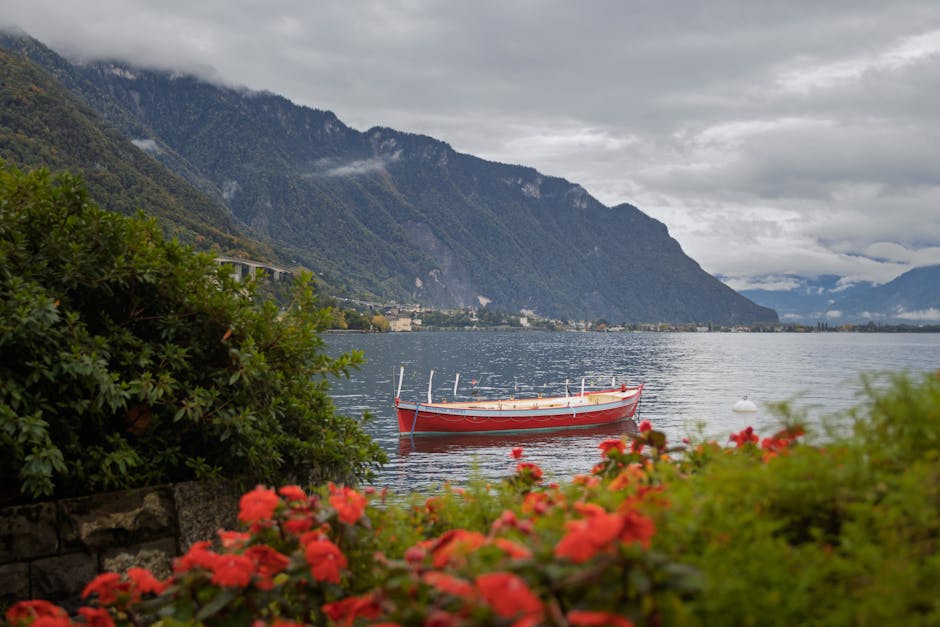 Moderate
Geneva, Switzerland
Uncover Geneva’s secrets on this self-guided walk through the Old Town’s historic streets, from the Reformation Wall to medieval cathedrals.
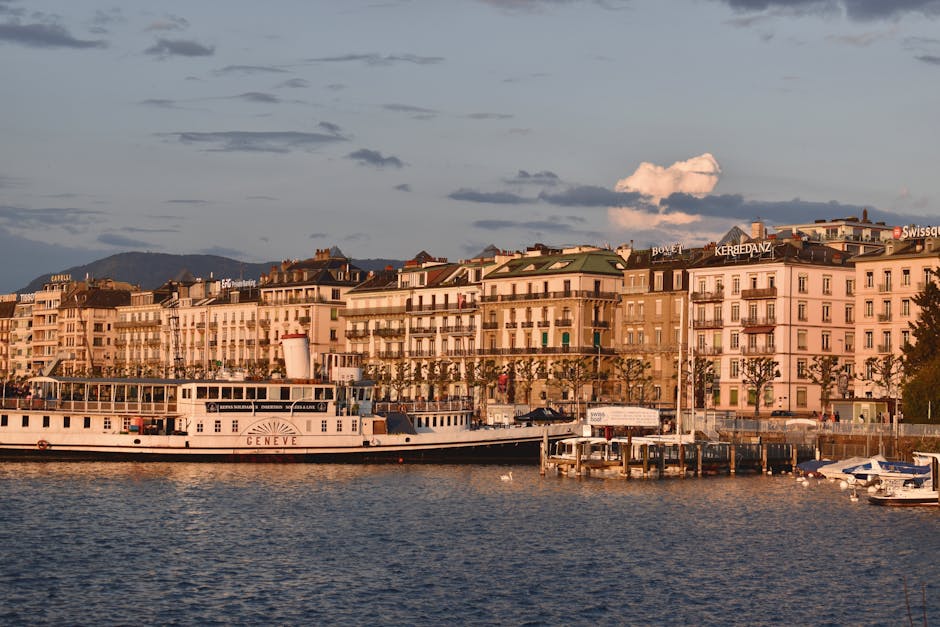 Easy
EasyGeneva, Switzerland
Discover the Mediterranean soul of Geneva. Explore Carouge’s Sardinian architecture, artisan workshops, and hidden gardens on this self-guided walk.