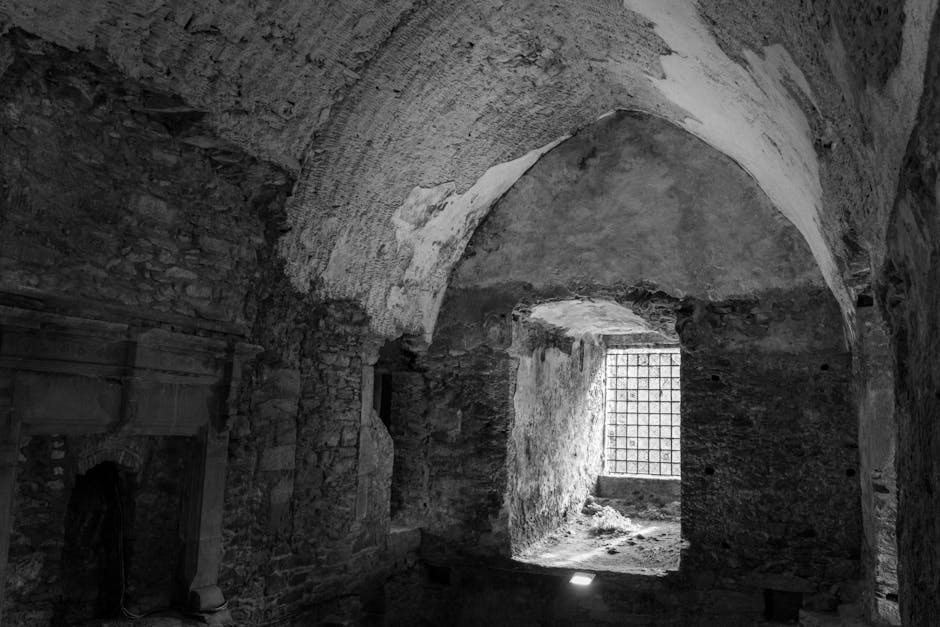
Self-guided audio tour in Cork
Start Free on iPhone
Start free on iPhone to unlock this self-guided walking tour in Cork. Hear all the stories that make it amazing, walk at your own pace, and begin whenever you want.
Your Private Tour Guide
Step into the heart of Cork’s liquid history and medieval foundations with this self-guided walking route through The Marsh. Long before the city became a bustling merchant hub, it was a network of marshy islands divided by the River Lee. This neighborhood stroll invites you to explore the very ground where the city was born, moving from the scenic river crossings into the narrow streets that still follow the lines of the original medieval walls. You will discover how Cork transformed from a monastic settlement and Viking stronghold into a powerhouse of the brewing industry. This walking route Cork highlights the dramatic evolution of the city's architecture. You will encounter the striking Tudor-fronted Counting House, a monument to the Beamish & Crawford brewing legacy, and the ancient site of St. Peter's, which has stood as a place of worship and community for over seven centuries. Along the way, the path leads through Bishop Lucey Park, where the remnants of the old city walls are still visible, offering a tangible link to the 13th-century fortifications. It is an ideal way to travel through time without leaving the city center. Whether you are a fan of industrial heritage or curious about hidden-gems tucked away in plain sight, this audio walk provides a deep dive into the stories that shaped the 'Rebel City.' From the quiet sanctuary of the Unitarian Church to the vibrant cultural hub of the Triskel Arts Centre, the route captures the unique spirit of Cork. Exploring independently allows you to linger at the river's edge or spend extra time admiring the intricate stonework of the medieval island at your own pace. This history-rich journey is perfect for those who want to understand the layers of urban development that define modern Cork.
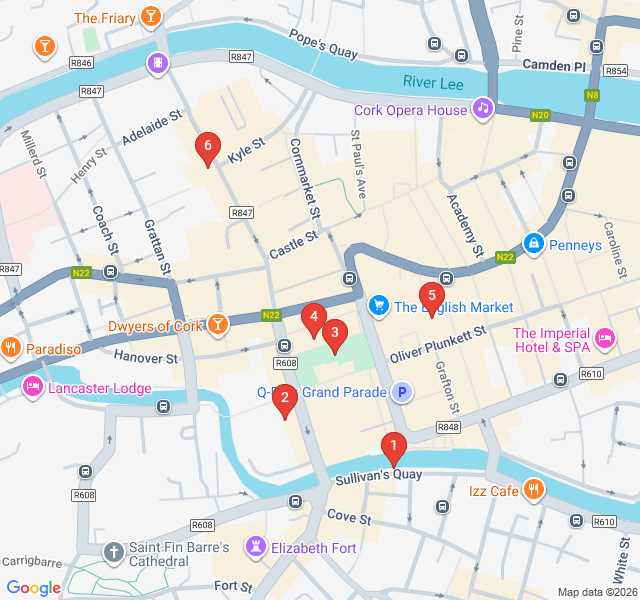
Numbers indicate the order of stops on the tour.
Start your self-guided adventure at Nano Nagle Bridge, a modern span with deep historical roots. Named after the 'Lady of the Lantern' who founded the Presentation Sisters and dedicated her life to educating the poor, this bridge offers a perfect vantage point over the River Lee’s South Channel. Look toward the city and imagine the marshy archipelago that once existed here. The river was the lifeblood of Cork, used for trade, transport, and even defense. This spot marks the transition from the southern suburbs into the medieval heart of the city, setting the stage for a journey through centuries of urban evolution.
Standing before the striking half-timbered facade of the Counting House, you are looking at the site of one of Ireland's most famous industries. Established in 1792, the Beamish & Crawford brewery was once the largest in the country. The Tudor-style architecture of this building is a rare sight in Cork and serves as a grand entrance to what was a massive industrial complex. Brewing was central to Cork’s economy for centuries, and while the vats are gone, the site has been meticulously restored to blend its industrial heritage with modern urban life. Notice the intricate woodwork and the clock that has kept time for generations of brewery workers.
Enter Bishop Lucey Park, a green oasis that hides a medieval secret. Created in 1985 to celebrate the city’s 800th anniversary, the park contains the most significant remaining stretch of Cork’s medieval city walls. As you walk through, look for the exposed limestone fortifications. These walls once protected the inhabitants of the medieval island from invaders and the rising tides of the River Lee. The park is a favorite local spot to pause and reflect, surrounded by sculptures and the quiet rustle of trees, right in the middle of the busy shopping district. It represents the literal 'layering' of Cork’s history.
The Triskel Arts Centre is a magnificent example of how Cork breathes new life into old spaces. It is housed within the former Christchurch, an 18th-century neoclassical building that sits on a site where churches have stood since the 11th century. Legend has it that the famous poet Edmund Spenser was married in an earlier version of the church on this very spot. Today, the interior retains its stunning ecclesiastical features—high ceilings, ornate pillars, and stained glass—but now serves as a cinema, concert hall, and gallery. It is a cornerstone of Cork's cultural scene, where medieval foundations meet contemporary creativity.
Tucked away on Princes Street, this modest building is one of Cork’s true hidden-gems. The Unitarian Church has a history of dissent and intellectual freedom, dating back to the early 18th century. Unlike the grand cathedrals, this church is known for its simplicity and welcoming atmosphere. Its presence here is a reminder of the religious diversity that flourished in the merchant city. The interior is noted for its excellent acoustics and peaceful vibe, often hosting intimate concerts. It stands as a quiet testament to the non-conformist spirit that has always been a part of the 'Rebel City' identity.
Conclude your neighborhood stroll at St. Peter's on North Main Street. This site is home to the oldest church foundation in Cork, with records dating back to 1270. While the current building mostly dates from the 1700s, the atmosphere of the medieval 'North Gate' area is palpable here. St. Peter's now operates as a cultural and community center, hosting exhibitions that delve into Cork's social and political history. As you stand on North Main Street, you are on the original spine of the medieval city, where the first merchants traded and the city's identity was forged over seven hundred years ago.
Start Free on iPhone
Explore “The Marsh and Medieval Island” with your very own Private Tour Guide with Zigway. Start free on iPhone, skip the large group and the fixed routes, and hear the city come alive as you go.
Your Private Tour Guide
Don't miss the good stuff
Explore Freely
 Easy
EasyCork, Ireland
Explore the architectural evolution of Cork on this self-guided walk across the iconic bridges of the River Lee's North and South channels.
 Easy
EasyCork, Ireland
Discover Cork’s literary heart on this self-guided walk through historic libraries, iconic bookshops, and academic landmarks.
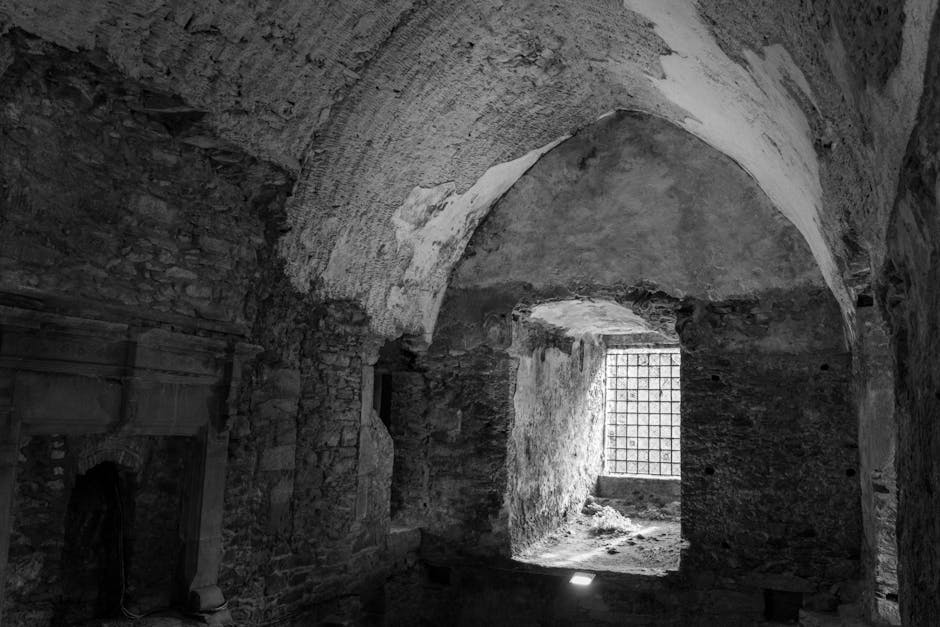 Easy
EasyCork, Ireland
Explore the scenic River Lee, the iconic Shakey Bridge, and the historic Gothic architecture of University College Cork on this peaceful stroll.
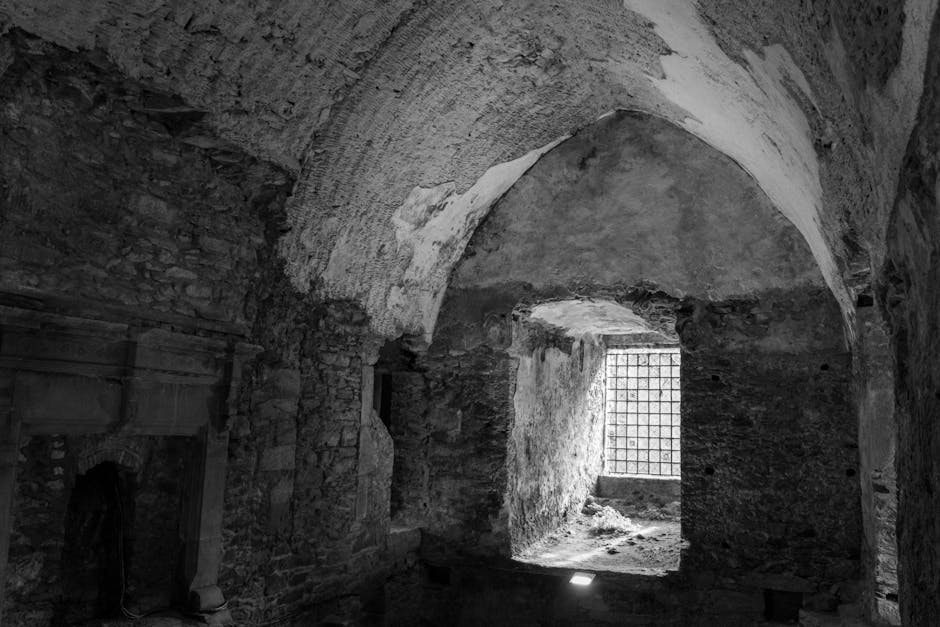 Easy
EasyCork, Ireland
Explore Cork's vibrant urban gallery with this self-guided walk through the Ardú Street Art Trail's massive murals.
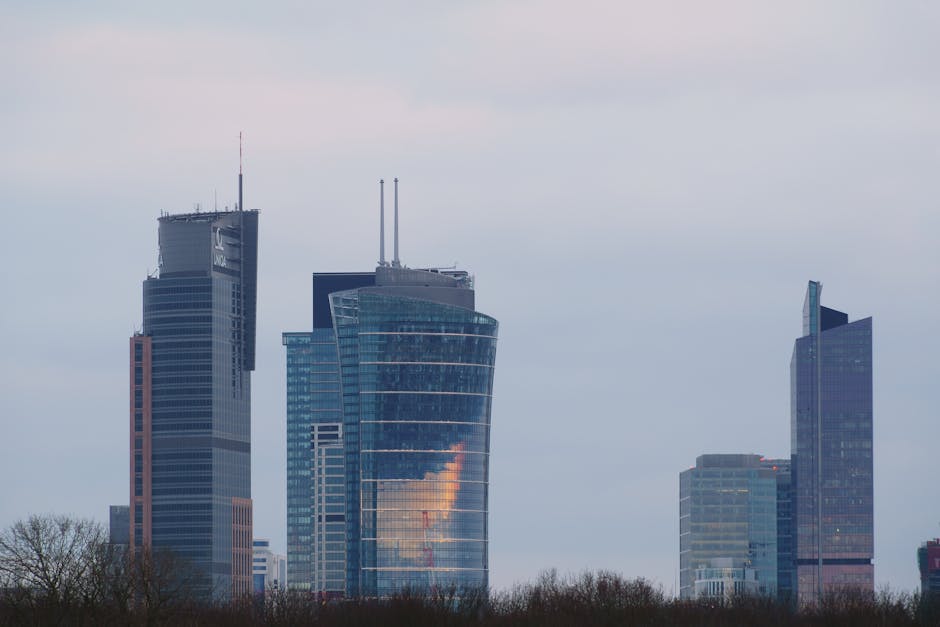 Easy
EasyWarsaw, Poland
Discover the hidden courtyards and grand pre-war architecture of Warsaw's most atmospheric neighborhood on this self-guided stroll.
 Easy
EasyNairobi, Kenya
Discover Nairobi’s literary soul on this self-guided walk through historic libraries, iconic bookshops, and cultural centers in the heart of the CBD.
 Easy
EasyKrakow, Poland
Explore the prestigious Jagiellonian University district, featuring Neo-Gothic architecture, Baroque churches, and Krakow's hidden scholarly gems.
 Easy
EasyKrakow, Poland
Explore the historic heart of Kazimierz on this self-guided walk through synagogues, ancient cemeteries, and vibrant squares.
 Easy
EasyDublin, Ireland
Explore Dublin's 'Silicon Docks' on this self-guided walk featuring futuristic bridges, famine history, and world-class modern architecture.
 Moderate
Dublin, Ireland
Uncover Dublin’s macabre history on this self-guided walk featuring mummies, medieval rebels, and the city’s most infamous legends.
 Moderate
Dublin, Ireland
Discover Dublin's poetic waterways and modern docks on this self-guided walk through leafy canals and glass-fronted tech hubs.
 Easy
EasyDublin, Ireland
Explore Dublin's storied streets at your own pace on this self-guided literary walk, from Joyce’s statues to Wilde’s colorful memorial.