Self-guided audio tour in Porto
Start Free on iPhone
Start free on iPhone to unlock this self-guided walking tour in Porto. Hear all the stories that make it amazing, walk at your own pace, and begin whenever you want.
Your Private Tour Guide
Escape the bustling Ribeira district for the serene shores where the Douro River finally surrenders to the Atlantic Ocean. This self-guided walk through Foz do Douro reveals a side of Porto defined by salty breezes, aristocratic mansions, and rugged coastal beauty. Known historically as a retreat for the city's elite, this neighborhood offers a sophisticated yet wild atmosphere that contrasts sharply with the narrow, medieval alleys of the city center. This walking route invites you to discover the evolution of Porto's maritime identity, from its religious roots to its defensive fortifications and romantic 19th-century gardens. Your neighborhood stroll begins at the historic Igreja de São João Baptista, the gateway to the river mouth. From here, you will wander through the Jardim do Passeio Alegre, a masterclass in 19th-century landscape design featuring towering palms and intricate fountains. As the river broadens, you'll reach the iconic Farolim de Felgueiras, a lighthouse that has stood against the Atlantic's fury for over a century. This is one of the most photographed spots in the city, where the power of the ocean is on full display. The route then follows the Atlantic coastline, passing through the elegant Pérgola da Nevogilde, a neoclassical landmark that captures the romantic essence of Porto’s golden age. Finally, your journey concludes at the Castelo do Queijo, a unique fort built on a rock shaped like a wheel of cheese. This walking tour Porto experience is perfect for those seeking fresh air and wide-open horizons. Whether you are interested in the maritime history of the Portuguese coast or simply want to find the best sunset spot in the city, this self-guided adventure provides the flexibility to explore at your own pace. With no rigid schedules, you can linger over a coffee at a beachfront cafe or spend extra time watching the waves crash against the granite piers. It is an essential Porto experience for anyone looking to understand the deep connection between the city and the sea.
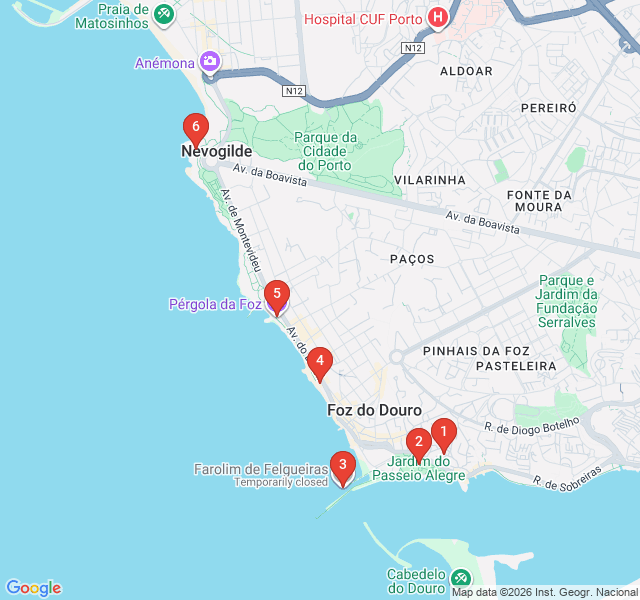
Numbers indicate the order of stops on the tour.
Welcome to the starting point of your coastal exploration. This church, dedicated to St. John the Baptist, stands as a spiritual guardian at the mouth of the Douro. Its origins date back to the 16th century, though much of what you see today reflects 18th-century renovations. Historically, this was the heart of the original fishing village of Foz. Before the area became a fashionable resort for the wealthy, it was a rugged outpost for sailors and pilots who navigated the treacherous 'Barra'—the sandbar where the river meets the sea. Notice the blend of Baroque and Neoclassical elements, a testament to the community's growing wealth over the centuries.
Step into the 19th century as you enter these manicured gardens. Designed by landscape architect Émile David, the Jardim do Passeio Alegre was created to provide a sophisticated promenade for Porto’s high society. As you walk under the towering palm trees, look for the two granite obelisks designed by the famous architect Nicolau Nasoni, which were moved here from a nearby estate. The garden is also home to a charming 'Chalet' that serves as a public restroom—possibly the most beautiful one in Portugal—decorated with intricate tiles. This park represents the transition of Foz from a humble fishing port to an aristocratic summer retreat.
Stand at the edge of the continent here at the Felgueiras Lighthouse. Built in 1886, this hexagonal granite tower served as the primary guide for ships entering the Douro River for over 120 years. While it was deactivated in 2009, it remains a symbol of Porto’s maritime resilience. On stormy days, the waves here can reach incredible heights, completely engulfing the pier—a reminder of the Atlantic's raw power. The lighthouse and its pier provide a dramatic vantage point where you can see the brown river water finally mixing with the deep blue of the ocean. It is a place of transition, where the journey of the Douro finally ends.
As you continue along the coast, you reach the Praia da Luz area. This spot is a local favorite for taking a break and soaking in the sun. The 'Beach of Light' gets its name from the brilliant reflections of the sun on the water. While the restaurant itself is a modern landmark, the coastline here is dotted with geological formations that are millions of years old. The dark rocks you see are part of an ancient metamorphic complex. This is a perfect spot to pause your neighborhood stroll, listen to the rhythmic sound of the tide, and enjoy the refreshing sea air that has drawn visitors to these shores for generations.
You are now at one of Porto's most romantic landmarks. The Pérgola da Nevogilde was constructed in the 1930s as part of a project to beautify the city's coastline. Inspired by the Promenade des Anglais in Nice, its yellow balustrades and neoclassical pillars create a striking frame for the ocean views. It was built during a time when the city was modernizing its seafront to encourage tourism and outdoor leisure. Today, it remains a quintessential spot for photographers and couples, especially during the 'golden hour' when the setting sun casts long, dramatic shadows through the columns and turns the Atlantic horizon into a canvas of orange and pink.
Your journey concludes at the Fort of Saint Francis Xavier, popularly known as the Castelo do Queijo, or 'Cheese Castle.' It earned this quirky nickname because it was built atop a rounded granite rock that locals thought resembled a wheel of cheese. Completed in 1661, the fort was part of a defensive line designed to protect Porto from maritime pirates and Spanish incursions during the Restoration War. Its thick, angled walls were built to deflect cannon fire. Today, the fort houses a small military museum and offers a commanding view of the modern Matosinhos beach and the 'She Changes' sculpture (the giant red net) in the distance.
Start Free on iPhone
Explore “Foz do Douro: Where River Meets Sea” with your very own Private Tour Guide with Zigway. Start free on iPhone, skip the large group and the fixed routes, and hear the city come alive as you go.
Your Private Tour Guide
Don't miss the good stuff
Explore Freely
 Easy
EasyPorto, Portugal
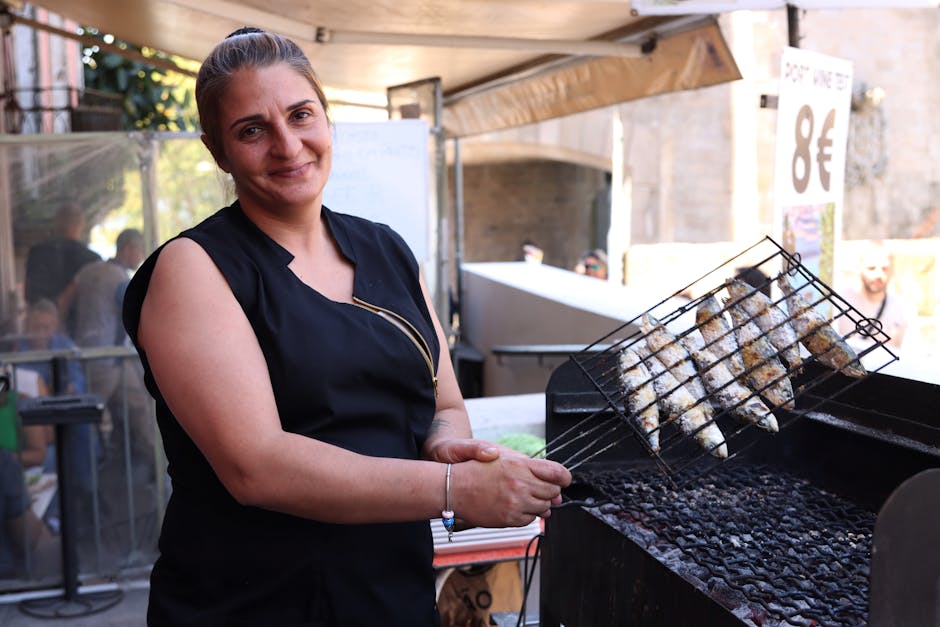
Taste the soul of Porto on this self-guided stroll through the historic Bolhão Market and its legendary surrounding food shops.
 Moderate
Porto, Portugal
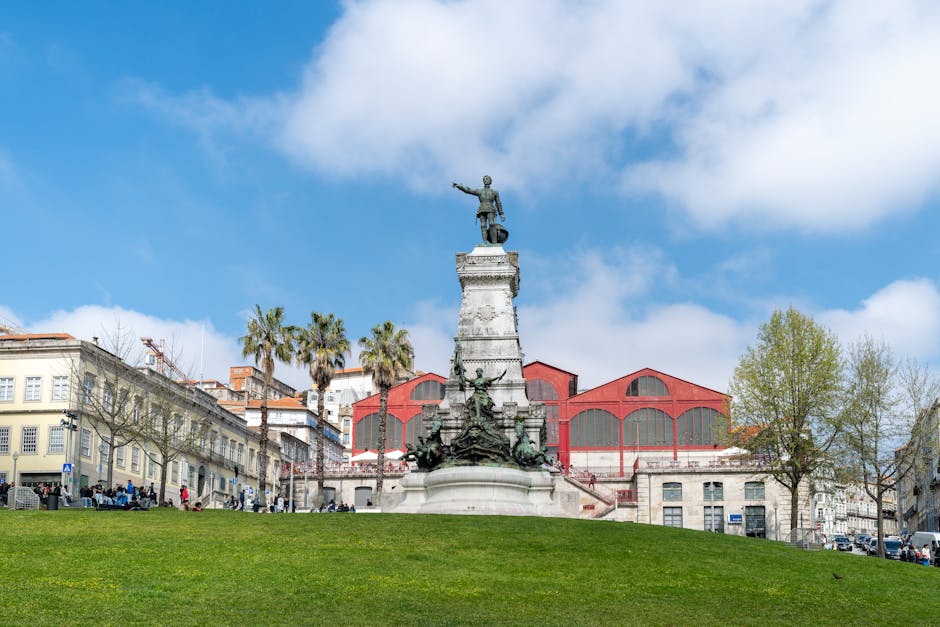
Uncover the hidden history of Porto's Jewish community and the secrets of the Inquisition on this self-guided walking route through historic Miragaia.
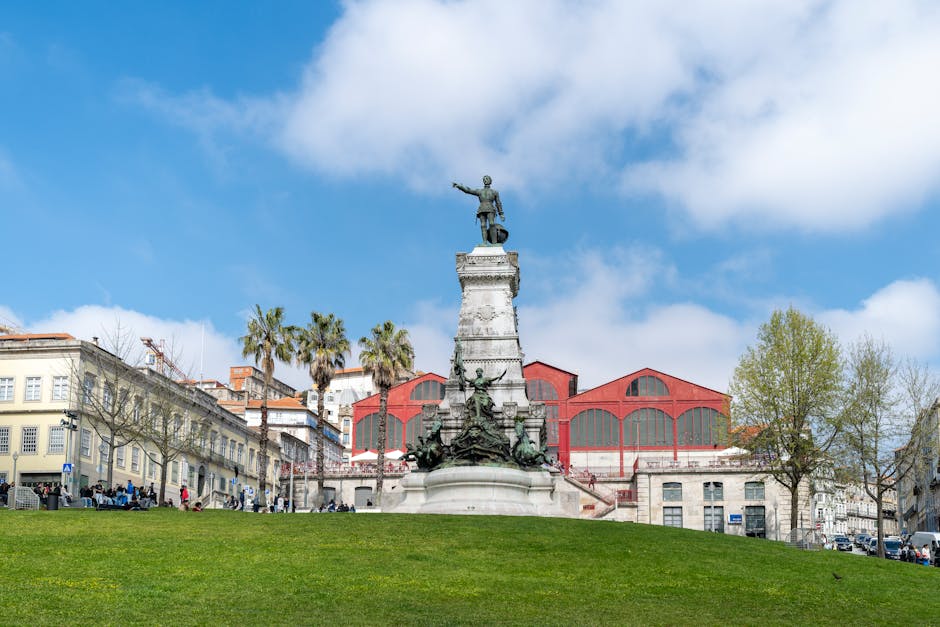 Challenging
Porto, Portugal
Explore Porto's 'High City' on this self-guided walk through Baroque landmarks, medieval cathedrals, and stunning panoramic viewpoints.
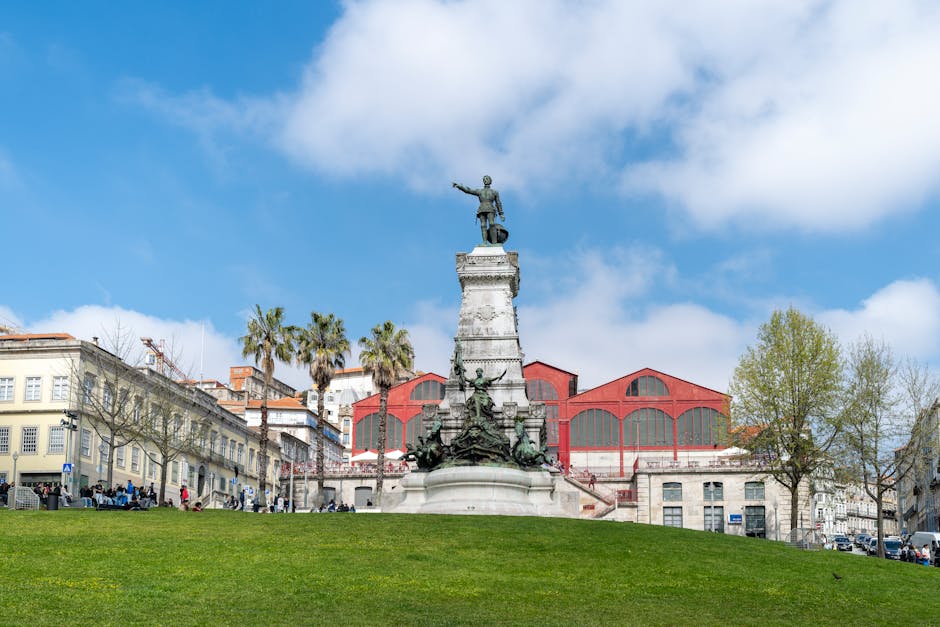 Moderate
Porto, Portugal
Explore Porto's UNESCO-listed riverside district at your own pace through medieval alleys, golden churches, and historic maritime landmarks.
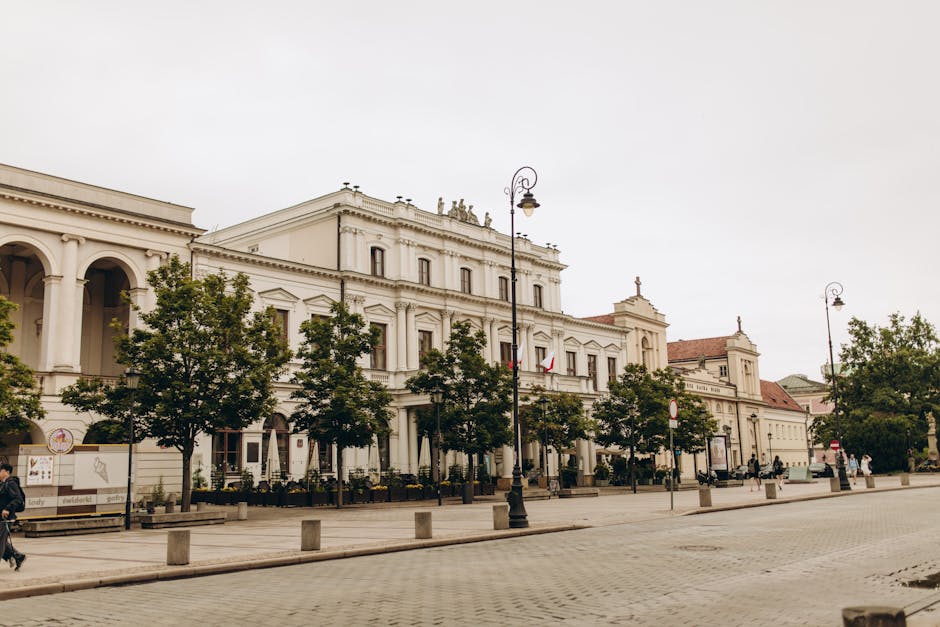 Easy
EasyWarsaw, Poland
Explore Warsaw's scenic riverfront, rooftop gardens, and industrial-chic architecture on this self-guided stroll through the Powiśle district.
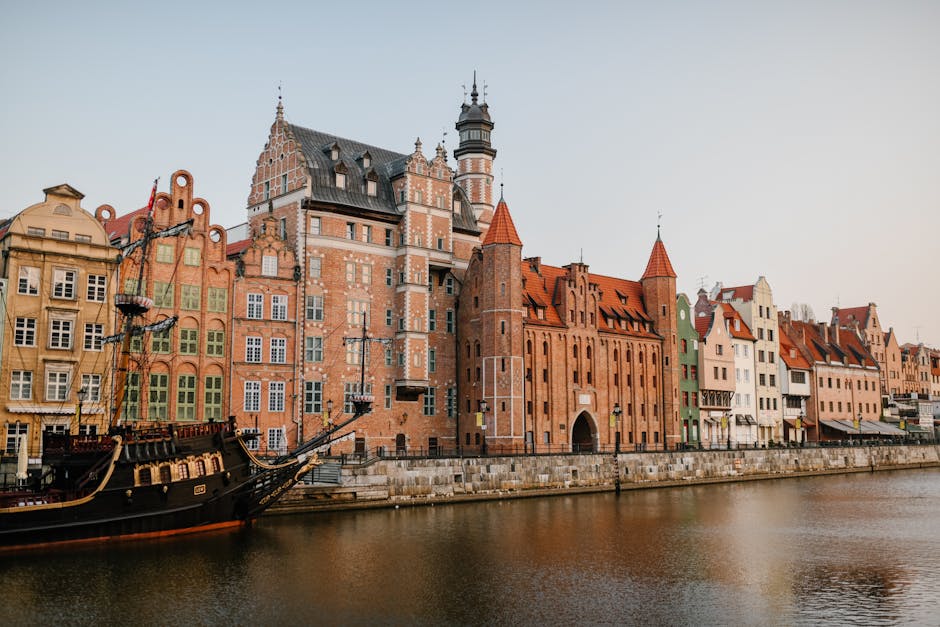 Easy
EasyGdansk, Poland
Discover the monastic heritage, world-famous organs, and lush botanical gardens of Oliwa on this peaceful self-guided neighborhood stroll.
 Moderate
Krakow, Poland
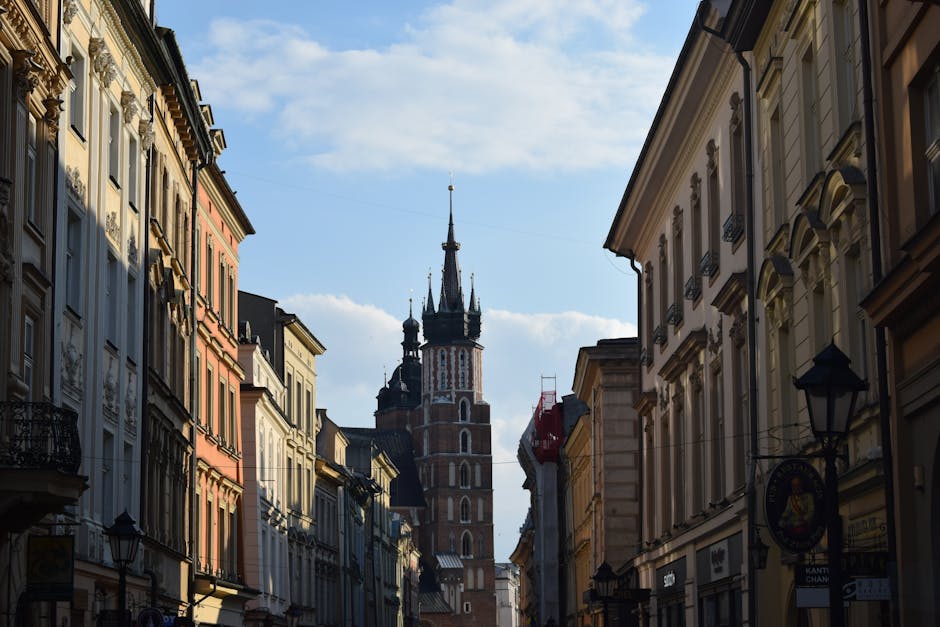
Discover Krakow’s stunning skyline and riverside charm on this self-guided audio walk through scenic viewpoints and historic mounds.
 Easy
EasyHelsinki, Finland
Discover Helsinki's oldest neighborhood on this self-guided audio walk through Kruununhaka’s historic streets, hidden courtyards, and scenic shores.
 Moderate
Sintra, Portugal
Explore an eclectic palace and its lush botanical gardens. Discover 19th-century Romanticism through exotic architecture and hidden chapel ruins.
 Moderate
Sintra, Portugal
Explore Sintra's most opulent 19th-century manors and mystical gardens on this self-guided audio walk through the historic Seteais district.
 Easy
EasySintra, Portugal
Explore Sintra's historic center on this self-guided walk through legendary bakeries, tasting iconic Travesseiros and Queijadas at your own pace.
 Challenging
Sintra, Portugal
A challenging self-guided adventure through Sintra's highest peaks, designed to capture the perfect sunset shots of the Pena Palace and beyond.