Self-guided audio tour in Cologne
Start Free on iPhone
Start free on iPhone to unlock this self-guided walking tour in Cologne. Hear all the stories that make it amazing, walk at your own pace, and begin whenever you want.
Your Private Tour Guide
Step back into the Middle Ages and explore the massive defensive perimeter that once protected one of Europe's most powerful cities. During the 12th century, Cologne constructed a semicircular wall stretching nearly nine kilometers, featuring twelve massive gate castles and dozens of smaller towers. This walking route follows the arc of the historic Ring Road, leading you to the grandest surviving medieval gates and a hidden Prussian fortress. As you explore independently, you will discover why Cologne was often compared to Jerusalem or Rome in the medieval imagination, boasting a scale of fortification that was unmatched north of the Alps. This self-guided walk begins at the northern entrance of the old city and winds through the modern Neustadt, where the medieval spirit still lingers in the stone monuments. You will see the Eigelsteintorburg, a gate that witnessed the triumphal entry of emperors, and the Bayenturm, which guarded the Rhine's edge. Along the way, the route takes a detour into the 19th-century history of the city at Fort X, a beautifully preserved Prussian defense structure that now houses a peaceful rose garden. This itinerary is perfect for history enthusiasts and architecture lovers who want to understand the physical growth of Cologne from a fortified Roman colony to a sprawling medieval powerhouse and finally a modern metropolis. While much of the wall was dismantled in the 1880s to make way for the grand boulevards of the Ring Road, the surviving gates stand as proud sentinels of Cologne's heritage. This walking tour Cologne offers a deep dive into the engineering marvels of the past, the legends of the city's defenders, and the architectural evolution of the Rhineland. Expect a challenging but rewarding trek that covers significant ground, offering a unique perspective on how ancient boundaries continue to shape the layout of Cologne today.
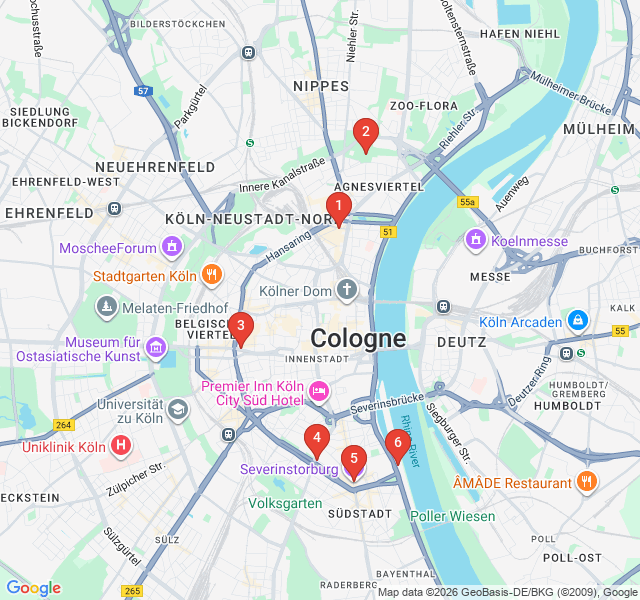
Numbers indicate the order of stops on the tour.
Welcome to the Eigelsteintorburg, the northernmost gate of the medieval city wall. Built between 1228 and 1248, this gate was more than just a defensive structure; it was a statement of power. As you look up at the massive stone towers, notice the lifeboat hanging in the central archway. This boat is a memorial to the cruiser SMS Cöln, which sank during the Battle of Heligoland Bight in 1914. This gate was the primary entrance for travelers coming from the north and has served as everything from a prison to a museum over the centuries. It represents the starting point of the city's 'Great Wall' and sets the stage for the scale of the fortifications you will encounter on this route.
A short walk from the medieval line takes you to Fort X, a relic of a different era. After the Napoleonic Wars, Cologne became a Prussian stronghold, and a new ring of forts was built to modernize its defenses. Fort X is one of the best-preserved examples of these 'Prussian' style fortifications. While the exterior looks formidable with its brickwork and earthworks, the interior courtyard has been transformed into a public rose garden. It is a peaceful, hidden gem where you can see how military architecture was repurposed for civilian enjoyment. Take a moment to explore the ramparts and enjoy the contrast between the stern military history and the delicate floral displays.
The Hahnentor is perhaps the most historically significant gate in Cologne. Located at the western end of the city, this was the ceremonial entrance for the Holy Roman Emperors. After their coronation in Aachen, the kings would travel here to enter Cologne and pay homage to the relics of the Three Kings in the Cathedral. The gate's twin-towered design was intended to impress and intimidate. Over the years, it has survived numerous wars and urban redevelopments, remaining a symbol of the city's imperial connections. Imagine the pageantry that once filled this space as you admire the sturdy masonry that has stood for nearly 800 years.
The Ulrepforte is the smallest of the surviving city gates, but it carries a unique charm. Dating back to the early 13th century, it was originally a simple gate for the guild of potters, or 'Ulner'. One of the most famous stories associated with this spot is the 'Ulrepforte Incident' of 1268, an attempted betrayal where local rebels tried to tunnel under the wall to let in the Archbishop's troops. Today, you can see the distinctive round tower and the remains of the wall nearby. It feels more intimate than the larger gate castles, offering a glimpse into the everyday defensive life of medieval Cologne citizens.
As you move to the southern end of the city, you encounter the Severinstorburg. This gate guarded the road to Bonn and served as a representational entrance for visiting dignitaries. Its architecture is notably different from the northern gates, featuring a massive hexagonal tower that dominates the square. In the Middle Ages, the square in front of the gate was a place of markets and public gatherings. It has been meticulously restored and now serves as a popular venue for events and weddings. Its survival is a testament to the local community's dedication to preserving the 'Veedel' or neighborhood identity of the Severinsviertel.
The final stop on our journey is the Bayenturm, the tower that once anchored the city wall to the Rhine river. This Gothic-style tower was built around 1200 and was heavily damaged during World War II. It was rebuilt in the 1980s and now houses the foundation of the women's rights pioneer Alice Schwarzer. From here, the wall would have extended into the river to prevent aquatic invasions. Standing at the base of the Bayenturm, you can see the modern Rheinauhafen district with its 'Crane Houses' to the south, providing a perfect visual bridge between Cologne's medieval past and its architectural future.
Start Free on iPhone
Explore “Fortified Cologne: The Medieval Ring Road” with your very own Private Tour Guide with Zigway. Start free on iPhone, skip the large group and the fixed routes, and hear the city come alive as you go.
Your Private Tour Guide
Don't miss the good stuff
Explore Freely
 Easy
EasyCologne, Germany
Explore ancient Colonia. Discover Roman ruins, imperial palaces, and hidden monuments on this self-guided walk through Cologne's historic heart.
 Easy
EasyCologne, Germany
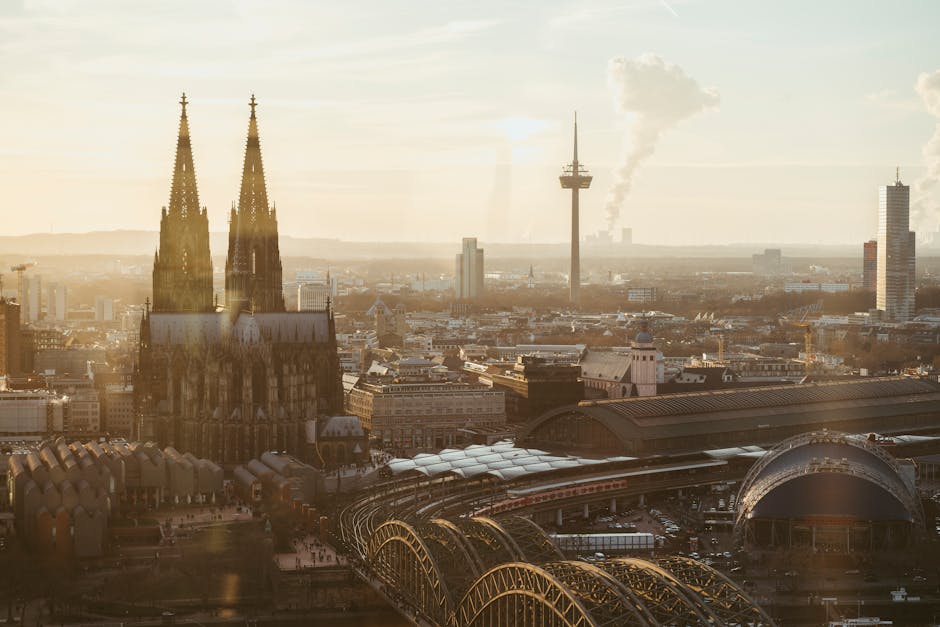
Discover 2,000 years of Jewish history in Cologne, from Roman roots and medieval ritual baths to modern resilience and poignant memorials.
 Easy
EasyCologne, Germany
Discover the legends and liquid gold of Cologne’s Altstadt on this self-guided walking route through historic breweries and ancient squares.
 Moderate
Cologne, Germany
Discover the heart of Cologne's Südstadt. Explore medieval gates, Romanesque churches, and vibrant local life on this self-guided neighborhood walk.
 Easy
EasyGothenburg, Sweden
Explore Gothenburg’s historic wooden houses, legendary giant cinnamon buns, and panoramic fortress views on this self-guided neighborhood stroll.
 Easy
EasyNairobi, Kenya
Discover Nairobi's iconic skyline on this self-guided architecture walk through the CBD’s most famous modernist and Brutalist landmarks.
 Moderate
Vienna, Austria
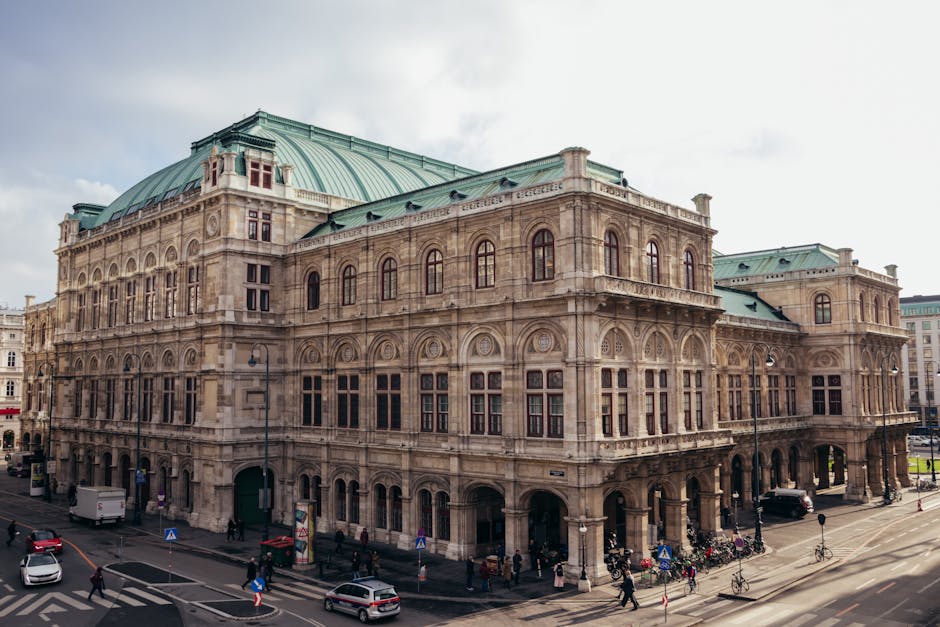
Discover the noir world of The Third Man and Cold War Vienna on this atmospheric self-guided audio walk through the historic Innere Stadt.
 Moderate
Nairobi, Kenya
Discover the pulse of Nairobi's contemporary art scene on this self-guided walk through the galleries and creative spaces of Kilimani.
 Easy
EasyBerlin, Germany
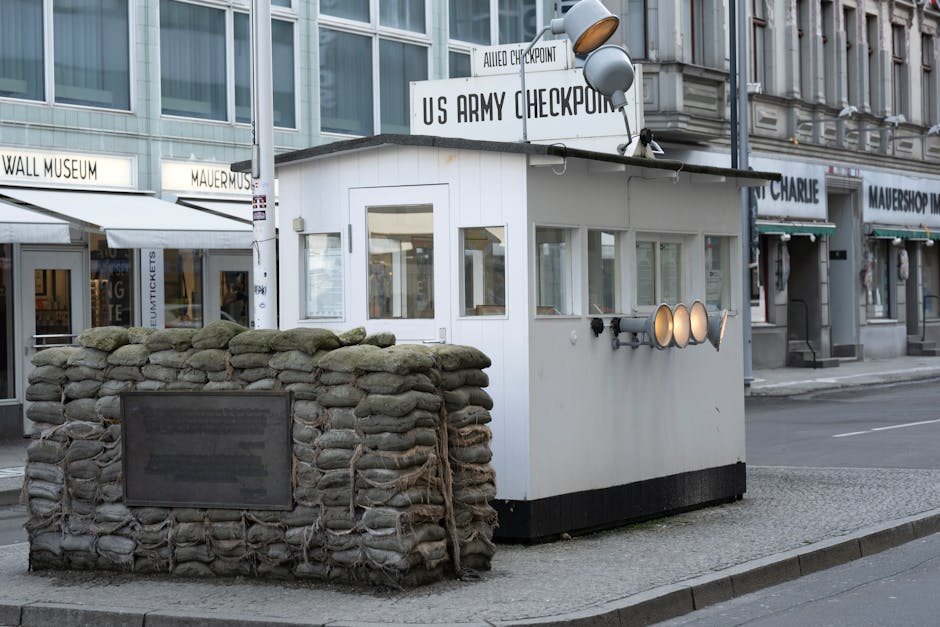
Explore the sites of Nazi power and the memorials that honor its victims on this self-guided walk through Berlin's historic Wilhelmstraße district.
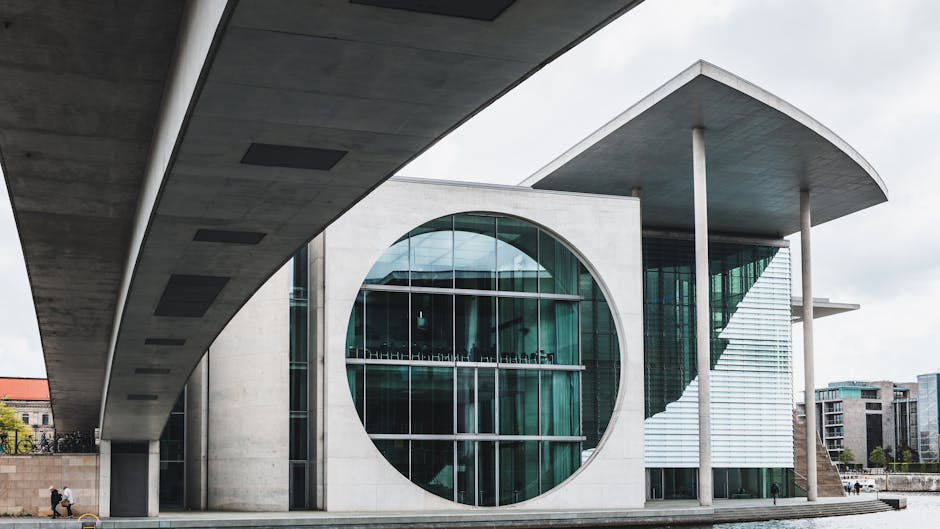 Moderate
Berlin, Germany
Explore Berlin’s 'Green Heart' on a self-guided walk through royal history, Cold War memorials, and serene lakeside gardens.
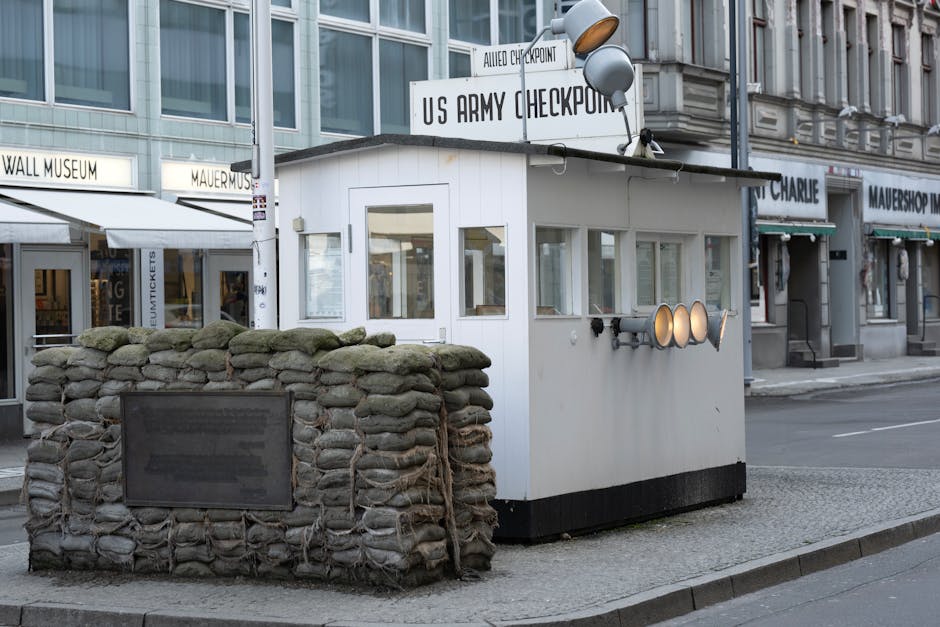 Moderate
Berlin, Germany
Discover the legacy of the Berlin Wall on this self-guided walk from historic ghost stations to the vibrant street art and cafes of Mauerpark.
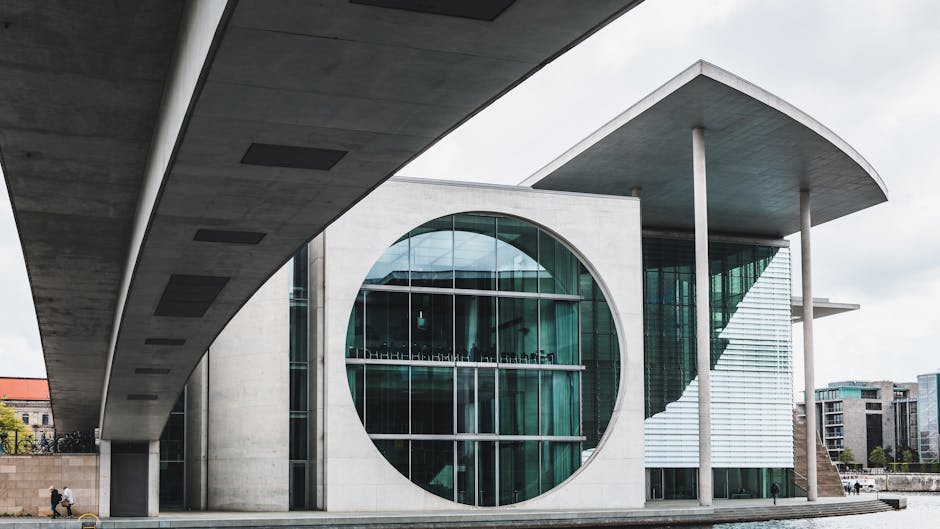 Easy
EasyBerlin, Germany
Discover the soul of 1920s Berlin on a self-guided walk through Charlottenburg’s iconic literary cafes, historic theaters, and artistic landmarks.