Self-guided audio tour in Amsterdam
Start Free on iPhone
Start free on iPhone to unlock this self-guided walking tour in Amsterdam. Hear all the stories that make it amazing, walk at your own pace, and begin whenever you want.
Your Private Tour Guide
Step away from the crowded museum squares and dive into the heart of Amsterdam’s most beloved neighborhood with this self-guided walk through the Jordaan. Originally built in the 17th century for the working class and immigrant artisans, the Jordaan has transformed into a bohemian sanctuary of narrow streets, picturesque canals, and secret gardens. This walking route invites you to discover the 'hofjes'—hidden inner courtyards that offered refuge to the elderly and the poor, many of which remain tucked behind unassuming doors today. Exploring independently allows you to soak in the quiet charm of these residential gems at your own pace. On this neighborhood stroll, you will encounter the soulful sounds of the Geelvinck Pianola Museum and the grand scale of the Karthuizerhof, the largest courtyard in the district. The route balances these tranquil spots with the vibrant energy of the Noordermarkt, a square that has hosted markets for centuries. You will also see the iconic Westerkerk, whose tower has watched over the city for four hundred years and is famously mentioned in the diary of Anne Frank. This walking tour Amsterdam offers a rare glimpse into the local lifestyle, away from the typical tourist traps. As you navigate the Egelantiersgracht, one of the city's most beautiful canals, you will learn how the Jordaan’s identity was forged through social struggle and artistic rebirth. This travel experience is perfect for those who appreciate architecture, social history, and the simple pleasure of getting lost in a labyrinth of flowers and brickwork. While many visitors stick to the main ring of canals, this audio walk ensures you find the soul of the city hidden in its narrowest alleys. Whether you are a first-time visitor or a returning traveler, this independent walking route provides a deeper connection to the true spirit of Amsterdam.
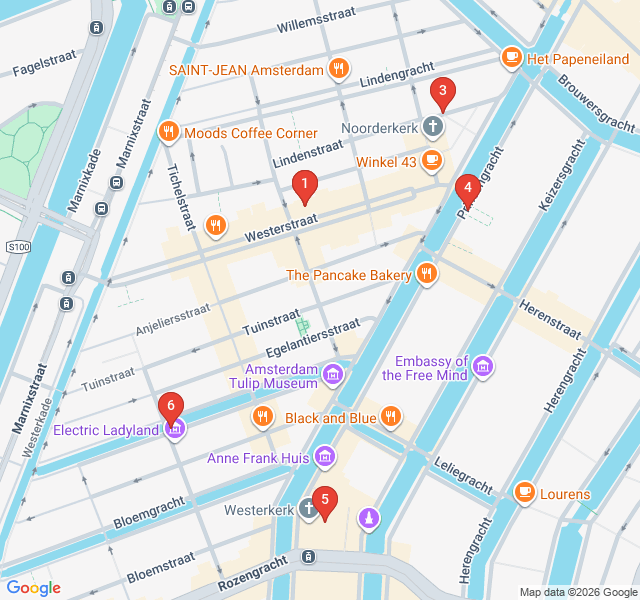
Numbers indicate the order of stops on the tour.
Welcome to the Jordaan. We begin at the Geelvinck Pianola Museum, a specialized treasure house located in a former music shop. This museum celebrates the 'Pianola,' a self-playing piano that brought music into homes before the era of the phonograph. As you stand outside this typical 17th-century house, imagine the sounds of ragtime and classical compositions once wafting through these streets. The collection here includes over 30,000 music rolls and various automatic instruments. This spot sets the tone for our journey, highlighting the Jordaan’s long-standing connection to the arts and domestic life. This neighborhood was never just about labor; it was about the culture of the people who lived here.
Follow the narrow streets to the Karthuizerhof, one of the most significant 'hofjes' in Amsterdam. Built in 1650 on the site of a former Carthusian monastery, this courtyard was designed to house widows and single mothers. As you enter through the gate, the city’s noise fades away into a serene garden surrounded by white-shuttered cottages. Notice the central pump in the courtyard, which was once the primary water source for residents. These courtyards were an early form of social security, provided by wealthy benefactors or the city. Please remember that people still live here today, so a respectful silence is appreciated as you admire this 17th-century sanctuary.
Next, we emerge into the Noordermarkt, a square that has been the heart of Jordaan life since 1623. Dominating the square is the Noorderkerk, a church designed in a unique cross shape to serve the Protestant working class. The market here is legendary; on Mondays, it hosts a famous flea market, and on Saturdays, an organic farmers' market. This square was also a site of protest, notably during the 1941 February Strike against the persecution of Jews. If you need a break, the cafes surrounding the square are famous for their traditional Dutch apple pie. It is the perfect place to sit and watch the neighborhood's vibrant daily life unfold.
Tucked away behind a modest door on the Prinsengracht is the Van Brienenhofje. Founded in 1804 by a wealthy Catholic merchant, this courtyard was originally intended for elderly Catholic couples. To find it, you must look for the door marked with the family crest. Once inside, you will find a beautifully maintained garden and a small chapel. This site is a testament to the religious diversity of the Jordaan, where Catholic enclaves often existed quietly alongside the dominant Protestant population. The architecture reflects a transition from the ornate 18th century to the more functional 19th century, offering a peaceful contrast to the bustling canal just a few meters away.
We now reach the Westerkerk, the 'Western Church,' whose 85-meter tower is an unmistakable landmark of the Amsterdam skyline. Completed in 1631, it is the largest church in the Netherlands built for Protestant services. Its bells, particularly the 'Westertoren' carillon, are mentioned several times in Anne Frank’s diary; they were a source of comfort to her while she was in hiding nearby. The church is also the final resting place of the great painter Rembrandt van Rijn, though his exact grave remains unmarked. Take a moment to look up at the Emperor’s Crown at the very top of the spire, a gift from Emperor Maximilian I of Austria, symbolizing the city's historical importance.
Our walk concludes at the Egelantiersgracht, widely considered one of the most beautiful and tranquil canals in the city. Unlike the grand 'Gentlemen's Canals' of the central ring, the canals of the Jordaan are narrower and more intimate. The name 'Egelantier' refers to the sweetbriar rose, following the neighborhood's tradition of naming streets after flowers and plants. Look at the gable stones on the houses here; these carved reliefs often depicted the profession or name of the original owner before house numbers were introduced. This canal perfectly encapsulates the Jordaan’s blend of history, greenery, and residential charm. It is an ideal spot to end your self-guided adventure with a view of the water.
Start Free on iPhone
Explore “Jordaan’s Secret Courtyards and Hidden Alleys” with your very own Private Tour Guide with Zigway. Start free on iPhone, skip the large group and the fixed routes, and hear the city come alive as you go.
Your Private Tour Guide
Don't miss the good stuff
Explore Freely
 Easy
EasyAmsterdam, Netherlands
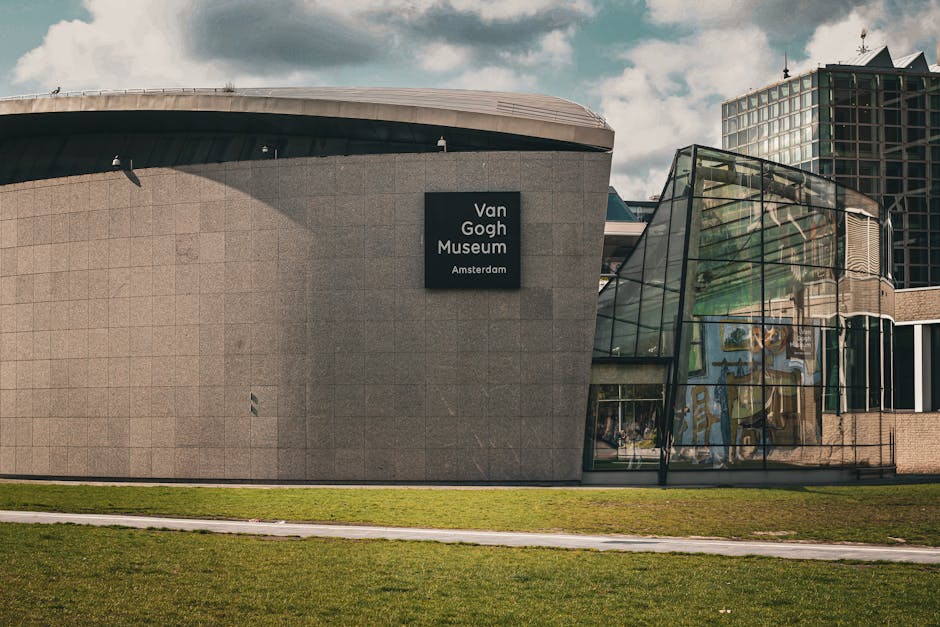
Discover Amsterdam's cultural heart on this self-guided walk from the iconic Museumplein to the serene blooming gardens of Vondelpark.
 Easy
EasyAmsterdam, Netherlands
Discover Amsterdam's literary heart on this self-guided walk through historic bookshops, writers' haunts, and the homes of revolutionary thinkers.
 Easy
EasyAmsterdam, Netherlands
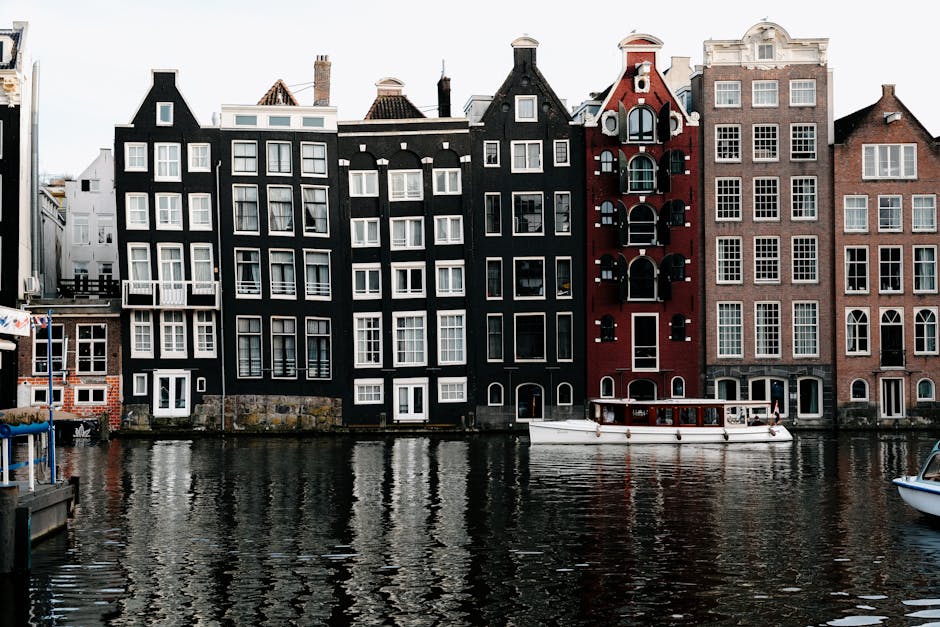
Capture the magic of Amsterdam with this self-guided photography walk across the iconic bridges and scenic banks of the Amstel River.
 Easy
EasyAmsterdam, Netherlands
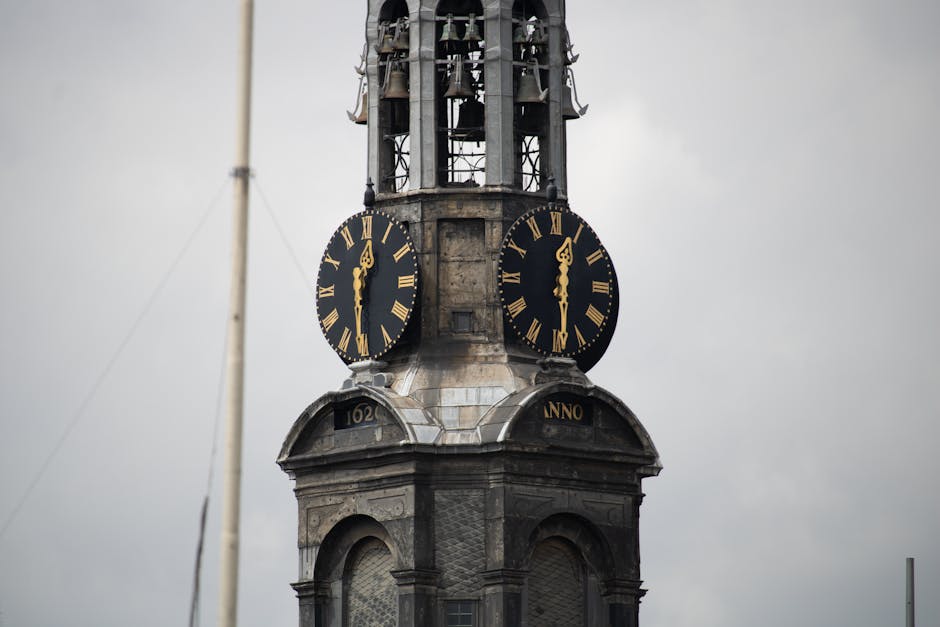
Discover the opulent 17th-century mansions and rich history of Amsterdam's famous Canal Belt on this self-guided architectural walking route.
 Easy
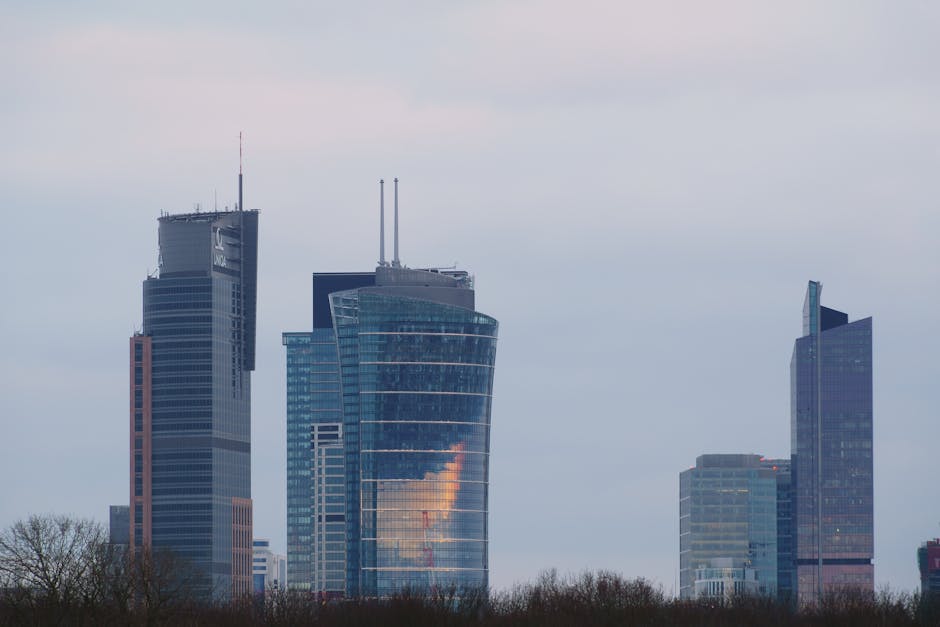
EasyWarsaw, Poland
Discover the hidden courtyards and grand pre-war architecture of Warsaw's most atmospheric neighborhood on this self-guided stroll.
 Easy
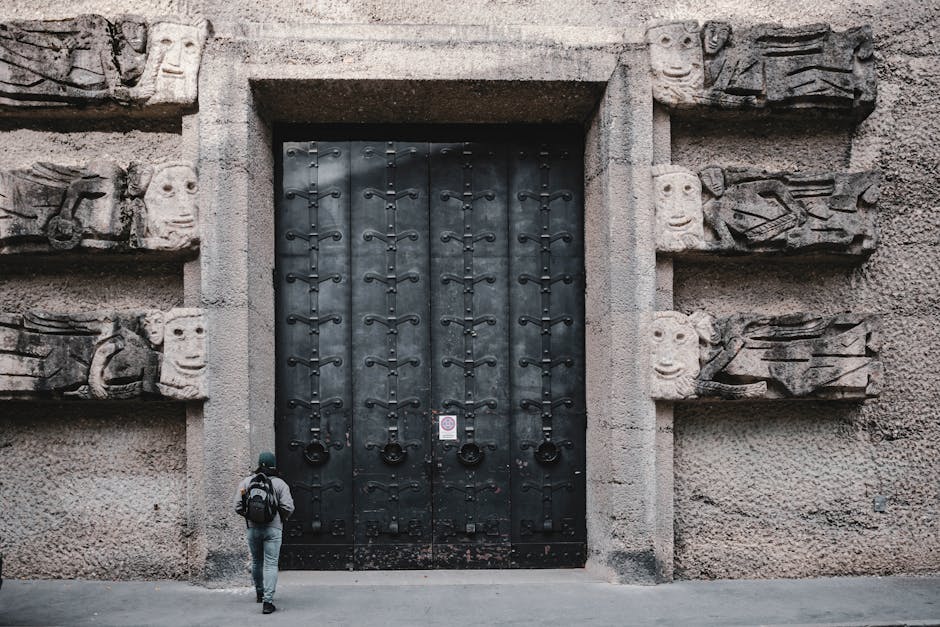
EasySalzburg, Austria
Discover Salzburg's oldest medieval alley, the birthplace of the 'Silent Night' author, and breathtaking views on this quiet self-guided walk.
 Easy
EasyHelsinki, Finland
Discover Helsinki's oldest neighborhood on this self-guided audio walk through Kruununhaka’s historic streets, hidden courtyards, and scenic shores.
 Easy
EasyNairobi, Kenya
Discover Nairobi's iconic skyline on this self-guided architecture walk through the CBD’s most famous modernist and Brutalist landmarks.
 Easy
EasyRotterdam, Netherlands
Explore Rotterdam’s cultural heart on this self-guided walk through world-class museums, modernist villas, and futuristic architectural landmarks.
 Easy
EasyRotterdam, Netherlands
Capture Rotterdam's iconic skyline and historic bridges on this scenic self-guided photography walk along the Maas River and Noordereiland.
 Moderate
Rotterdam, Netherlands
Explore Rotterdam’s lush side through secret gardens, historic harbors, and the elegant 19th-century Shipping Quarter on this self-guided walk.
 Easy
EasyRotterdam, Netherlands
Explore Rotterdam's neon-lit streets and vibrant nightlife at your own pace with this independent audio walk through the city's coolest districts.