Self-guided audio tour in The Hague
Start Free on iPhone
Start free on iPhone to unlock this self-guided walking tour in The Hague. Hear all the stories that make it amazing, walk at your own pace, and begin whenever you want.
Your Private Tour Guide
The salty air and the rhythmic sound of the North Sea waves set the stage for this self-guided walking route through Scheveningen, the most famous seaside district in the Netherlands. For centuries, this area was a humble, isolated fishing village where residents lived in modest cottages and braved the harsh elements of the coast. However, the 19th century brought a dramatic transformation, turning the village into a world-class resort for European royalty and high society. This self-guided walking tour The Hague offers a deep dive into that dual identity, leading you from the historic narrow lanes of the old village to the grand, palatial architecture of the coast. As you explore independently, you will discover how these two worlds—the rugged maritime past and the elegant leisure of the ‘Belle Époque’—continue to coexist today. The walk begins in the historic heart of Scheveningen at Keizerstraat, the oldest shopping street in the neighborhood, where the local spirit remains vibrant. You will encounter the 15th-century Old Church, which has survived centuries of storms and floods, before heading toward the iconic red lighthouse that has guided sailors home since 1875. The route also invites you to uncover hidden gems at Muzee Scheveningen, a local museum dedicated to the lives of the fishing families who built this community. Transitioning from the village to the ‘Bad’ (bath) area, you will stand before the magnificent Grand Hotel Amrâth Kurhaus, a masterpiece of neo-Renaissance architecture that once hosted the likes of Audrey Hepburn and the Rolling Stones. The journey concludes at the modern Pier, offering panoramic views of the coastline and the vast North Sea. While searching for a walking tour The Hague, you will find that this self-guided stroll provides the perfect balance of historical context and the freedom to linger at a beach pavilion or browse local boutiques. This neighborhood stroll is more than just a walk; it is a journey through time, tracing the evolution of a community that transformed from a place of survival to a place of celebration.
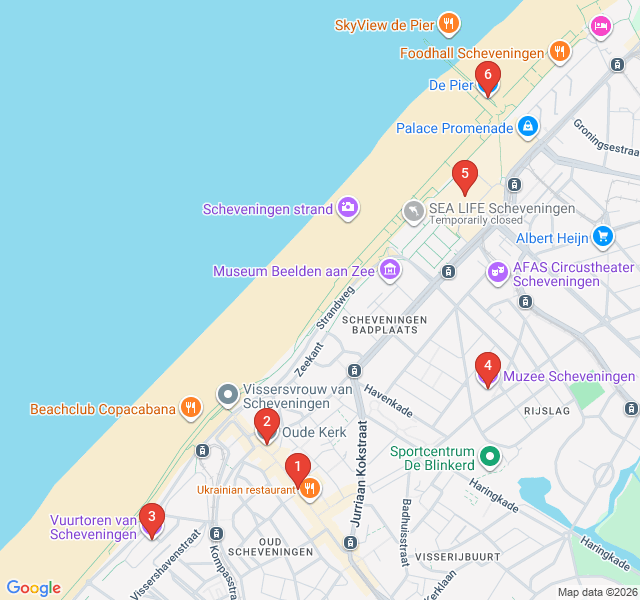
Numbers indicate the order of stops on the tour.
Welcome to Keizerstraat, the historic backbone of Scheveningen. This is the oldest shopping street in the district, and its name, meaning 'Emperor Street', likely refers to Emperor Napoleon who visited in 1811. For centuries, this was the main connection between the village and the sea. As you walk along, notice the blend of traditional Dutch architecture and modern storefronts. This street was once the center of life for the local fishing community, where families would gather to buy supplies and exchange news. The atmosphere here remains distinct from the more commercial resort area further down the coast, preserving a sense of the village's original, hardworking character.
Standing as the oldest building in Scheveningen, the Oude Kerk or Old Church dates back to the 15th century. This late-Gothic structure has survived countless North Sea storms and the devastating All Saints' Day Flood of 1570, which washed away half of the original village. Historically, the church served as a landmark for fishermen returning home from sea. Look for the statue of the 'Scheveningen Woman' nearby, dressed in traditional local costume. The church represents the spiritual heart of the community and stands as a resilient witness to the village's long struggle against the encroaching tides.
The vibrant red Scheveningen Lighthouse is an unmistakable landmark. Completed in 1875, this cast-iron tower was designed by Quirinus Harder. It replaced an earlier stone tower that burned coal to guide ships. Standing 30 meters high, its light can be seen for 18 nautical miles. In the past, the lighthouse keeper had to manually wind the clockwork mechanism every few hours to keep the light rotating. Today, it remains fully operational, though automated. It serves as a reminder of the dangerous reality of North Sea navigation and the village's deep-rooted connection to the maritime industry.
To truly understand the local identity, one must look at the lives of those who called this coast home long before the tourists arrived. Muzee Scheveningen is housed in a former school building and dedicated to the history and culture of the fishing village. It highlights the difficult lives of the 'bomschuiten' (flat-bottomed boat) crews and the women who stayed behind to mend nets and sell fish. The museum preserves the unique Scheveningen dialect and traditional dress, offering a glimpse into a way of life that was nearly lost when the area transitioned into a fashionable bathing resort.
As you move toward the shore, the landscape shifts from village charm to imperial grandeur. The Kurhaus, opened in 1885, transformed Scheveningen into an international destination. This neo-Renaissance masterpiece was designed to rival the great spas of Europe. Its central Kurzaal (Grand Ballroom) is famous for its ceiling paintings and incredible acoustics. Over the years, it has hosted royalty, world leaders, and legendary performers. In 1964, the Rolling Stones played a concert here that famously ended in a riot after only a few songs. The building stands as a symbol of the 'Belle Époque' and the birth of modern coastal tourism.
The final stop is the iconic Pier. The original wooden pier from 1901 was destroyed during World War II, but the current structure, opened in 1959, represents the optimism of the post-war era. It is unique for its two-level design, featuring a covered lower deck and an open upper deck. Today, it is a hub of activity with its Ferris wheel, bungee jumping, and various food stalls. From the end of the pier, look back at the coastline to see the striking contrast between the historic village steeples and the modern skyline, concluding your exploration of Scheveningen’s evolution.
Start Free on iPhone
Explore “Scheveningen: From Fishing Village to Resort” with your very own Private Tour Guide with Zigway. Start free on iPhone, skip the large group and the fixed routes, and hear the city come alive as you go.
Your Private Tour Guide
Don't miss the good stuff
Explore Freely
 Easy
EasyThe Hague, Netherlands
Explore The Hague’s artistic soul on this self-guided walk from Golden Age treasures to the mind-bending illusions of M.C. Escher.
 Moderate
The Hague, Netherlands
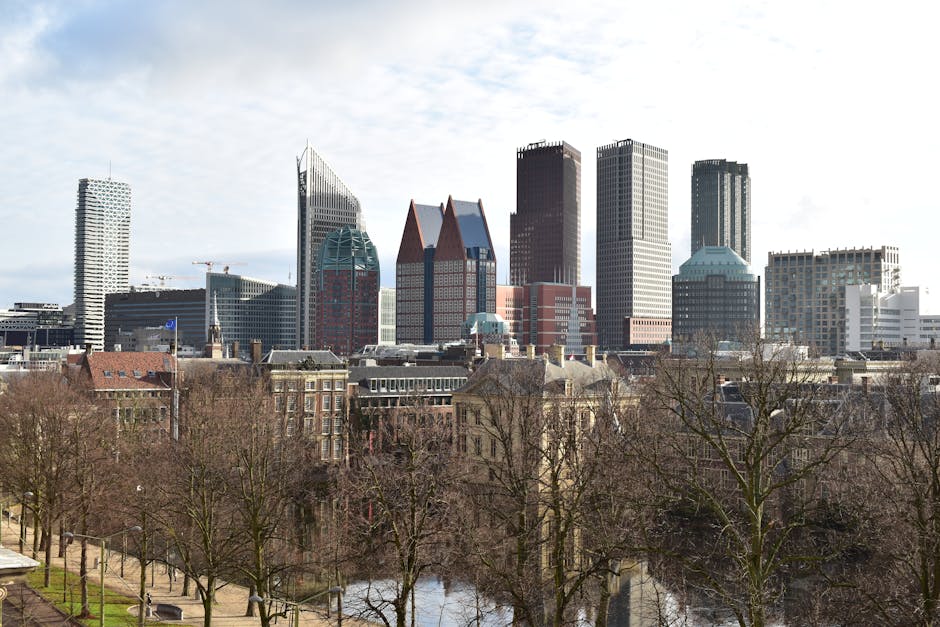
Explore the heart of international law on this self-guided walk through The Hague’s world-renowned Peace and Justice district.
 Easy
EasyThe Hague, Netherlands
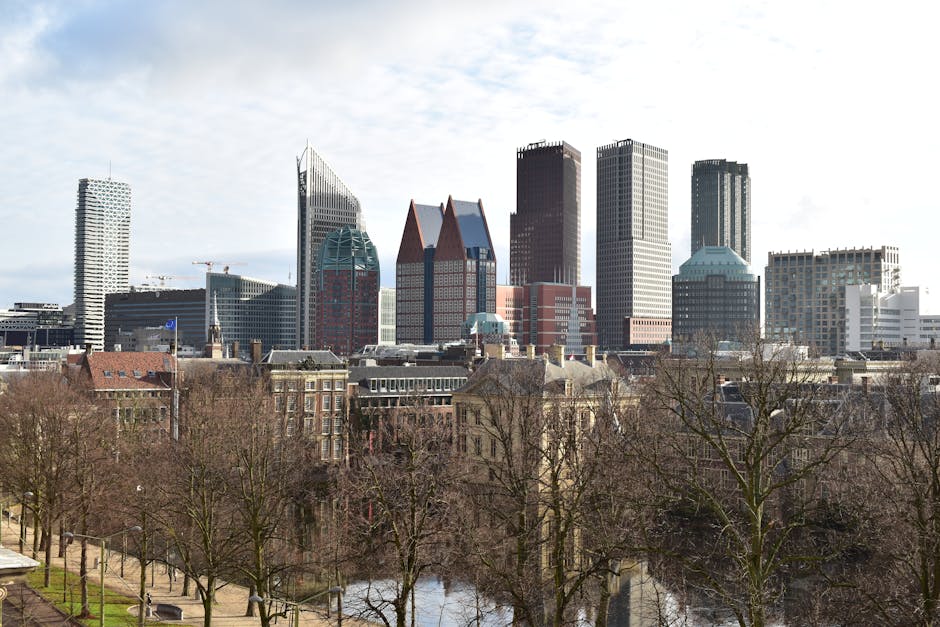
Discover the liquid history of The Hague on this self-guided walk through historic distilleries, vibrant markets, and iconic local pubs.
 Moderate
The Hague, Netherlands
Explore the gritty, creative soul of The Hague's industrial district on this self-guided street art and architecture walk.
 Moderate
Gothenburg, Sweden
Discover Gothenburg’s maritime soul on this self-guided walk from the historic Central Station to the scenic riverfront at Stenpiren.
 Moderate
Helsinki, Finland
Explore the 'Gibraltar of the North' on this independent walking route through the historic bastions and hidden gardens of Suomenlinna Sea Fortress.
 Moderate
Vienna, Austria
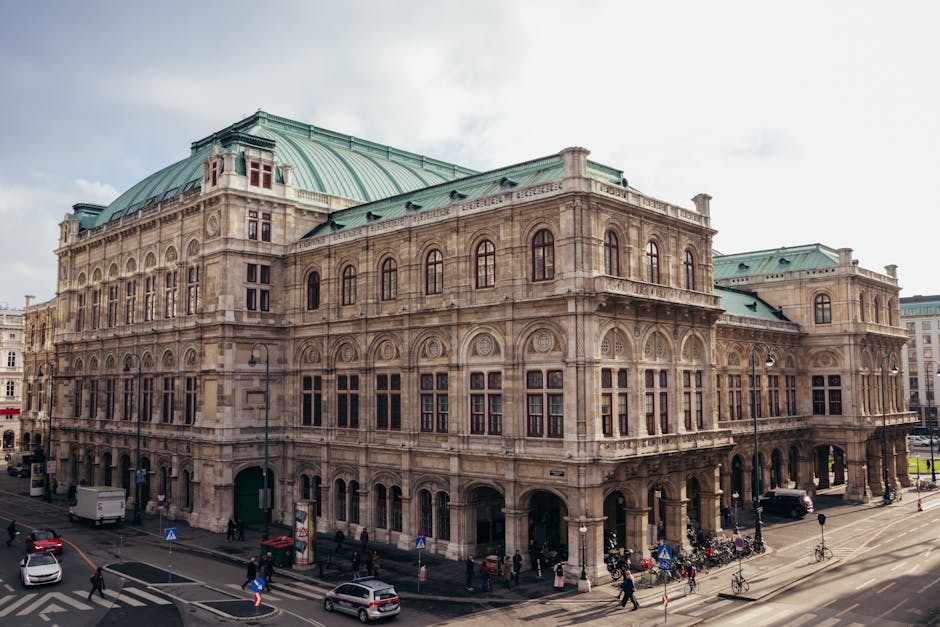
Follow the footsteps of Mozart and Strauss through Vienna’s historic center on this self-guided walk through the city's rich musical history.
 Easy
EasyGdansk, Poland
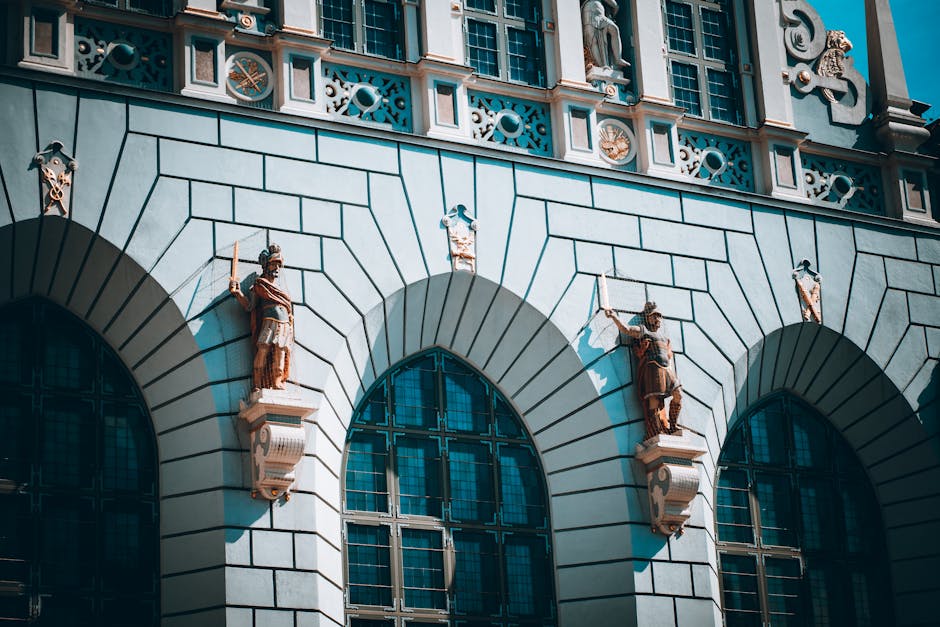
Discover the opulent Royal Way of Gdansk at your own pace. Explore Hanseatic history, gilded architecture, and the iconic Neptune's Fountain.
 Easy
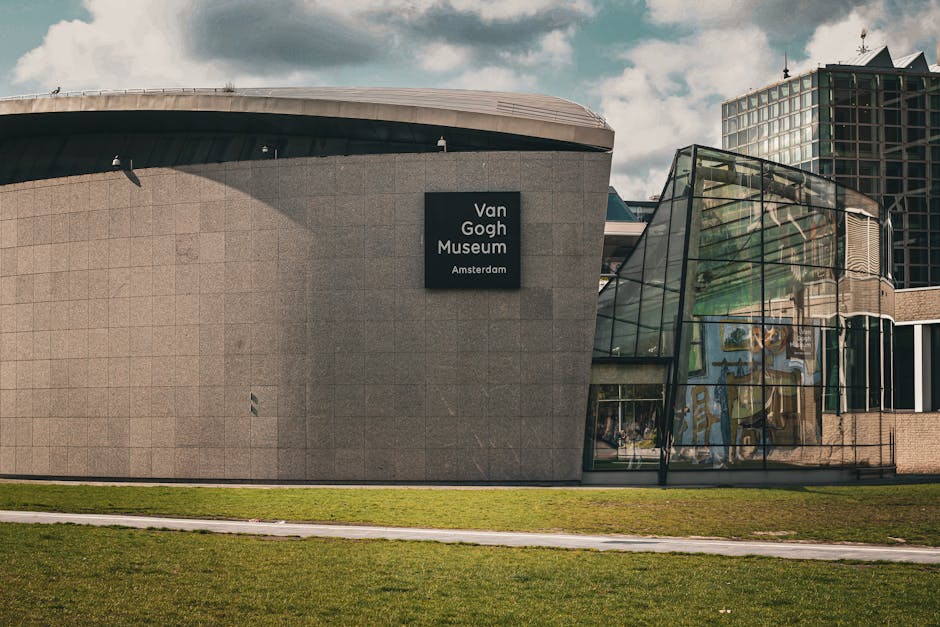
EasyAmsterdam, Netherlands
Discover Amsterdam's cultural heart on this self-guided walk from the iconic Museumplein to the serene blooming gardens of Vondelpark.
 Easy
EasyAmsterdam, Netherlands
Discover Amsterdam's literary heart on this self-guided walk through historic bookshops, writers' haunts, and the homes of revolutionary thinkers.
 Easy
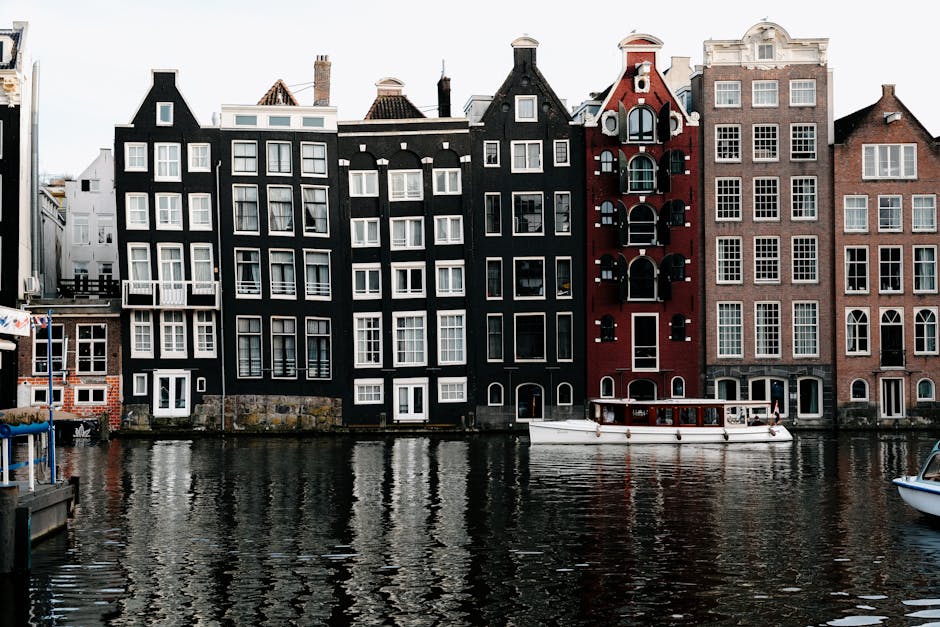
EasyAmsterdam, Netherlands
Capture the magic of Amsterdam with this self-guided photography walk across the iconic bridges and scenic banks of the Amstel River.
 Easy
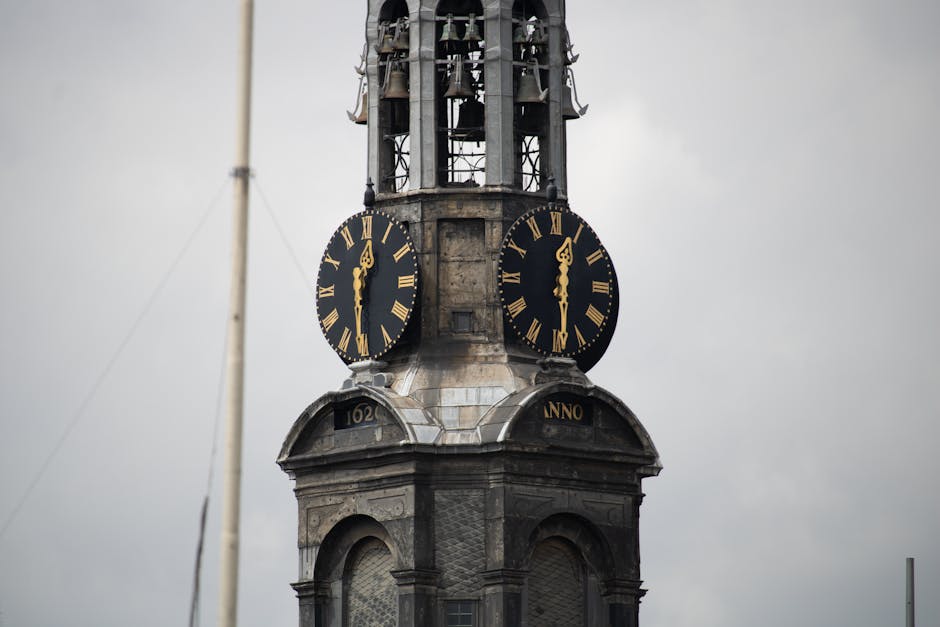
EasyAmsterdam, Netherlands
Discover the opulent 17th-century mansions and rich history of Amsterdam's famous Canal Belt on this self-guided architectural walking route.