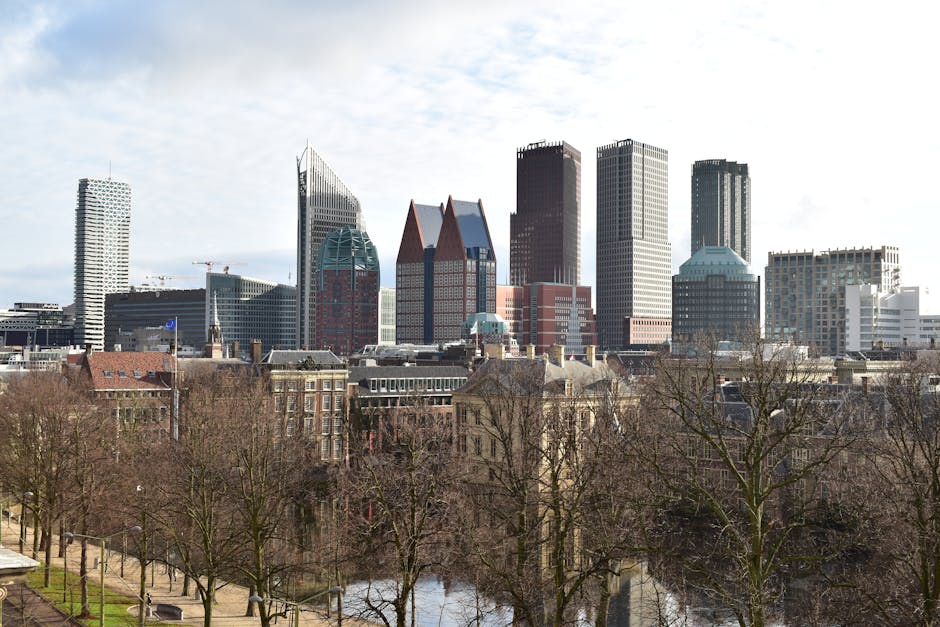
Self-guided audio tour in The Hague
Start Free on iPhone
Start free on iPhone to unlock this self-guided walking tour in The Hague. Hear all the stories that make it amazing, walk at your own pace, and begin whenever you want.
Your Private Tour Guide
The Hague, or Den Haag, is often associated with international law and royal palaces, but beneath its stately exterior lies a rich tapestry of culinary traditions. This self-guided walking route invites you to explore the 'Hofstad' (Court City) through your taste buds, moving from the historic heart of the city to the vibrant colors of Chinatown. You will discover how centuries of global trade and royal patronage have shaped the local food scene. The Hague is unique in the Netherlands for its blend of 'sand and peat'—the historical divide between the wealthy residents on the dunes and the working class on the inland soil. This social history is reflected in the food, where high-end delicacies and hearty street snacks exist side-by-side. As you embark on this walking tour The Hague style, you will experience the city's living room at the Grote Markt, where the atmosphere is always lively regardless of the season. The route takes you through architectural marvels like The Passage, the oldest shopping arcade in the Netherlands, where the scent of artisanal chocolate fills the air. You will also encounter the legendary flavors of Slagerij Dungelmann, a butchery that has served the Dutch Royal House for generations. This independent neighborhood stroll is designed for those who want to see the city like a local, stopping for a 'bitterbal' or a coffee whenever the mood strikes. Beyond the traditional Dutch bites, this walking route leads you into the Wagenstraat, the gateway to The Hague's Chinatown. Here, the aroma of roasted duck and exotic spices highlights the city's multicultural identity. This is not just a walk through history, but a journey through the evolving tastes of a modern European capital. Whether you are a fan of high-end department store food halls or gritty, authentic street food, this self-guided adventure offers a comprehensive overview of what makes the city's gastronomy so special. By the end of this walking tour The Hague will feel much more intimate, having revealed its secrets through its kitchens and markets. **Note:** This area is known for its ever-changing character. Street art, pop-up venues, and temporary exhibitions may differ from what's described. That's part of the adventure - you might discover something entirely new!
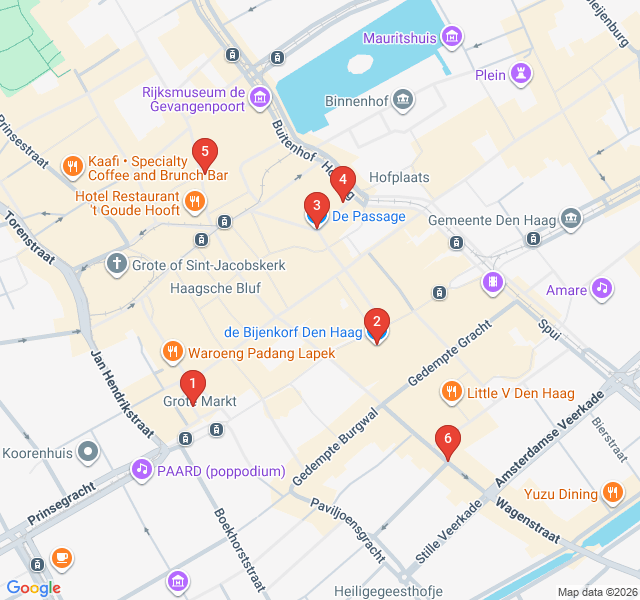
Numbers indicate the order of stops on the tour.
Welcome to the Grote Markt, the historic center of social life in The Hague. Once a bustling vegetable market, it has transformed into the city's most popular square for outdoor dining and drinks. Look around at the diverse architecture surrounding the square, from traditional Dutch gables to the grand 'Zwarte Ruiter' building. The Grote Markt is known for its 'pop-up' culture and alternative music scene. It is the perfect place to begin your exploration of the city's flavors. While the stalls of the past are gone, the spirit of communal gathering remains. Many locals start their weekends here with a craft beer or a simple snack. Take a moment to soak in the atmosphere before we head toward the more commercial heart of the city.
Standing before you is De Bijenkorf, a masterpiece of the Amsterdam School style designed by architect W.M. Dudok in the 1920s. This isn't just a department store; it's a cultural landmark. In the early 20th century, De Bijenkorf introduced the concept of luxury shopping to the Dutch public. For food lovers, the upper floor often hosts a high-quality food plaza where you can find everything from Dutch pastries to international delicacies. The building's brickwork and horizontal lines are iconic examples of Dutch modernism. It serves as a bridge between the old city and the modern shopping district. Even if you don't go inside, take a moment to appreciate how the building's windows were designed to maximize natural light for the displays.
Step into The Passage, the only remaining example in the Netherlands of the covered shopping streets that were popular in major European cities like Paris and Brussels during the late 19th century. Completed in 1885, its glass domes and Neo-Renaissance facades evoke a sense of Victorian elegance. This was where the elite of The Hague came to see and be seen. Today, it remains a prestigious location for boutique shops. As you walk through, notice the intricate floor mosaics and the way the light filters through the glass roof. The Passage represents the 'sand' side of The Hague—the sophisticated, royal-adjacent culture that has defined the city's international reputation for over a century.
Located within the historic Passage, Hop & Stork is a temple to the two things the Dutch take very seriously: coffee and chocolate. This stop offers a sensory experience where you can often see chocolatiers at work through the open kitchen. The Hague has a long-standing relationship with chocolate, partly due to the colonial trade routes of the Dutch East India Company. At Hop & Stork, the focus is on craftsmanship. The aroma here is unmistakable. It is a modern addition to a historic space, showing how traditional Dutch flavors are being reinvented for a modern audience. Consider looking at their selection of 'Haagsche Hopjes' inspired treats, a coffee-flavored candy that originated right here in this city.
You are now at Slagerij Dungelmann, perhaps the most famous butchery in the Netherlands. Established in 1861, it has held a Royal Warrant for decades. While they are a full-service butcher, they are legendary for two specific items: their croquettes and their meatballs. It is said that even members of the Royal Family have been known to enjoy a Dungelmann snack. The recipe for their croquette is a closely guarded secret, known for its rich, creamy ragout and perfectly crisp exterior. During lunch hours, you will see a cross-section of The Hague society—from businessmen in suits to construction workers—lining up for a 'broodje kroket.' This stop is the epitome of the city's culinary heritage: high quality, traditional, and deeply loved by all.
Our final stop is the Wagenstraat, the heart of The Hague’s Chinatown. You are greeted by the magnificent Chinese gateways, or Paifang, which are decorated with dragons and traditional motifs. This area provides a stark and wonderful contrast to the royal elegance of The Passage. The Wagenstraat is home to some of the city's best Asian supermarkets, dim sum parlors, and Surinamese-Indonesian eateries. The Hague's culinary scene is inseparable from its colonial history, and here you can find the authentic spices and ingredients that have influenced Dutch home cooking for generations. The vibrant red lanterns and busy storefronts mark the end of our walk, leaving you in a perfect spot to find a full meal or explore the nearby markets.
Start Free on iPhone
Explore “Flavors of the Hofstad: A Culinary Walk” with your very own Private Tour Guide with Zigway. Start free on iPhone, skip the large group and the fixed routes, and hear the city come alive as you go.
Your Private Tour Guide
Don't miss the good stuff
Explore Freely
 Easy
EasyThe Hague, Netherlands
Explore The Hague’s artistic soul on this self-guided walk from Golden Age treasures to the mind-bending illusions of M.C. Escher.
 Moderate
The Hague, Netherlands
Explore the heart of international law on this self-guided walk through The Hague’s world-renowned Peace and Justice district.
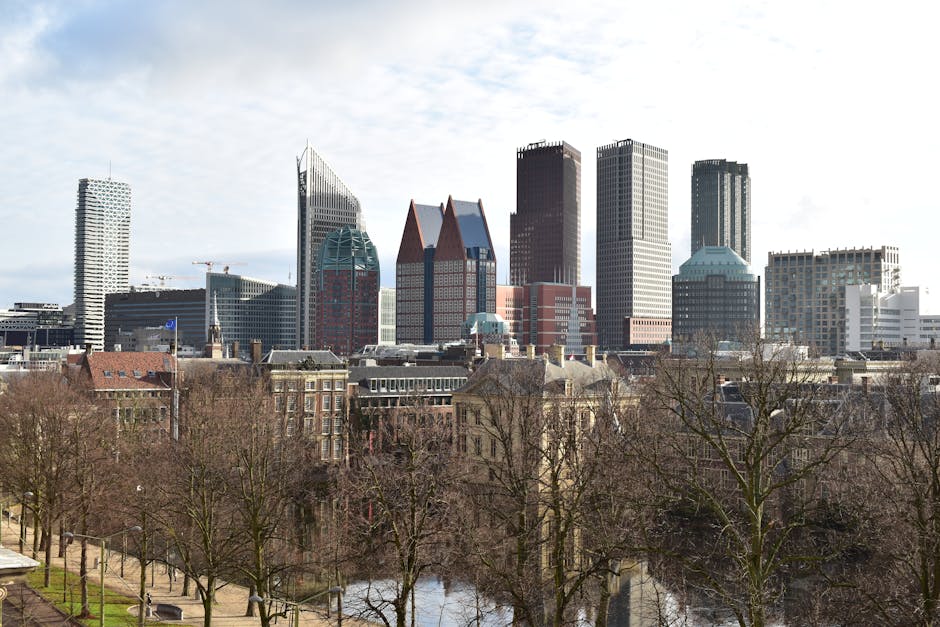 Easy
EasyThe Hague, Netherlands
Discover the liquid history of The Hague on this self-guided walk through historic distilleries, vibrant markets, and iconic local pubs.
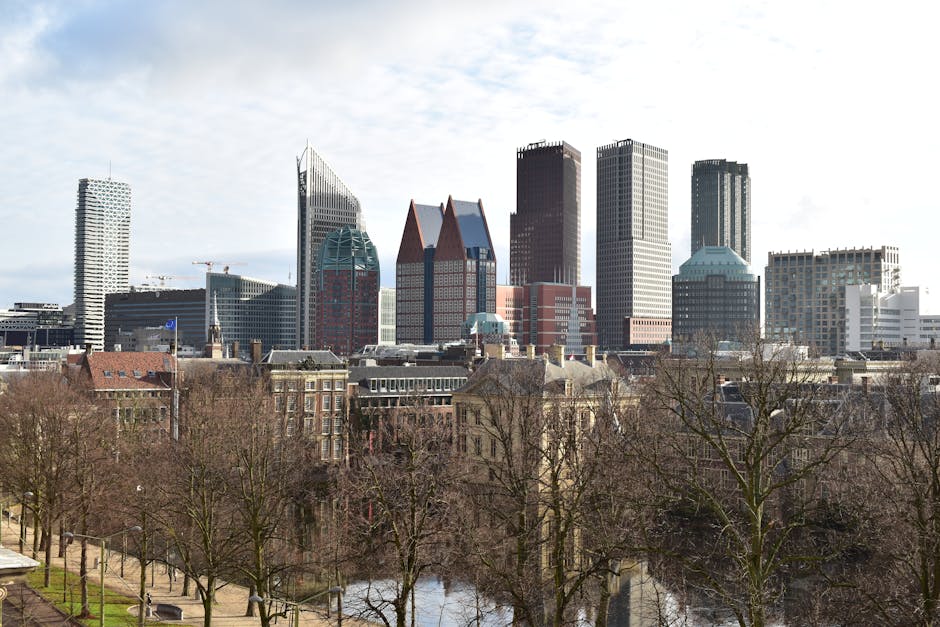 Moderate
The Hague, Netherlands
Explore the gritty, creative soul of The Hague's industrial district on this self-guided street art and architecture walk.
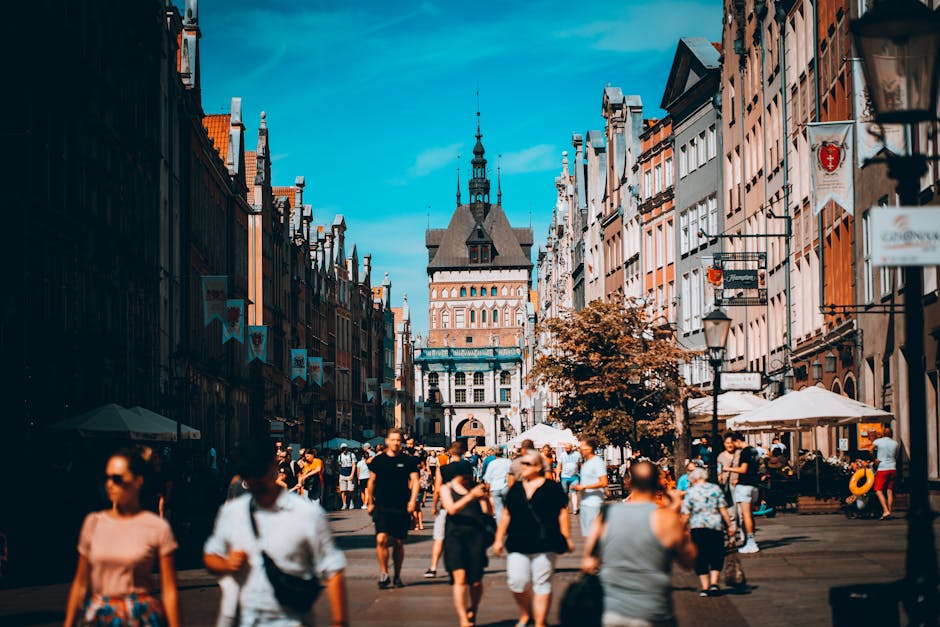 Easy
EasyGdansk, Poland
Taste the history of the Baltic. Explore Gdansk's culinary heritage from medieval markets to gold-flecked liqueurs on this self-guided walk.
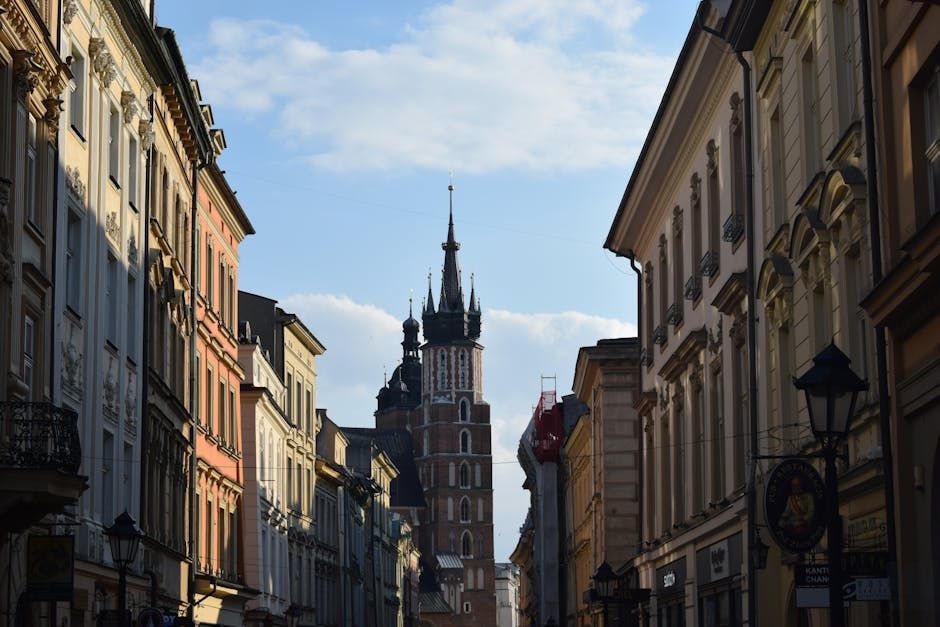 Easy
EasyKrakow, Poland
Savor the soul of Krakow on this self-guided walk through historic markets, bohemian cafes, and the city's best pierogi spots.
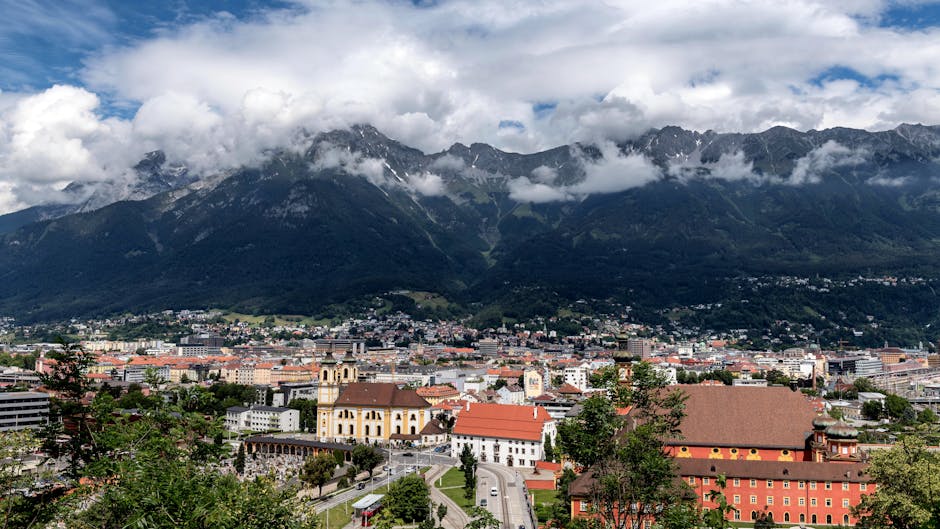 Easy
EasyInnsbruck, Austria
Discover the flavors of Tyrol on this self-guided stroll through Innsbruck’s historic Old Town and vibrant market hall.
 Easy
EasyGothenburg, Sweden
Explore Gothenburg’s historic wooden houses, legendary giant cinnamon buns, and panoramic fortress views on this self-guided neighborhood stroll.
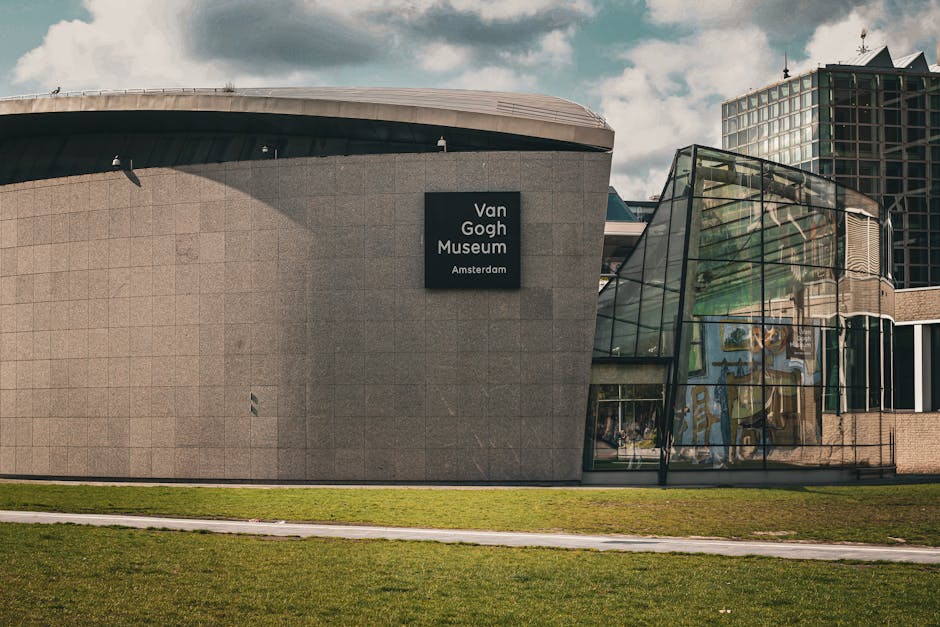 Easy
EasyAmsterdam, Netherlands
Discover Amsterdam's cultural heart on this self-guided walk from the iconic Museumplein to the serene blooming gardens of Vondelpark.
 Easy
EasyAmsterdam, Netherlands
Discover Amsterdam's literary heart on this self-guided walk through historic bookshops, writers' haunts, and the homes of revolutionary thinkers.
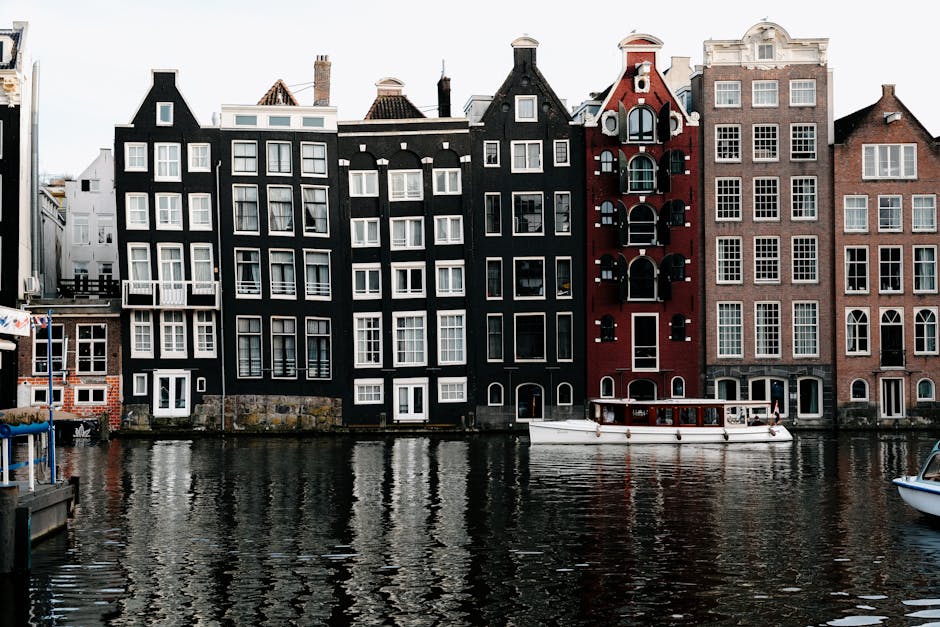 Easy
EasyAmsterdam, Netherlands
Capture the magic of Amsterdam with this self-guided photography walk across the iconic bridges and scenic banks of the Amstel River.
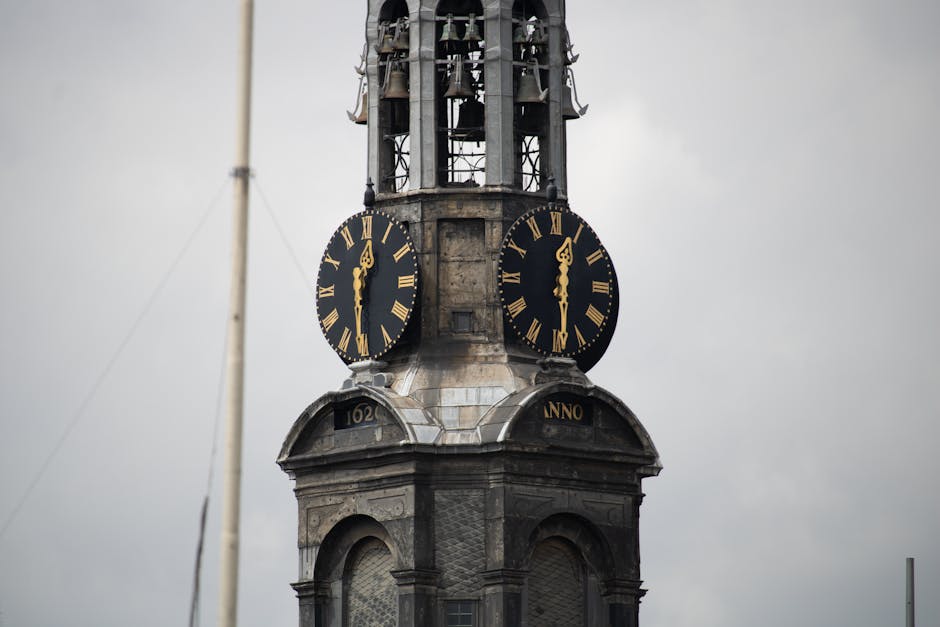 Easy
EasyAmsterdam, Netherlands
Discover the opulent 17th-century mansions and rich history of Amsterdam's famous Canal Belt on this self-guided architectural walking route.