Self-guided audio tour in The Hague
Start Free on iPhone
Hear the stories behind the streets and sights around you as you walk The Hague. Try it free on iPhone.
Your Private Tour Guide
Leave The Hague's government district behind and you reach the Zeeheldenkwartier, where courtyards, Art Nouveau streets and secret gardens line a self-guided route. It's one of the city's best-loved historic neighborhoods, with a relaxed, bohemian feel, and most people who stick to the palace routes never find it. The name means 'Sea Heroes Quarter'. It was built in the late 19th century and is still full of local life, Art Nouveau buildings and tucked-away green spaces. Hidden Courtyards of Zeeheldenkwartier starts at the edge of the city center at the Hof van Wouw, a 17th-century almshouse and a quiet window onto the charitable history of the Netherlands. From there you move into the heart of the quarter, where the streets carry the names of famous Dutch naval explorers. As you go, the buildings change from the small-scale brickwork of the Golden Age to the big, decorated facades of the fin de siècle. The neighborhood's community spirit shows best at the Zeeheldentuin, a hidden garden that residents took back for themselves. Anna Paulownaplein is next, a square that feels more like a corner of Paris than a Dutch seat of government. The walk finishes at Carnegieplein, home to the world-famous Peace Palace. It's a striking switch, from a close-knit neighborhood to The Hague's international role. Come for the historic architecture, or just to find a good coffee away from the crowds. Either way, you'll get a proper look at a part of the city people actually live in. Prefer an audio walk to trailing behind a group? This one suits you. Spend as long as you want in a courtyard, or browse the shops on Piet Heinstraat.
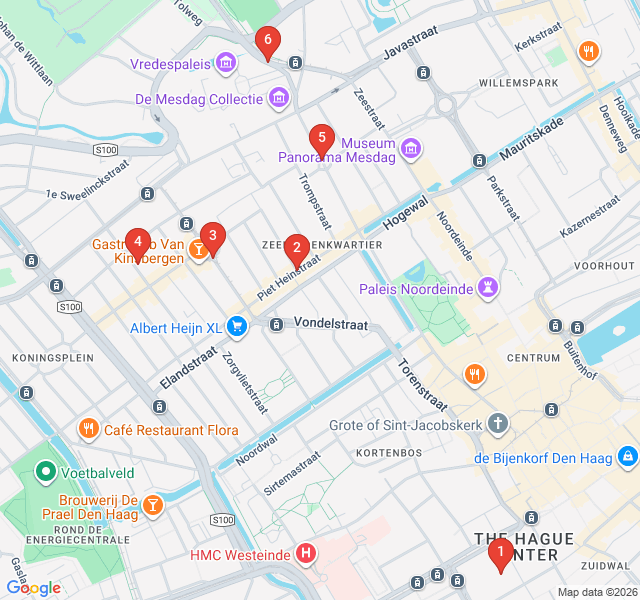
Numbers indicate the order of stops on the tour.
The Hof van Wouw is a real refuge, founded in 1647. This 'hofje', or almshouse, was set up by Cornelia van Wouw to house single women of the Reformed faith. Standing in the carefully kept courtyard, look for the Garden of Hesperides, with its citrus trees and historic plants. Courtyards like this were the social safety net of the 17th century, giving people protection and a community. Many of these spaces are still private homes, and the Hof van Wouw is one of the best-preserved in the city. It shows the step from the Dutch Golden Age toward the modern era. Enjoy the quiet for a moment before heading into the 19th-century streets.
Piet Heinstraat is the main street of the Zeeheldenkwartier. It's named after the 17th-century naval hero Piet Hein, and it sums up the neighborhood's mixed, eclectic character. Keep looking up as you walk. Lots of the buildings have lovely Art Nouveau touches, like curved window frames and decorative tiles. This isn't the formal city center. Here you get independent boutiques, design shops and local bakeries. The street is a good example of how The Hague grew in the late 1800s to make room for a rising middle class, with a neighborhood that was stylish and practical at once. Locals still love shopping here, far from the global chains.
Prins Hendrikplein is the center of the Sea Heroes Quarter. A grand monument and fountain take up the middle of this round square, put up to mark national independence in 1813. Around the edges you'll see some of the best architecture in the district, including houses in the eclectic and neo-Renaissance styles. Local markets and festivals often happen here, so the square works like the neighborhood's shared living room. Look for the sundial and the detailed patterns in the paving. It's a perfect example of the Dutch idea of 'gezelligheid', that cozy feeling of belonging that runs right through the Zeeheldenkwartier.
Few visitors know about the Zeeheldentuin, the 'Sea Heroes Garden', and its story shows what a neighborhood can do. A school building used to stand here. When it was knocked down, residents fought to turn the empty lot into a public garden instead of a parking garage. They won. Now it's a green, sustainable park looked after by volunteers, with a vegetable garden, a playground built from natural materials and quiet corners for reading. You could call it a modern version of the Dutch 'hofje' tradition, a shared green space that brings neighbors together. It's one of the area's best-kept secrets. Sit for a few minutes and listen to the birds, right in the middle of the city.
Anna Paulownaplein is often named one of the most beautiful squares in The Hague, and it has a distinctly European elegance. It's named after the Russian Grand Duchess who became Queen of the Netherlands. Stately white-plastered buildings and tall trees line the square. The mood is polished but relaxed, with a few upmarket cafes and restaurants spilling out onto the pavement. The architecture reflects the wealth and outward-looking attitude of The Hague in the late 19th century. Walking through, you may feel you've wandered into a quiet corner of Paris. It's a good reminder of how much variety one neighborhood can hold. Stop for a drink if the sun's out.
Carnegieplein is the last stop, and the Peace Palace towers over it. The building is the seat of the International Court of Justice and the Permanent Court of Arbitration. It was paid for by American philanthropist Andrew Carnegie and finished in 1913, and it stands for the city's role as the International City of Peace and Justice. At the entrance to the square you'll find the Eternal Peace Flame, ringed by a path of stones from countries all over the world. From here the contrast is clear: the lived-in streets of the Zeeheldenkwartier behind you, and this monumental, global landmark in front. A fitting end to a walk through the many layers of The Hague.
Explore Mode
Open Zigway, start Explore Mode and just walk. Your guide notices where you are and tells you the story of what's around you, on this route or any street you turn into.
Start Free on iPhone
Open Zigway as you walk and your private tour guide tells the stories behind what you pass.
Your Private Tour Guide
Don't miss the good stuff
Explore Freely
 Easy
The Hague, Netherlands
Explore The Hague’s artistic soul on this self-guided walk from Golden Age treasures to the mind-bending illusions of M.C. Escher.
 Moderate
The Hague, Netherlands
Explore the heart of international law on this self-guided walk through The Hague’s world-renowned Peace and Justice district.
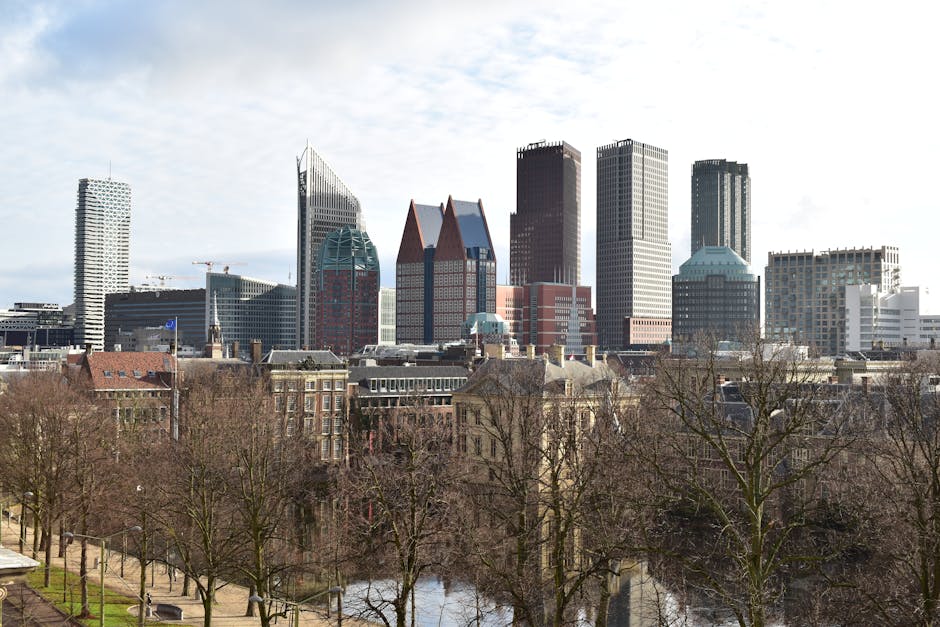 Easy
The Hague, Netherlands
Discover the liquid history of The Hague on this self-guided walk through historic distilleries, vibrant markets, and iconic local pubs.
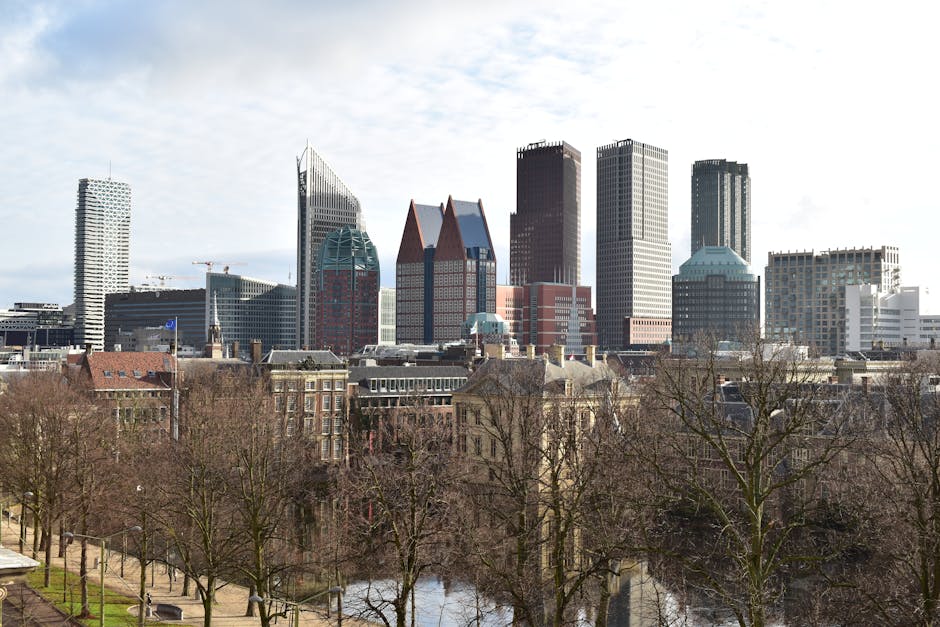 Moderate
The Hague, Netherlands
Explore the gritty, creative soul of The Hague's industrial district on this self-guided street art and architecture walk.
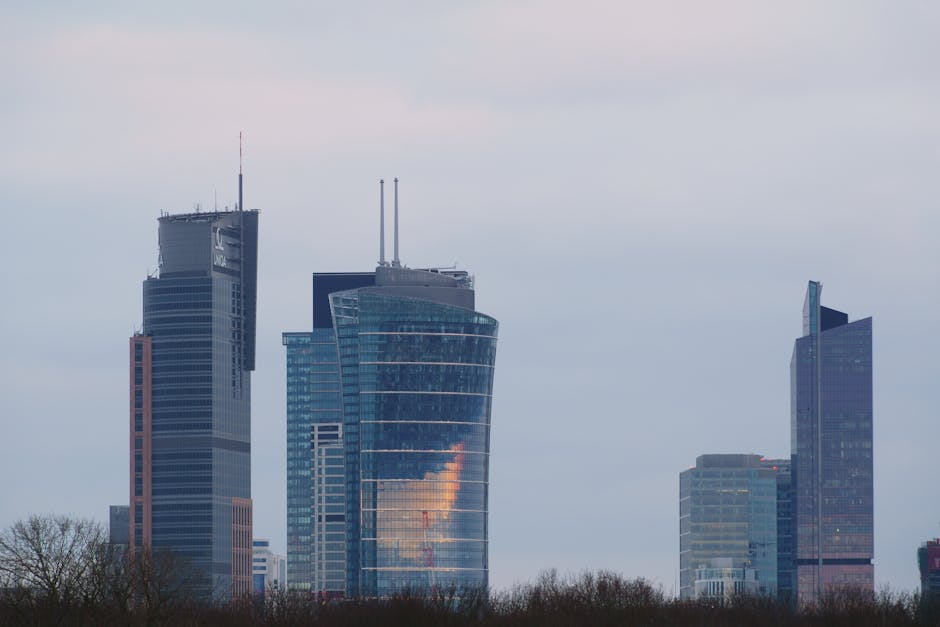 Easy
Warsaw, Poland
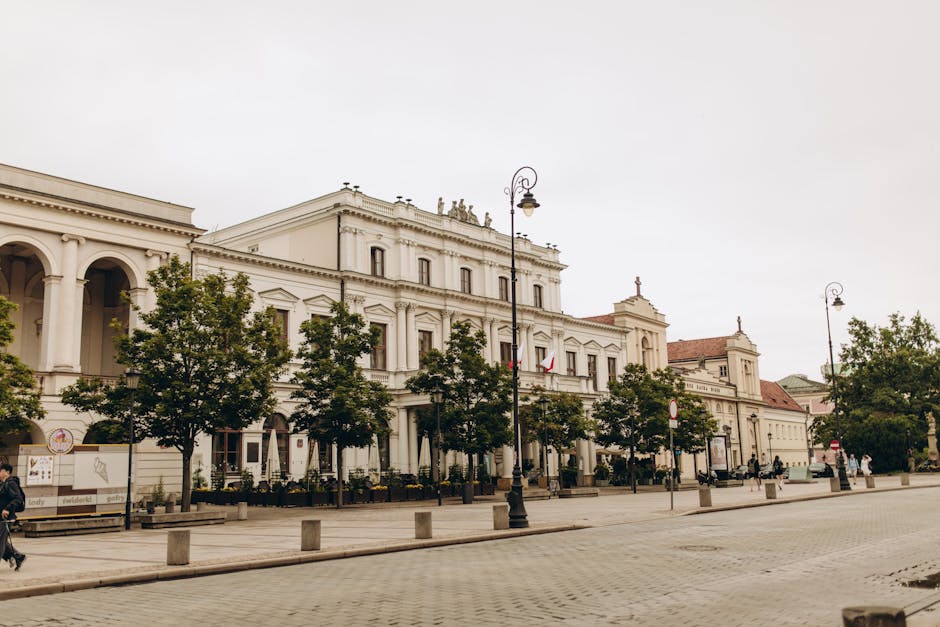
Discover the hidden courtyards and grand pre-war architecture of Warsaw's most atmospheric neighborhood on this self-guided stroll.
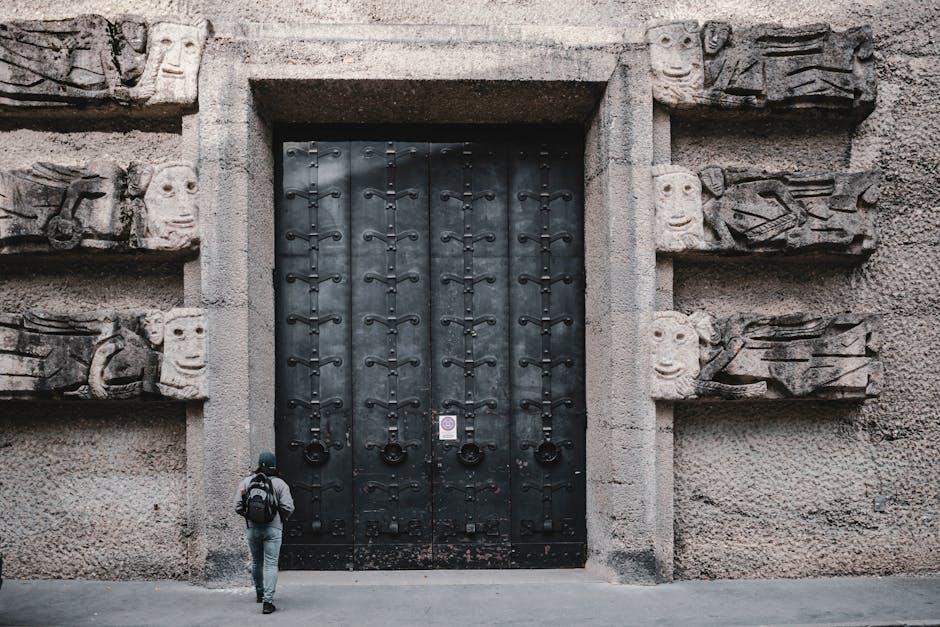 Easy
Salzburg, Austria
Discover Salzburg's oldest medieval alley, the birthplace of the 'Silent Night' author, and breathtaking views on this quiet self-guided walk.
 Easy
Warsaw, Poland
Explore Warsaw's scenic riverfront, rooftop gardens, and industrial-chic architecture on this self-guided stroll through the Powiśle district.
 Easy
Helsinki, Finland
Discover Helsinki's oldest neighborhood on this self-guided audio walk through Kruununhaka’s historic streets, hidden courtyards, and scenic shores.
 Easy
Amsterdam, Netherlands
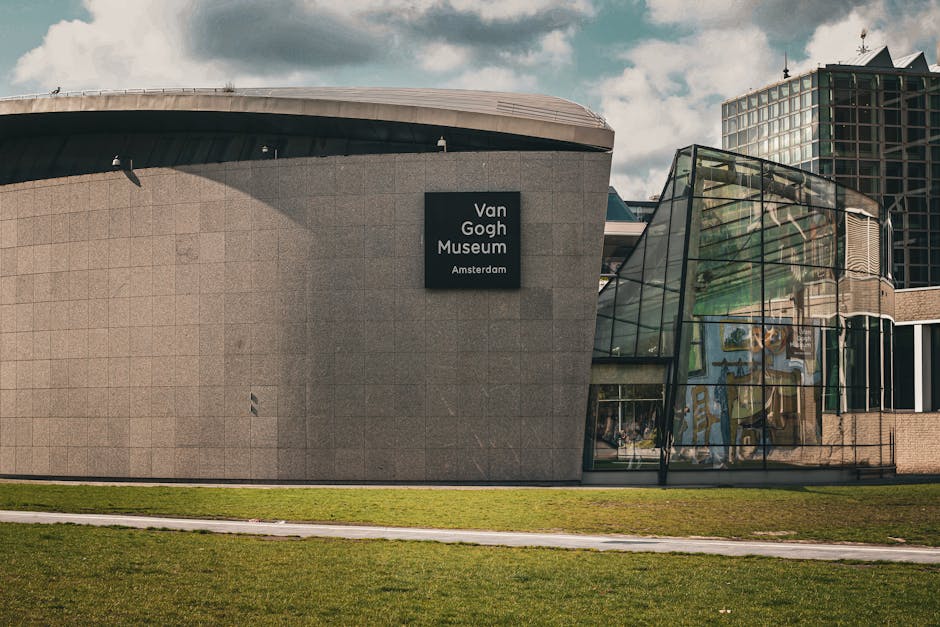
Discover Amsterdam's cultural heart on this self-guided walk from the iconic Museumplein to the serene blooming gardens of Vondelpark.
 Easy
Amsterdam, Netherlands
Discover Amsterdam's literary heart on this self-guided walk through historic bookshops, writers' haunts, and the homes of revolutionary thinkers.
 Easy
Amsterdam, Netherlands
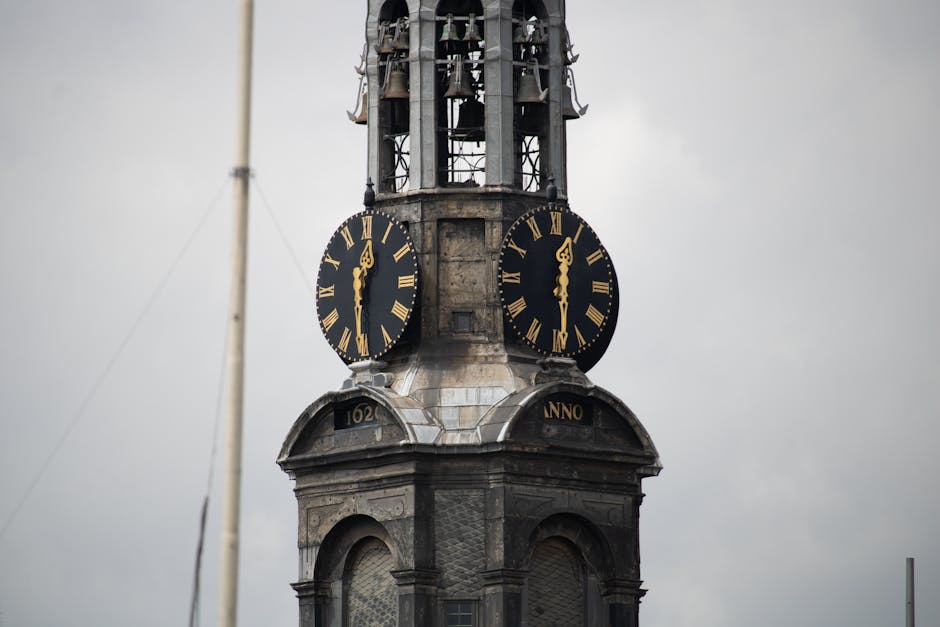
Capture the magic of Amsterdam with this self-guided photography walk across the iconic bridges and scenic banks of the Amstel River.
 Easy
Amsterdam, Netherlands
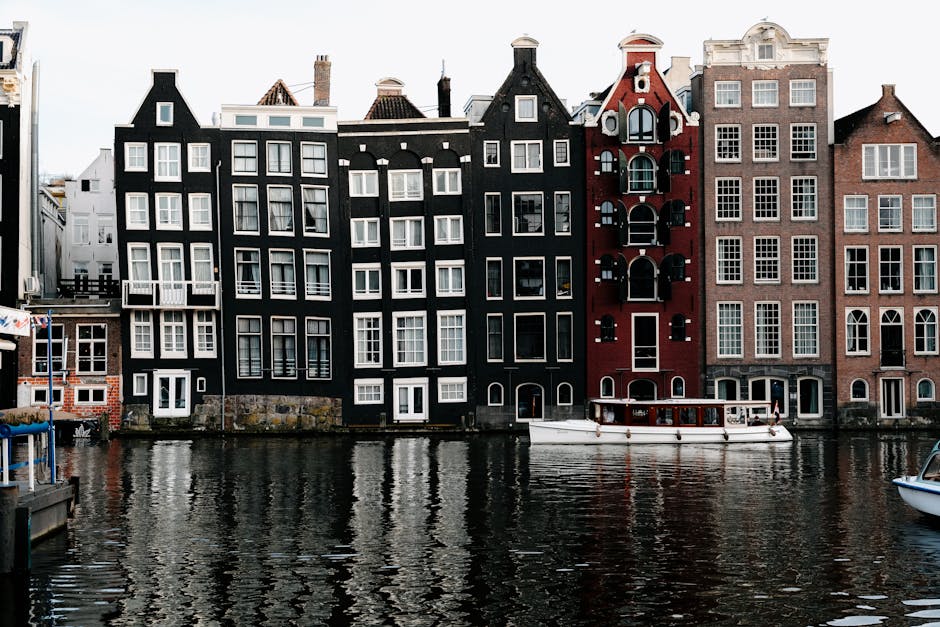
Discover the opulent 17th-century mansions and rich history of Amsterdam's famous Canal Belt on this self-guided architectural walking route.