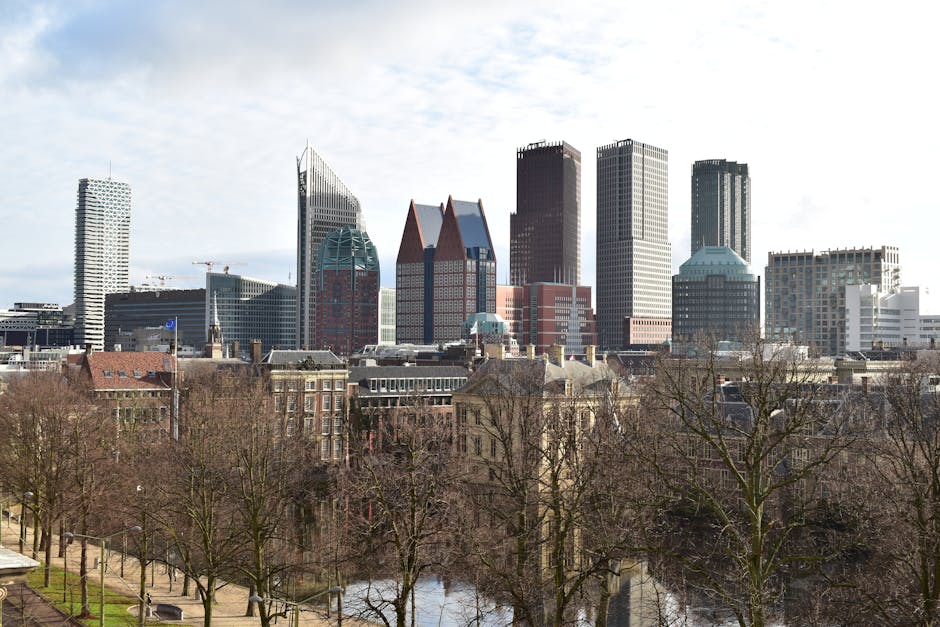
Self-guided audio tour in The Hague
Start Free on iPhone
Start free on iPhone to unlock this self-guided walking tour in The Hague. Hear all the stories that make it amazing, walk at your own pace, and begin whenever you want.
Your Private Tour Guide
Step into a world where architectural grandeur meets the refined lifestyle of The Hague’s most prestigious neighborhood. This self-guided walk through the Statenkwartier and beyond reveals the city's evolution from a 14th-century settlement to a global hub of international law and modern design. As you explore independently, you will encounter the organic curves of Art Nouveau, the rigid geometry of the De Stijl movement, and the sleek glass facades of contemporary academia. The journey begins at the iconic Kunstmuseum Den Haag, a masterpiece by H.P. Berlage that serves as a temple to modern art. From there, the route winds past the secure gates of the Catshuis and the serene greenery of Park Sorghvliet, offering a glimpse into the diplomatic heart of the Netherlands. You will stand before the majestic Peace Palace, an architectural symbol of global harmony, before diving into the historic city center. Here, the contrast between the Gothic Grote Kerk and the 19th-century elegance of The Passage—the oldest covered shopping arcade in the country—showcases the city's layered history. This walking route also highlights the 'New Hague' with the striking white architecture of the Central Library and the vibrant student energy at Leiden University’s Wijnhaven campus. The final leg brings you back toward the coast, concluding in the heart of the Statenkwartier. You will stroll down the Aert van der Goesstraat and the famous Frederik Hendriklaan, known locally as 'The Fred.' This area is a living gallery of early 20th-century residential architecture, characterized by ornate brickwork, decorative balconies, and stained glass. Whether you are a photography enthusiast capturing the play of light on brick or a history buff tracing the footsteps of royals and diplomats, this neighborhood stroll offers a sophisticated perspective on the administrative capital of the Netherlands. Discover at your own pace how The Hague balances its royal heritage with a forward-looking architectural spirit.
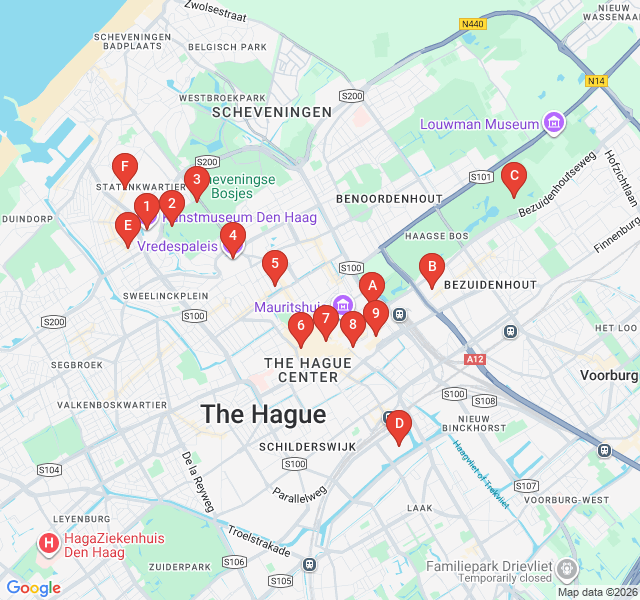
Numbers indicate the order of stops on the tour.
Start your self-guided adventure at the Kunstmuseum Den Haag, a landmark of modern architecture. Designed by the renowned architect H.P. Berlage and completed in 1935, this building is celebrated for its use of yellow brick and innovative spatial layout. Berlage intended the museum to be a 'temple for the arts,' using a modular system based on the size of a single brick. As you admire the exterior, notice the rhythmic windows and the reflection ponds that enhance the building's geometric purity. Inside, the museum houses the world's largest collection of Piet Mondrian's works, including his final masterpiece, Victory Boogie Woogie. The museum’s design was revolutionary for its time, emphasizing natural light and a logical flow between galleries, making it a fitting starting point for a walk focused on elegance and design.
A short walk brings you to the gates of the Catshuis, the official residence of the Prime Minister of the Netherlands. Built in 1652 by the famous poet and politician Jacob Cats, this stately mansion is tucked away behind high walls for security and privacy. While the house itself is not open to the public, its presence marks the beginning of the diplomatic zone of The Hague. The architecture is a classic example of Dutch Classicism, though it has undergone several renovations over the centuries. It serves as a prestigious venue for receiving world leaders and hosting significant political summits. The surrounding estate reflects the tradition of grand country houses that once dotted the outskirts of the city before urban expansion turned this area into the sophisticated Statenkwartier.
Adjacent to the Catshuis lies Park Sorghvliet, a hidden gem of greenery with a long and storied history. This park was originally part of the estate of Jacob Cats, who used it as a place of 'care-fleeing' (the literal meaning of Sorghvliet). Today, it is a protected nature reserve and one of the most exclusive green spaces in the city. Entry is limited to those with a special annual pass, which helps preserve its tranquil atmosphere and diverse flora. Even from the perimeter, you can appreciate the dense woodland and the sense of seclusion it offers from the surrounding city. The park's layout still retains elements of 17th-century landscape design, providing a lush backdrop to the architectural marvels nearby.
The Peace Palace, or Vredespaleis, is perhaps the most photographed building in The Hague. Completed in 1913, it was funded by American philanthropist Andrew Carnegie to house the Permanent Court of Arbitration. The architecture is an eclectic mix of Neo-Renaissance and Gothic styles, featuring a prominent clock tower and intricate stone carvings. It represents a monumental dream of world peace and international cooperation. Look closely at the gates and the facade; many nations contributed materials and artworks to its construction, from Italian marble to Japanese tapestries. Today, it remains the seat of the International Court of Justice, the only principal organ of the United Nations located outside of New York. The eternal peace flame burns just outside the main gates, a symbol of hope for global harmony.
Located in a striking historic building on the Kortenaerkade, the International Institute of Social Studies is part of Erasmus University Rotterdam. The building itself is a fine example of early 20th-century institutional architecture, formerly serving as the headquarters of the Dutch postal and telecommunications service (PTT). Its grand facade and large windows reflect the importance of the work done inside, where students from across the globe gather to study international development and social change. The presence of the ISS adds a vibrant, international academic atmosphere to the neighborhood, bridging the gap between the diplomatic Peace Palace and the historic city center. It is a testament to how The Hague repurposes its historic structures for modern, global missions.
As you move into the heart of the old city, the Grote of Sint-Jacobskerk stands as one of the oldest buildings in The Hague. Dating back to the 14th and 15th centuries, this Gothic church is notable for its unique hexagonal tower, which is one of the tallest in the Netherlands. The tower offers a distinct silhouette against the city skyline and was historically used as a lookout point. Inside, many members of the House of Orange-Nassau have been baptized or married, highlighting the church's deep royal connections. The brickwork and the intricate stained-glass windows are beautiful examples of medieval craftsmanship, providing a stark but harmonious contrast to the modern glass and steel structures that now dominate the nearby business district.
Prepare to be transported back to the 19th century as you enter The Passage. Built in 1885, this is the oldest covered shopping mall in the Netherlands and a stunning example of Neo-Renaissance architecture. The high glass ceilings, decorative stucco, and marble floors were inspired by the grand galleries of Paris. It was designed to provide the city's elite with a sheltered place to shop for luxury goods, away from the rain and wind. As you walk through, notice the intricate ironwork and the elegant shopfronts that still retain their historic charm. The newer extension, which connects to the Grote Marktstraat, offers a modern interpretation of this classic design, blending the old world with the new in a seamless architectural transition.
In dramatic contrast to the historic Passage, the Central Library is a masterpiece of contemporary architecture. Part of the larger City Hall complex designed by American architect Richard Meier, the building is often referred to as the 'Ice Palace' due to its brilliant white exterior and extensive use of glass. Completed in 1995, the design emphasizes light, transparency, and geometric order—hallmarks of Meier's signature style. The soaring central atrium is one of the largest indoor public spaces in Europe, creating a sense of openness and accessibility. It serves as a modern civic hub, where the city’s administration and cultural life converge. The building’s crisp lines and minimalist aesthetic make it a favorite subject for architectural photographers.
The Wijnhaven campus of Leiden University represents the modernization of The Hague’s city center. This sleek, multi-functional building was once a government ministry, now transformed into a state-of-the-art academic facility. The renovation preserved the building's scale while introducing a modern glass facade and open-plan interiors that foster collaboration. It houses the Faculty of Governance and Global Affairs, further cementing The Hague's reputation as a center for international policy and law. The bustling student life here brings a youthful energy to the district, and the surrounding plaza is a great place to observe the mix of historic canal houses and bold, new skyscrapers that define the city's evolving urban landscape.
The Royal Academy of Art (KABK) is the oldest art academy in the Netherlands, founded in 1682. The current building is a fascinating mix of architectural styles, reflecting its long history of expansion. It serves as the creative heart of the city, where generations of artists and designers have been trained. The academy's presence is felt in the surrounding streets, which are often filled with students and avant-garde art installations. The architecture itself, with its industrial-style studios and grand exhibition halls, speaks to the institution's commitment to both tradition and innovation. It is here that the next generation of Dutch designers is shaped, continuing the country's long legacy of excellence in the visual arts.
The Inholland University of Applied Sciences building is another example of modern educational architecture in The Hague. Located near the central transit hubs, its design focuses on functionality and transparency. Large glass panels allow passersby to see the activity within, reflecting a modern approach to education that is open to the city. The building’s contemporary aesthetic contributes to the 'Knowledge Quarter' of The Hague, an area where academic institutions, government bodies, and international organizations are clustered together. This proximity encourages a unique synergy between study and practice, particularly in fields like law, business, and social sciences, which are central to the city's identity.
Heading toward the lush Haagse Bos forest, you will find Huis ten Bosch, one of the three official residences of the Dutch monarch. Built in the mid-17th century, it is a prime example of Dutch Baroque architecture. The palace is most famous for its Oranjezaal, a ballroom decorated with spectacular paintings from the Dutch Golden Age. While the palace itself is the private residence of King Willem-Alexander and his family and is not open to the public, the surrounding parkland offers a majestic view of the estate. The long, tree-lined drive and the elegant facade provide a glimpse into the royal heritage that is so deeply woven into the fabric of The Hague. It is a place of quiet dignity, surrounded by the oldest woodland in the country.
Located near the Holland Spoor railway station, the main building of The Hague University of Applied Sciences (THUAS) is a striking landmark of modern design. Completed in the late 1990s, the campus is characterized by its large, curved glass atrium and interconnected wings. The design was intended to create a 'city within a city,' with internal streets and plazas that encourage interaction among its thousands of international students. The architecture reflects the university's focus on global citizenship and practical innovation. Its location in a former industrial area highlights the city's ongoing urban renewal efforts, transforming old docklands into a vibrant district for education and technology.
As you return to the Statenkwartier, you enter the Aert van der Goesstraat, a charming shopping street that serves as a prelude to the neighborhood's grander avenues. This street is lined with specialized boutiques, artisanal bakeries, and cozy cafes, reflecting the upscale yet local character of the area. The architecture here is typical of the early 20th century, with brick facades and decorative details that hint at the Art Nouveau style prevalent in the district. It is a favorite spot for locals to do their daily shopping or enjoy a coffee, offering a more intimate atmosphere compared to the bustling city center. The street's human scale and community feel make it an essential part of the Statenkwartier experience.
Conclude your walking route on the Frederik Hendriklaan, affectionately known by locals as 'The Fred.' This nearly kilometer-long shopping street is the heart of the Statenkwartier and is widely considered one of the most beautiful shopping avenues in the Netherlands. As you stroll, look up to see the magnificent Art Nouveau and Art Deco details on the upper floors of the buildings. These include ornate balconies, colorful tile work, and elegant bay windows. The street was developed around the turn of the 20th century to serve the affluent residents of the new neighborhood. Today, it remains a vibrant mix of high-end international brands and unique local shops. It is the perfect place to end your walk, perhaps with a meal at one of its many refined restaurants, while soaking in the architectural elegance that defines this unique corner of The Hague.
Start Free on iPhone
Explore “Art Nouveau Elegance in Statenkwartier” with your very own Private Tour Guide with Zigway. Start free on iPhone, skip the large group and the fixed routes, and hear the city come alive as you go.
Your Private Tour Guide
Don't miss the good stuff
Explore Freely
 Easy
EasyThe Hague, Netherlands
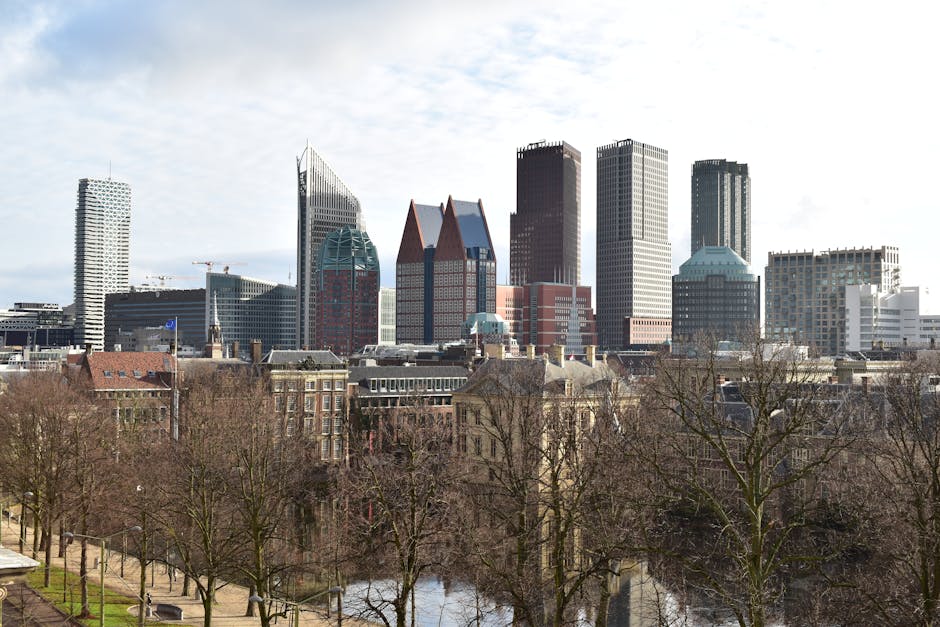
Explore The Hague’s artistic soul on this self-guided walk from Golden Age treasures to the mind-bending illusions of M.C. Escher.
 Moderate
The Hague, Netherlands
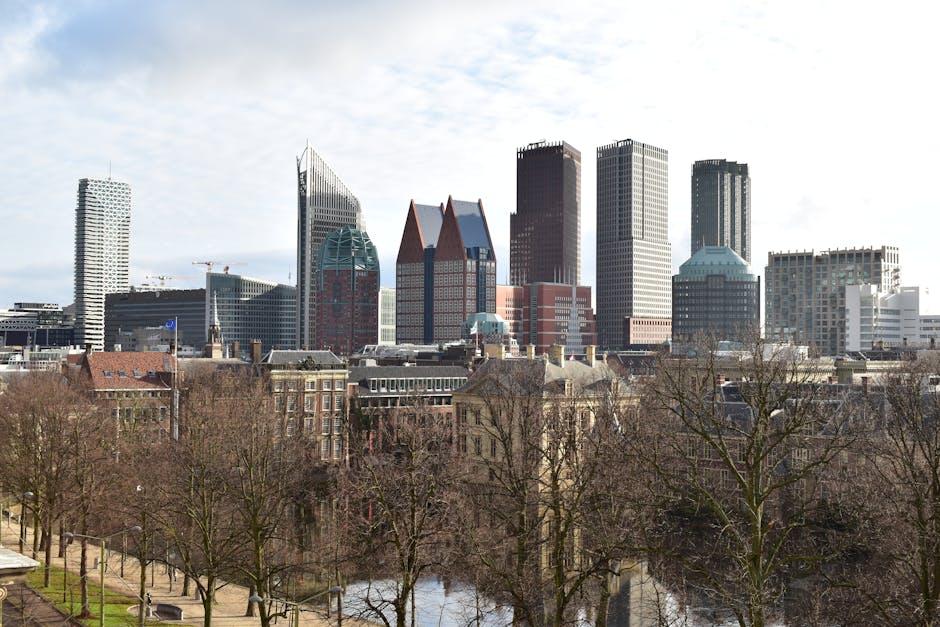
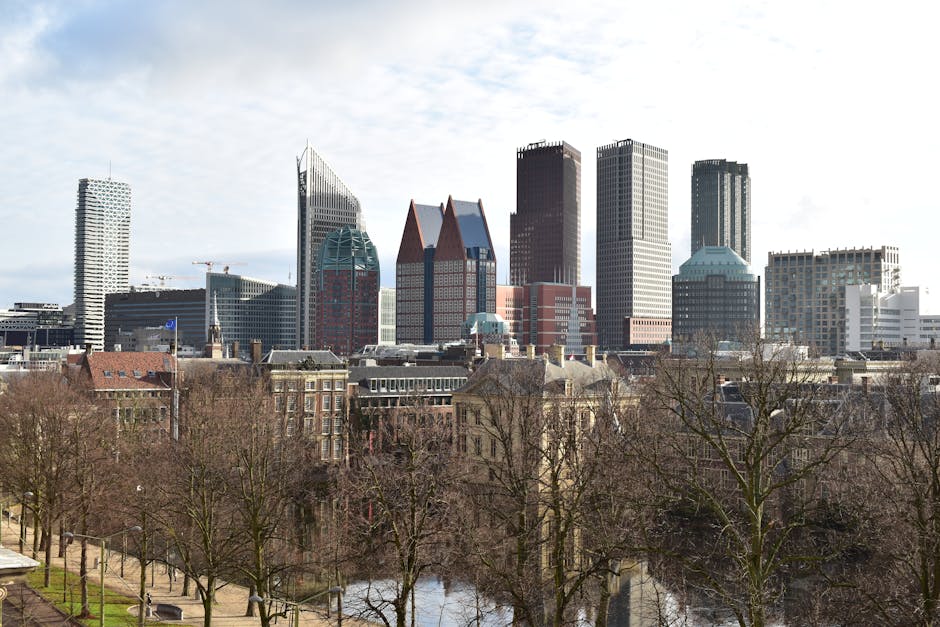
Explore the heart of international law on this self-guided walk through The Hague’s world-renowned Peace and Justice district.
 Easy
EasyThe Hague, Netherlands
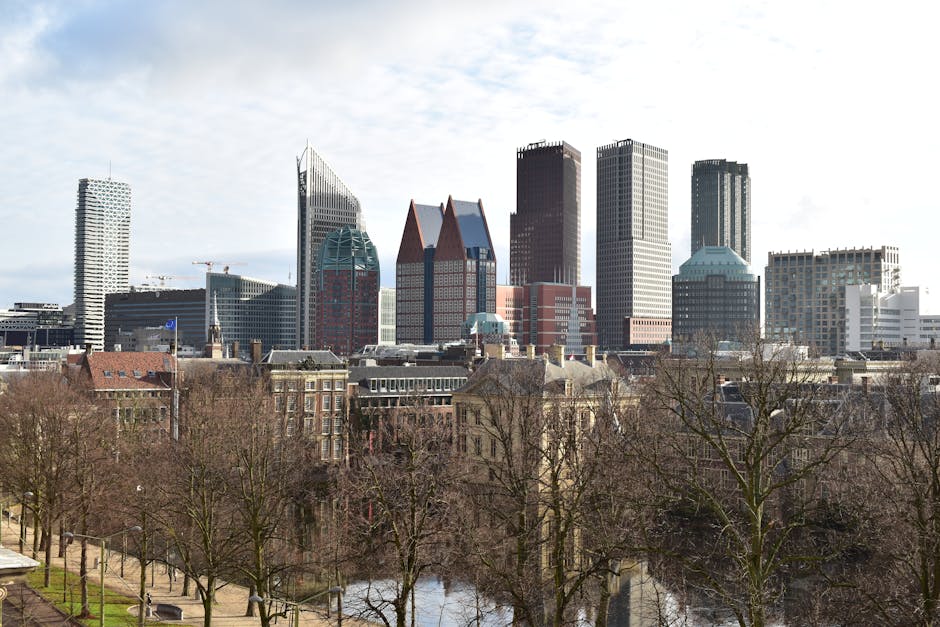
Discover the liquid history of The Hague on this self-guided walk through historic distilleries, vibrant markets, and iconic local pubs.
 Moderate
The Hague, Netherlands
Explore the gritty, creative soul of The Hague's industrial district on this self-guided street art and architecture walk.
 Moderate
Gdansk, Poland
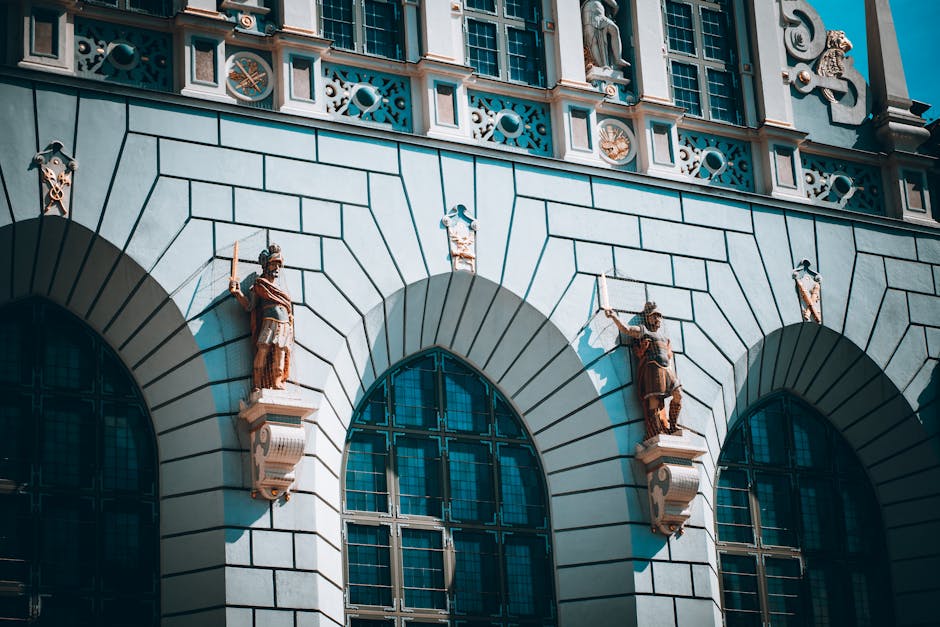
Discover Zaspa, a massive open-air gallery where grey housing blocks are transformed by over 60 monumental murals. Explore at your own pace.
 Moderate
Gothenburg, Sweden
Discover Gothenburg’s maritime soul on this self-guided walk from the historic Central Station to the scenic riverfront at Stenpiren.
 Easy
EasyGothenburg, Sweden
Explore Gothenburg’s historic wooden houses, legendary giant cinnamon buns, and panoramic fortress views on this self-guided neighborhood stroll.
 Moderate
Vienna, Austria
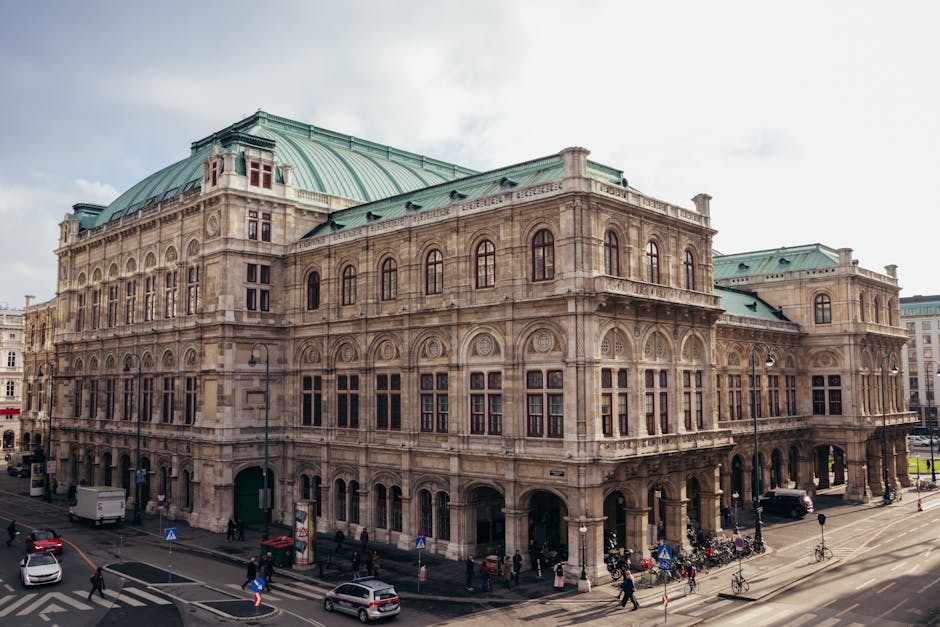
Follow the footsteps of Mozart and Strauss through Vienna’s historic center on this self-guided walk through the city's rich musical history.
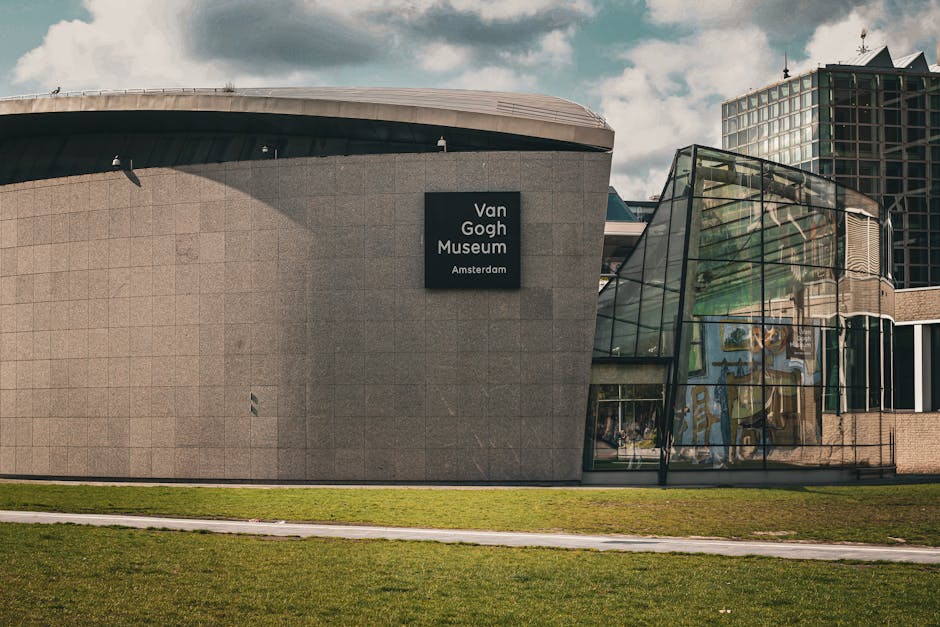 Easy
EasyAmsterdam, Netherlands
Discover Amsterdam's cultural heart on this self-guided walk from the iconic Museumplein to the serene blooming gardens of Vondelpark.
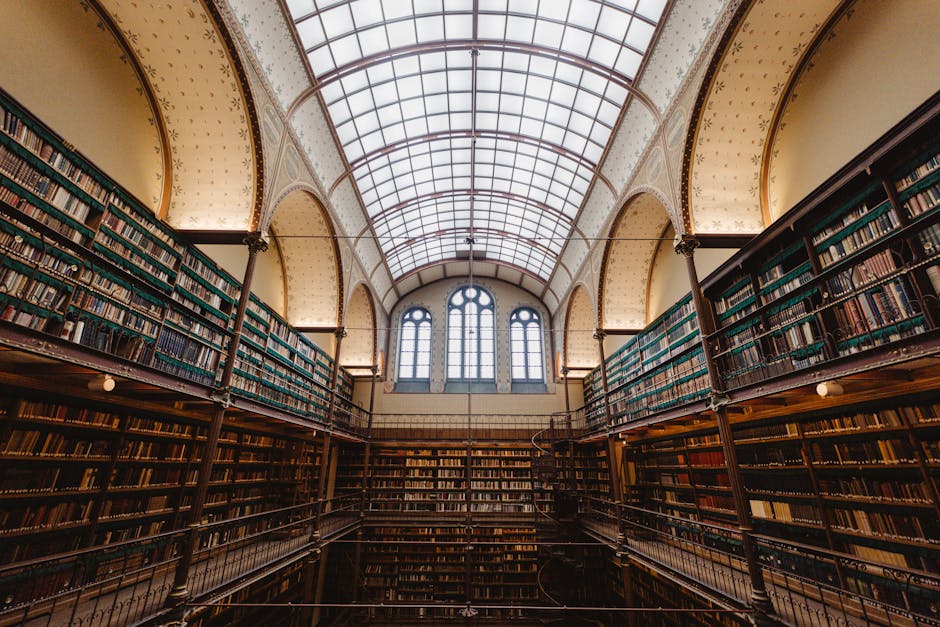 Easy
EasyAmsterdam, Netherlands
Discover Amsterdam's literary heart on this self-guided walk through historic bookshops, writers' haunts, and the homes of revolutionary thinkers.
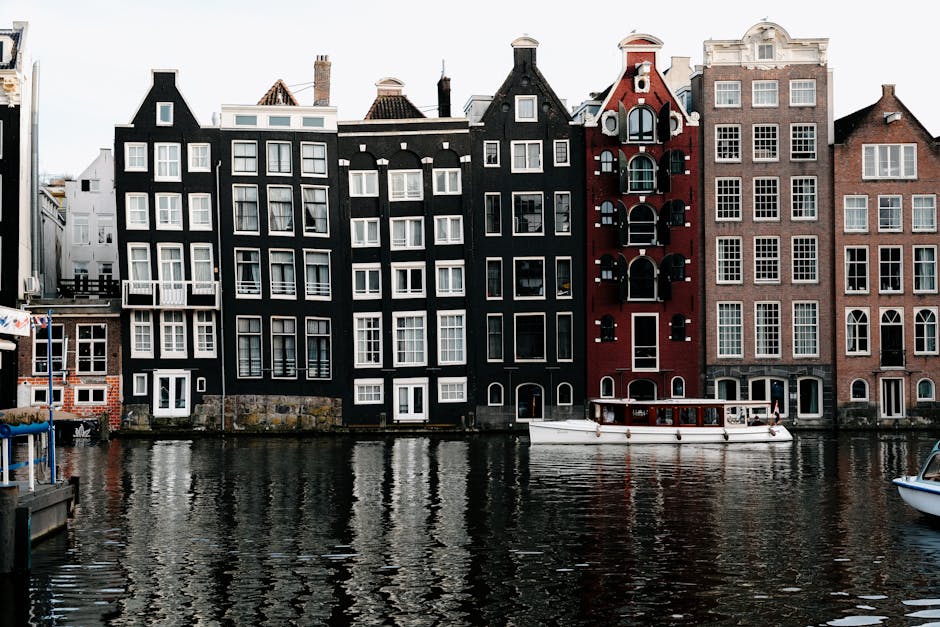 Easy
EasyAmsterdam, Netherlands
Capture the magic of Amsterdam with this self-guided photography walk across the iconic bridges and scenic banks of the Amstel River.
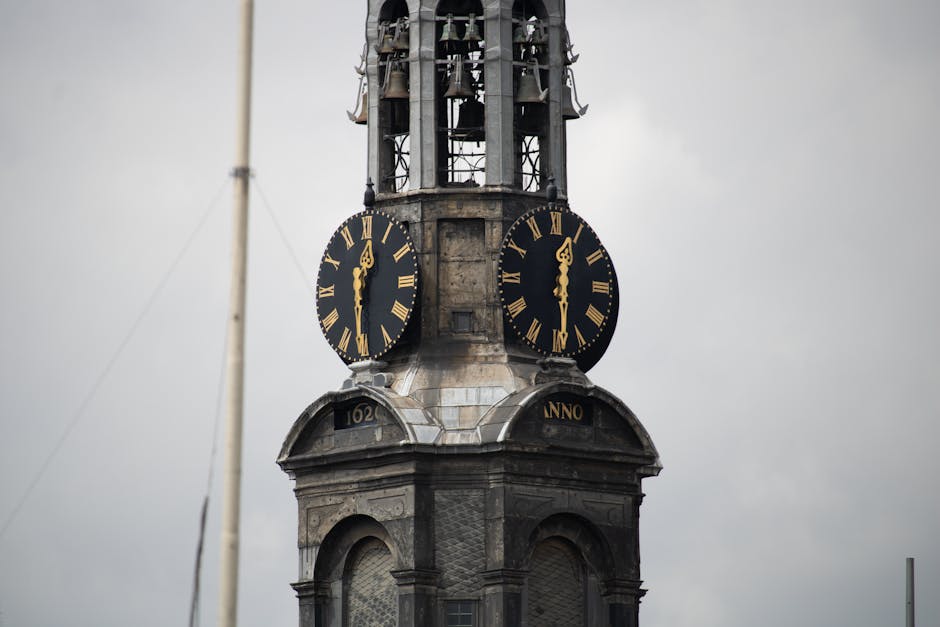 Easy
EasyAmsterdam, Netherlands
Discover the opulent 17th-century mansions and rich history of Amsterdam's famous Canal Belt on this self-guided architectural walking route.