Self-guided audio tour in Lyon
Start Free on iPhone
Start free on iPhone to unlock this self-guided walking tour in Lyon. Hear all the stories that make it amazing, walk at your own pace, and begin whenever you want.
Your Private Tour Guide
Rising above the confluence of the Rhône and Saône, the Croix-Rousse district is known as 'the hill that works.' This neighborhood stroll explores the heart of Lyon’s historic silk industry, where the rhythmic clatter of looms once echoed through the streets. Unlike the religious 'hill that prays' on Fourvière, Croix-Rousse was the domain of the Canuts—the master silk weavers who shaped the city’s economy and its revolutionary spirit. On this self-guided walk, you will trace the steps of the 19th-century rebels who fought for fair wages and dignity in one of the first major worker uprisings of the industrial age. The route takes you through architectural marvels unique to this trade. Notice the exceptionally high windows designed to accommodate massive Jacquard looms and the hidden network of 'traboules.' These secret passageways allowed weavers to transport precious silk fabrics sheltered from the rain and later served as strategic arteries for resistance during the rebellions. As you climb the slopes, the history of Lyon unfolds through its stones and murals. You will encounter the Cour des Voraces, a monumental courtyard that served as a headquarters for weaver cooperatives, and the Place de la Croix-Rousse, where the community gathered. The journey concludes at the Mur des Canuts, a breathtaking mural that captures the soul of the neighborhood. This walking tour Lyon provides a profound look at the identity of the city. This self-guided adventure allows you to pause at local artisan boutiques or enjoy a coffee in a vibrant plaza, exploring at your own pace. Discover the resilience and artistry of the Canuts as you navigate the winding 'montées' and secret alleys of this UNESCO World Heritage site. This walking route is more than a historical exploration; it is an immersion into a community that valued craftsmanship and social justice.
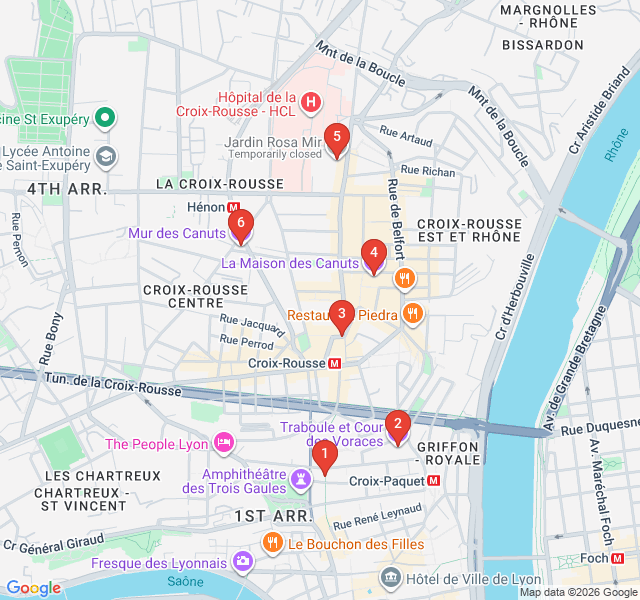
Numbers indicate the order of stops on the tour.
Begin your self-guided adventure at the base of this ancient Roman road. The Montée de la Grande Côte was the main artery connecting the city center to the village of Croix-Rousse. As you begin the ascent, notice how the atmosphere shifts from the urban bustle of Terreaux to a more village-like feel. This street was central to the 1831 Canut rebellion, as workers marched down these very stones to demand a fixed price for their silk. The buildings here feature the characteristic high ceilings and tall windows necessary for the large looms of the 19th century. Take a moment to look back as you climb; the view of Lyon's rooftops opening up behind you is one of the best in the city.
Step into the most famous 'traboule' in Lyon. The Cour des Voraces is a six-story courtyard featuring a stunning, monumental stone staircase. The name 'Voraces' refers to a mutual aid society of silk weavers who were known for their fierce independence and revolutionary fervor. During the uprisings, these hidden passages allowed the Canuts to move quickly and unseen through the neighborhood, surprising the authorities. This space is a testament to the collective spirit of the weavers. Notice the functional beauty of the architecture, designed to facilitate the movement of heavy silk rolls while providing a shared space for the community of workers who lived and labored in these buildings.
Arrive at the plateau, the heart of the district. This lively square is home to the 'Gros Caillou,' a massive gray rock unearthed during the construction of the funicular in the 1860s. It has become a symbol of the neighborhood’s geological and social strength. This square was the site of many political gatherings and remains the social hub of the hill. On market days, it transforms into a vibrant display of local produce and textiles. Take a breath here after your climb and soak in the local atmosphere. The plateau feels like a separate village within Lyon, a legacy of its time as an independent commune before being annexed to the city in 1852.
To truly understand the technical brilliance of the silk industry, one must look at the tools of the trade. At this location, the story of the Jacquard loom comes to life. Invented in 1801, this programmable loom revolutionized textile production using a system of punched cards—a precursor to modern computing. The Canuts were not just laborers; they were highly skilled artisans who managed complex machinery in their own homes. This site explains how the social structure of the 'Fabrique' worked, where master weavers, apprentices, and merchants existed in a delicate balance. The riots of 1831 were sparked by the refusal of merchants to honor a minimum price for silk, highlighting the struggle for fair labor.
Tucked away behind a modest stone wall lies one of Lyon's most enchanting hidden gems. The Jardin Rosa Mir is a labor of love created by Jules Senis, a Spanish refugee who dedicated twenty years to building this mosaic sanctuary. After recovering from a serious illness, Senis promised to create a garden of peace. Using thousands of seashells, stones, and desert roses, he crafted a space that feels like a blend of Gaudí’s surrealism and Byzantine artistry. While it post-dates the original Canut rebellions, it embodies the same spirit of independent craftsmanship that defines the Croix-Rousse. The garden is a quiet retreat dedicated to the creator's mother and serves as a reminder of the artistic soul of this hill.
Conclude your walking route at the largest trompe-l’œil mural in Europe. The Mur des Canuts covers over 1,200 square meters and depicts the daily life and architecture of the Croix-Rousse. What makes this mural special is that it is updated every decade to reflect the aging and evolution of the neighborhood's residents. Look closely to find the silk looms, the steep staircases you have just climbed, and the local characters that define the area. It is a living tribute to the heritage of the silk weavers and the modern community that continues their legacy of creativity. This masterpiece perfectly captures the verticality and the vibrant spirit of the 'hill that works.'
Start Free on iPhone
Explore “The Silk Weavers' Rebellion Route” with your very own Private Tour Guide with Zigway. Start free on iPhone, skip the large group and the fixed routes, and hear the city come alive as you go.
Your Private Tour Guide
Don't miss the good stuff
Explore Freely
 Easy
EasyLyon, France
Discover Lyon's culinary soul on this self-guided walk from historic Presqu'île to the legendary Halles Paul Bocuse food market.
 Easy
EasyLyon, France
Explore Lyon’s futuristic waterfront! A self-guided walk through Confluence’s bold architecture and reclaimed industrial docks.
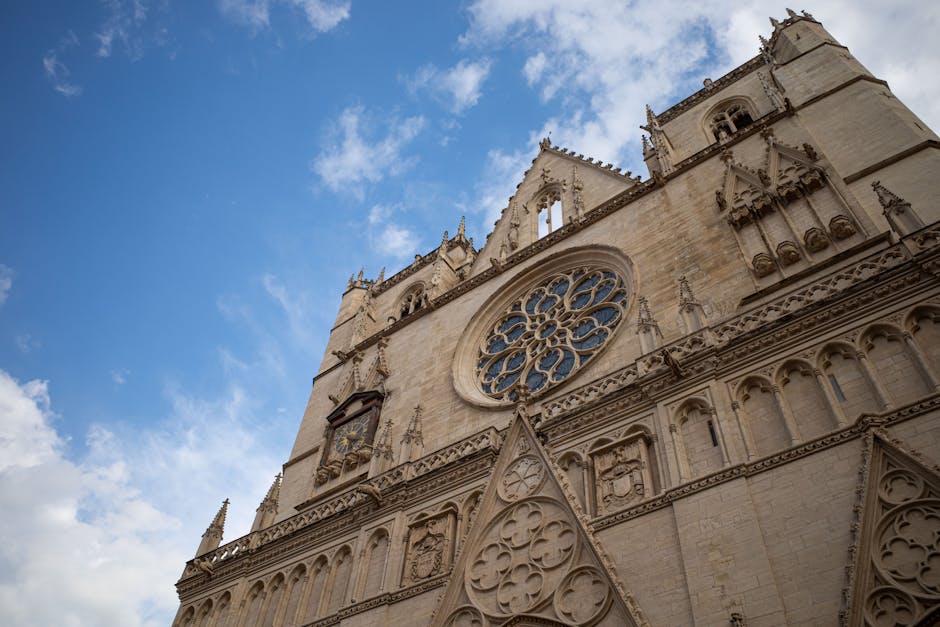 Easy
EasyLyon, France
Discover the multicultural soul and industrial heritage of Lyon's 7th arrondissement on this vibrant self-guided walking route.
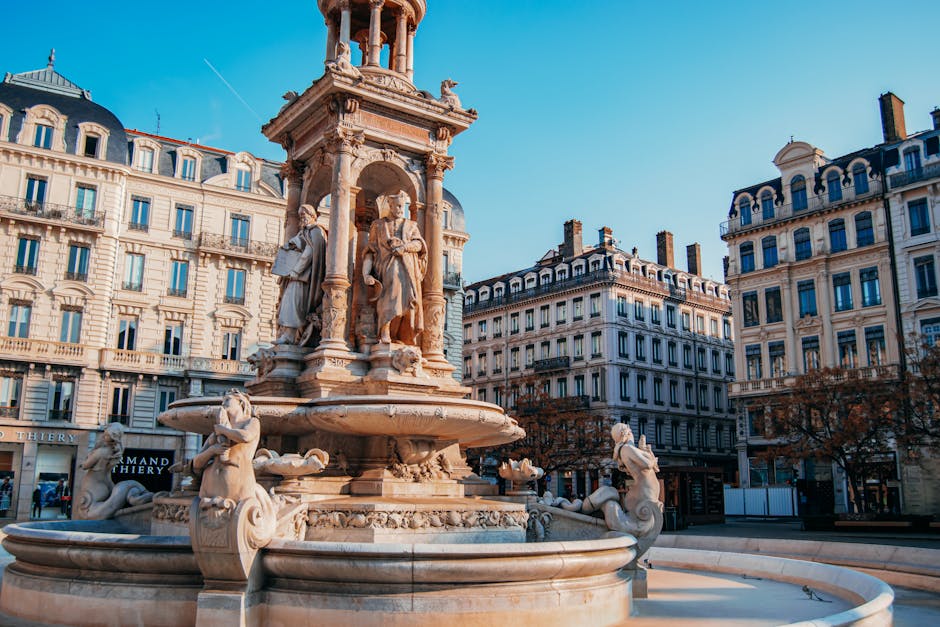 Moderate
Lyon, France
Ascend the 'Hill that Prays' to explore Roman ruins, a shimmering basilica, and secret panoramic gardens on this historic self-guided walk in Lyon.
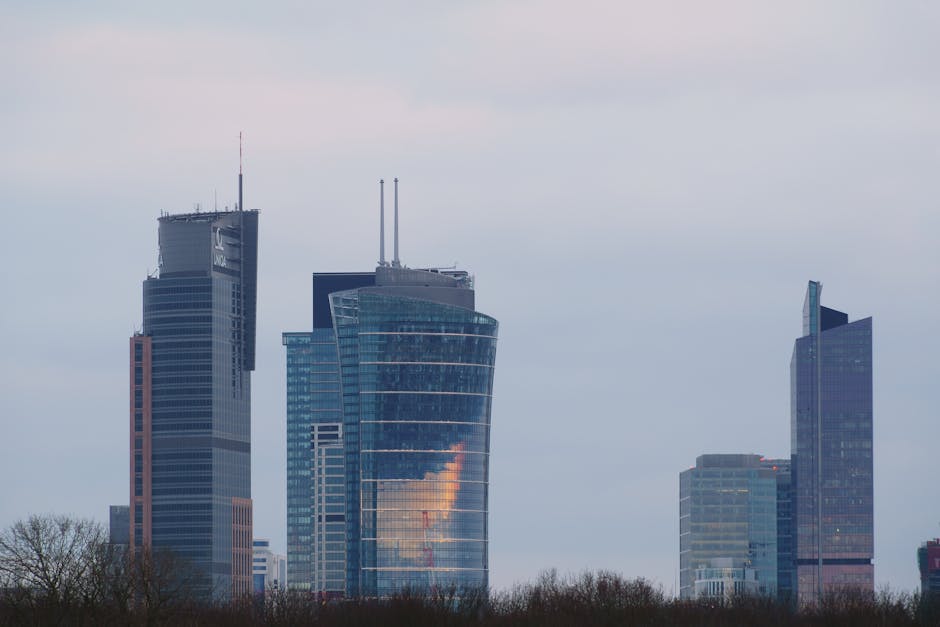 Easy
EasyWarsaw, Poland
Discover the hidden courtyards and grand pre-war architecture of Warsaw's most atmospheric neighborhood on this self-guided stroll.
 Easy
EasyGothenburg, Sweden
Explore Gothenburg's maritime soul on this self-guided walk from historic shipyards to sleek modern piers and iconic industrial landmarks.
 Moderate
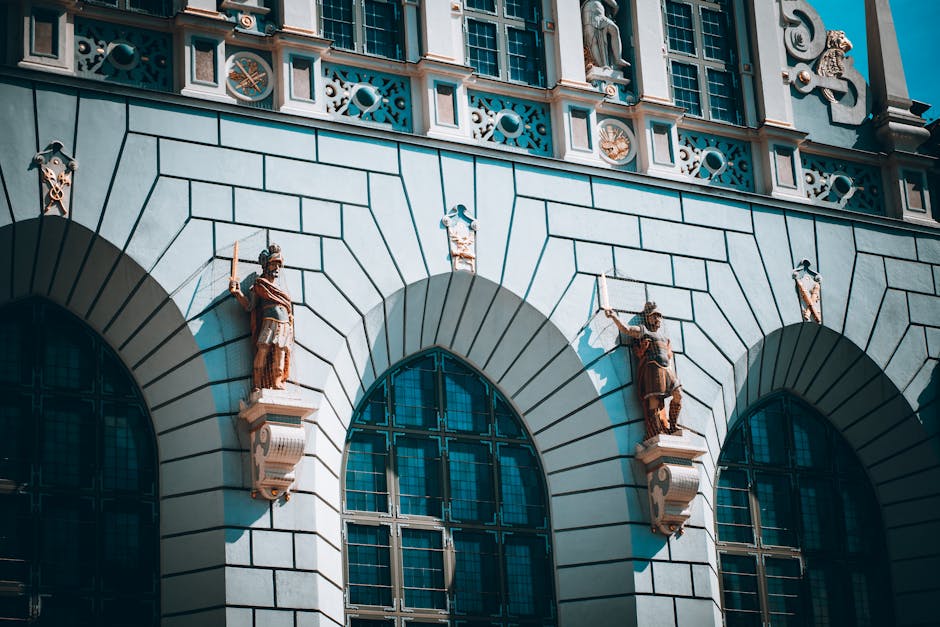
Gdansk, Poland
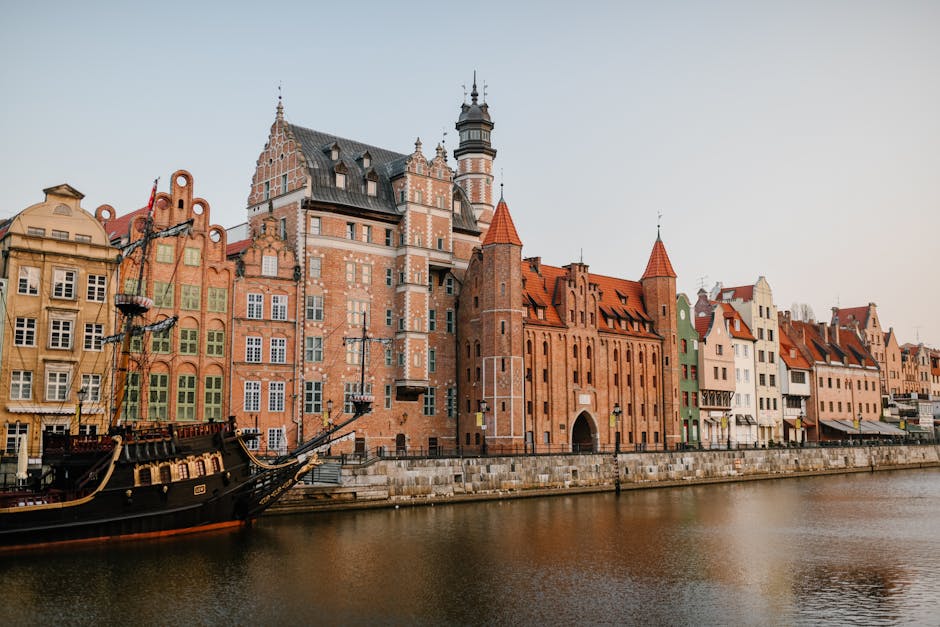
Discover the raw beauty of Gdansk’s Lower Town. Explore industrial ruins, hidden sluices, and riverside bastions on this self-guided walk.
 Moderate
Gdansk, Poland
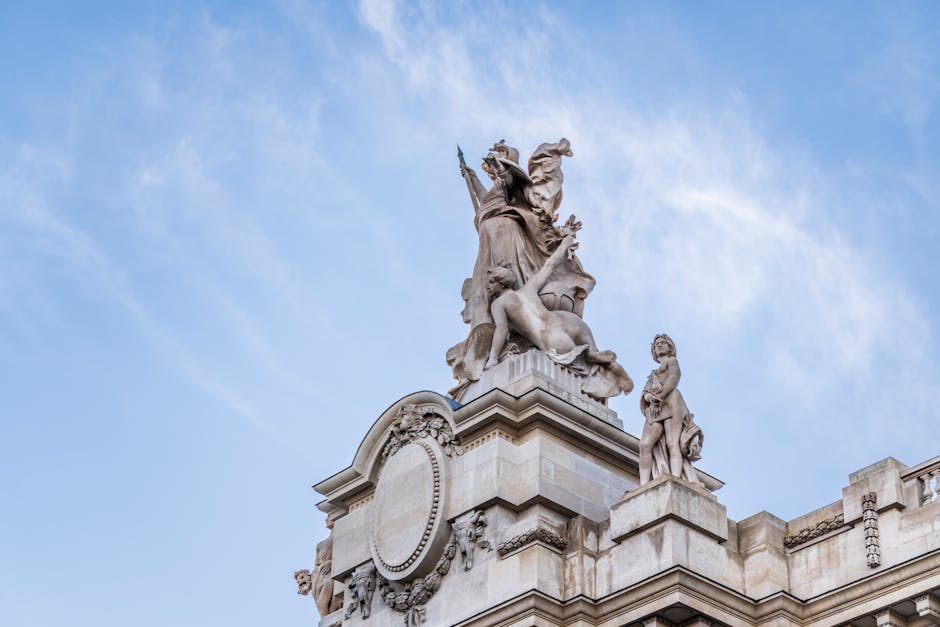
Discover Zaspa, a massive open-air gallery where grey housing blocks are transformed by over 60 monumental murals. Explore at your own pace.
 Challenging
Paris, France
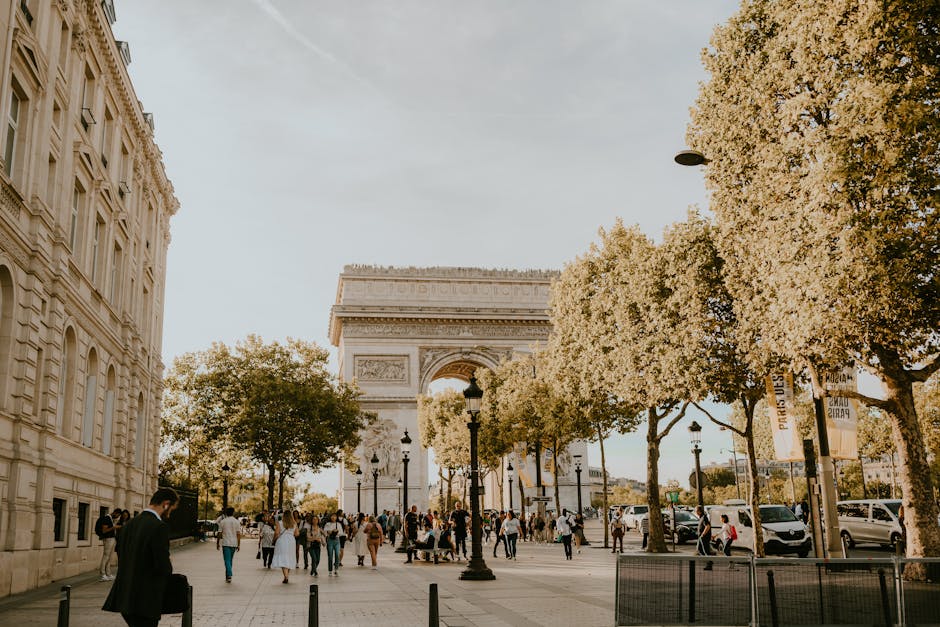
Explore the secret vineyards, legendary artist studios, and hidden squares of Paris's iconic hilltop on this self-guided bohemian walking route.
 Easy
EasyParis, France
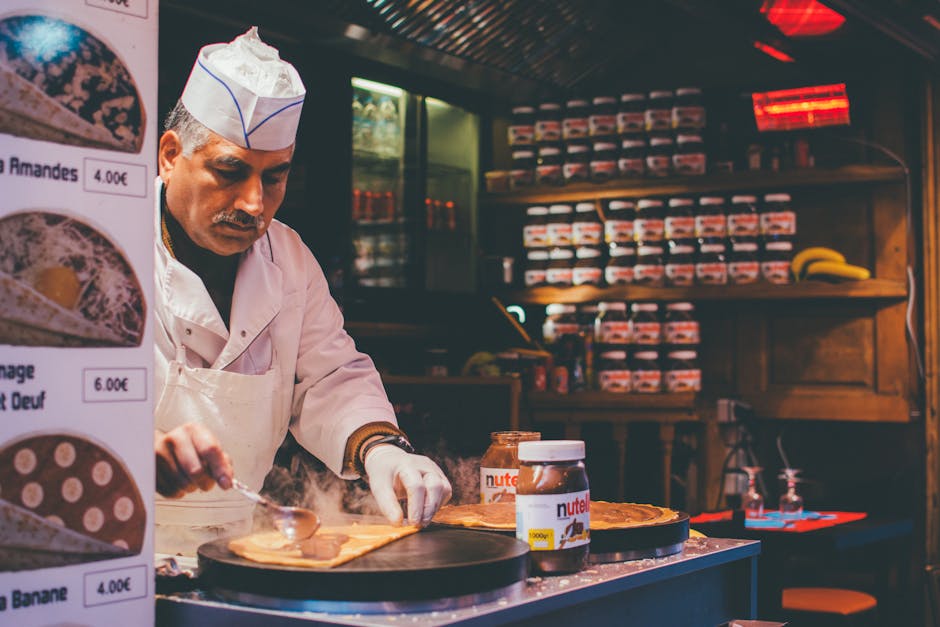
Explore the evolution of Parisian design from Art Nouveau whimsy to Le Corbusier's Modernist masterpieces on this self-guided architectural walk.
 Easy
EasyParis, France
Explore the flavors and history of Bastille on this self-guided walk through the legendary Aligre Market and the scenic Coulée Verte.
 Easy
EasyParis, France
Discover aristocratic mansions, secret medieval courtyards, and royal history on this self-guided walk through the enchanting Marais district.