Self-guided audio tour in Oslo
Start Free on iPhone
Start free on iPhone to unlock this self-guided walking tour in Oslo. Hear all the stories that make it amazing, walk at your own pace, and begin whenever you want.
Your Private Tour Guide
Experience the soul of Norway's capital by following the water. This self-guided walk along the Akerselva River offers a captivating journey through the city's industrial heritage, transforming from a dense manufacturing hub into a vibrant green corridor. The river was once the lifeblood of Oslo’s industry, powering grain mills, textile factories, and ironworks that shaped the modern city. Today, those same red-brick buildings house creative studios, coffee shops, and modern apartments, creating a unique atmosphere where history and nature coexist. This walking route Oslo locals love starts at the serene Maridalsvannet lake and winds downstream through lush forests, past roaring waterfalls, and into the heart of the trendy Sagene and Grünerløkka neighborhoods. As you explore independently, you will encounter the historic Beierbrua bridge and the iconic Hønse-Lovisa’s house, symbols of the working-class culture that defined this area for generations. The route is a paradise for photography enthusiasts, offering a mix of rugged natural beauty and striking 19th-century architecture. You’ll see how the city has successfully reclaimed its industrial spaces, turning former factory yards into public parks like Nedre Foss Gård. This neighborhood stroll is more than just a walk; it is a timeline of Oslo's social and economic evolution. Whether you are interested in the engineering feats of the Norwegian Museum of Science and Technology or the artistic sculptures of Ankerbrua, this path provides a peaceful escape from the urban bustle while keeping you connected to the city's narrative. Discover at your own pace why the Akerselva is often called 'Oslo’s green lung' and see the transformation of the city's industrial heritage firsthand.
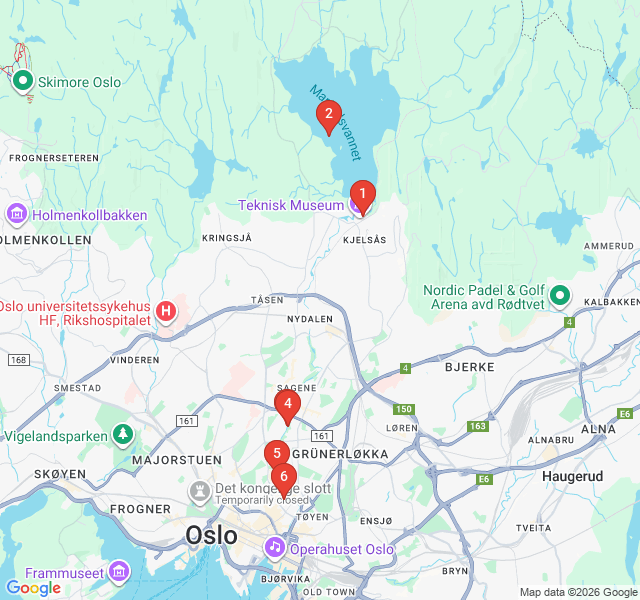
Numbers indicate the order of stops on the tour.
Start exploring with Zigway at the Norwegian Museum of Science and Technology in Kjelsås. This museum is the perfect prologue to your walk, as it documents the very innovations that powered the factories you will see downstream. Founded in 1914, the museum houses extensive collections on Norway's industrialization, from the early days of hydropower to the digital age. The location itself is significant, as the surrounding Kjelsås area was once dominated by the Mustad & Søn factory, which became the world's largest fishhook manufacturer. Take a moment to appreciate the scale of the buildings here before you begin your descent along the riverbank, following the same path the water takes to the city center.
Just a short stroll from the museum, you reach the edge of Maridalsvannet. This is the largest lake in Oslo and the primary source of the city's drinking water since the 1860s. Because it is a protected reservoir, swimming and fishing are strictly prohibited, which has helped preserve its pristine, mirror-like surface. From this vantage point, you can see where the Akerselva begins its 8-kilometer journey to the Oslofjord. The lake is surrounded by the Maridalen valley, a protected landscape that offers a glimpse into the rural history of the region before the industrial revolution took hold. Breathe in the fresh air and enjoy the silence before the river starts to pick up speed.
As you continue downstream into the Sagene neighborhood, you arrive at Beierbrua, perhaps the most photographed bridge in Oslo. This area was the heart of the city's textile industry in the 19th century. To your right, you can see the massive Vøyenfallene waterfall, which provided the mechanical power for the nearby factories. The bridge itself is named after Anders Beier, who operated a mill here in the 1600s. Look at the bronze statues of factory workers on the bridge; they serve as a tribute to the 'factory girls' who worked long hours in the spinning mills nearby. The sound of the rushing water here is a constant reminder of the raw energy that built modern Oslo.
Sitting right next to the Beierbrua waterfall is a small, bright red timber house known as Hønse-Lovisas hus. This charming building dates back to around 1800 and was originally a residence for the sawmiller at the nearby mill. Its name comes from a character in the works of Oskar Braaten, a famous Norwegian author who depicted the lives of the working class along the river. Today, the house serves as a cultural meeting point and a cafe. It is a local tradition to stop here for a coffee and a traditional Norwegian waffle while listening to the roar of the waterfall just outside the window. It is a rare surviving example of the humble wooden architecture that once lined the river.
Further south, the landscape opens up at Nedre Foss Gård. This site has a history stretching back over 800 years, making it the oldest grain mill site on the Akerselva, once owned by the Hovedøya Abbey in the Middle Ages. The main building you see today is a beautifully restored manor house from 1802. After a devastating fire in 2015, it was meticulously rebuilt and now serves as a popular restaurant and brewery. The surrounding area has been transformed into a modern urban park, featuring a fish ladder designed to help salmon and trout migrate upstream. It is a perfect example of how Oslo balances historic preservation with contemporary public spaces.
Your neighborhood stroll concludes at Ankerbrua, often called the 'Fairy Tale Bridge.' Built in 1926, the bridge is adorned with four bronze sculptures by Dyre Vaa, each representing a different Norwegian folk tale: Peer Gynt, Kari Trestakk, the White Bear King Valemon, and Per Gynt. This bridge marks the transition from the industrial river path into the urban bustle of the city center and the lower Grünerløkka district. From here, the river continues its final stretch toward the Opera House and the fjord. Reflect on the journey you've taken, from the quiet forest lake to this artistic urban landmark, tracing the lifeline of Oslo's history.
Start Free on iPhone
Explore “Industrial Revitalization: Akerselva River Walk” with your very own Private Tour Guide with Zigway. Start free on iPhone, skip the large group and the fixed routes, and hear the city come alive as you go.
Your Private Tour Guide
Don't miss the good stuff
Explore Freely
 Easy
EasyOslo, Norway
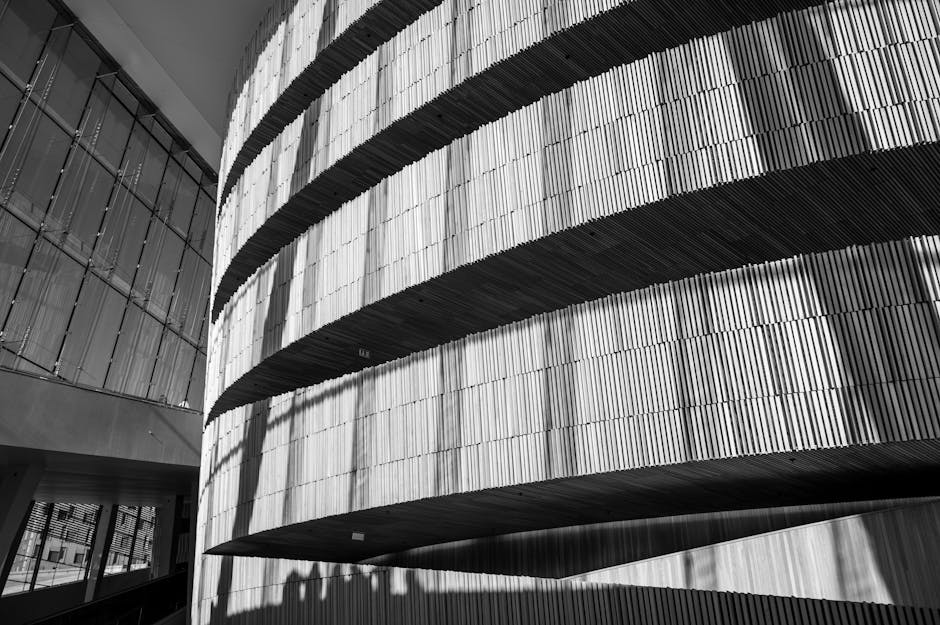
Discover Oslo's stunning modern waterfront on this self-guided walk through the innovative Bjørvika district and its iconic architecture.
 Easy
EasyOslo, Norway
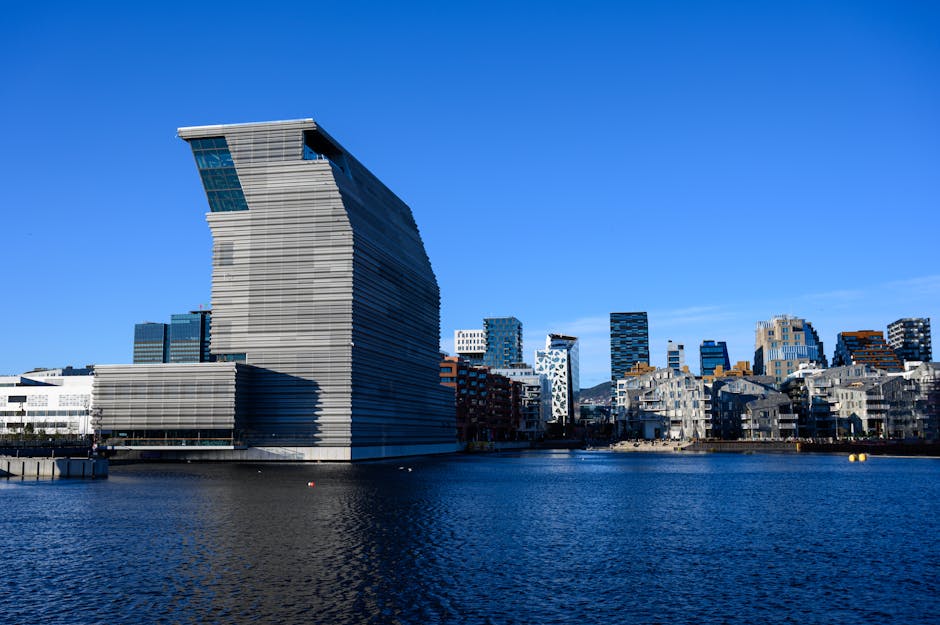
Explore Oslo's 'Thief Island' on this self-guided walk through cutting-edge architecture, world-class galleries, and stunning fjord-side sculptures.
 Easy
EasyOslo, Norway
Discover Oslo's most charming 18th-century wooden houses and medieval history on this peaceful self-guided stroll through hidden hillside lanes.
 Moderate
Oslo, Norway
Discover Oslo's 1,000-year history on this self-guided walk from the medieval Akershus Fortress to the ancient ruins of the Old Town.
 Moderate
Gdansk, Poland
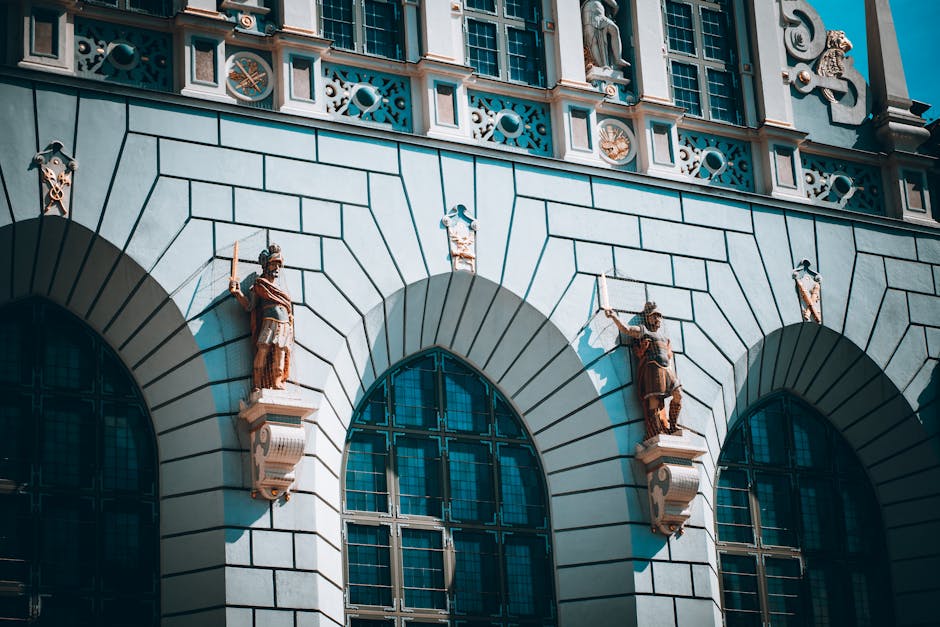
Discover Zaspa, a massive open-air gallery where grey housing blocks are transformed by over 60 monumental murals. Explore at your own pace.
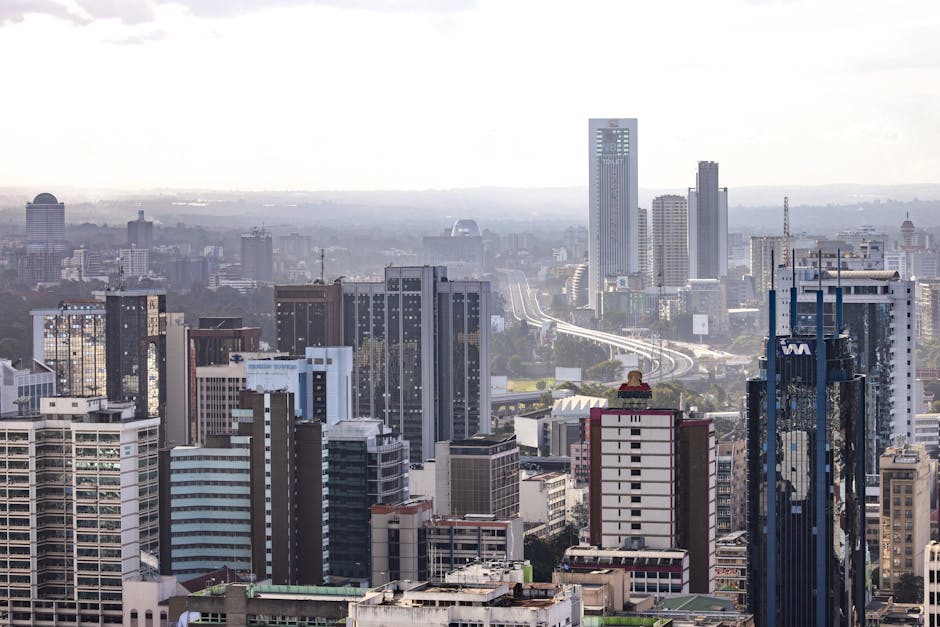 Moderate
Nairobi, Kenya
Discover Nairobi's lush side on this self-guided walk through botanical gardens, historic memorials, and vibrant local markets.
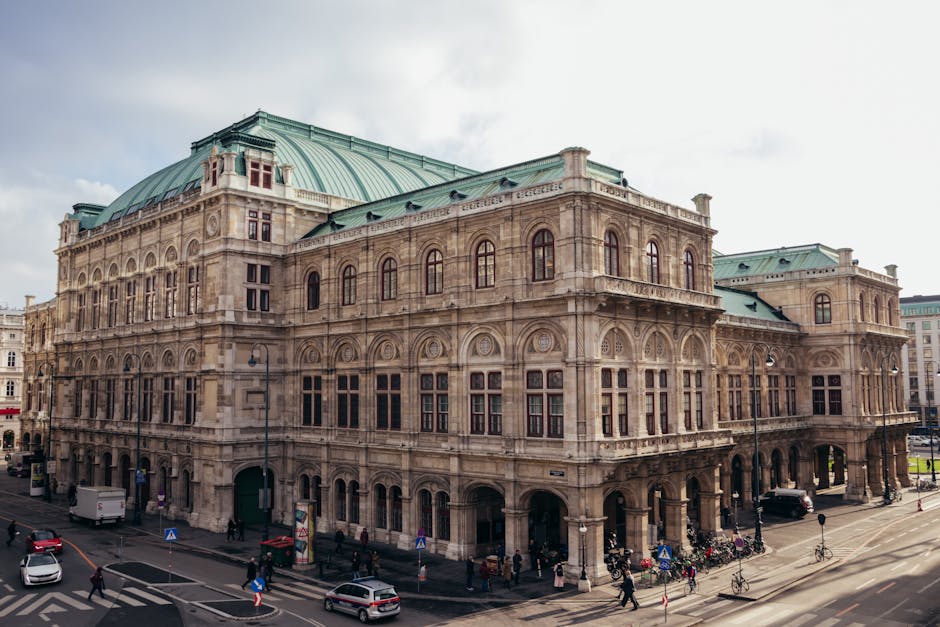 Moderate
Vienna, Austria
Discover the noir world of The Third Man and Cold War Vienna on this atmospheric self-guided audio walk through the historic Innere Stadt.
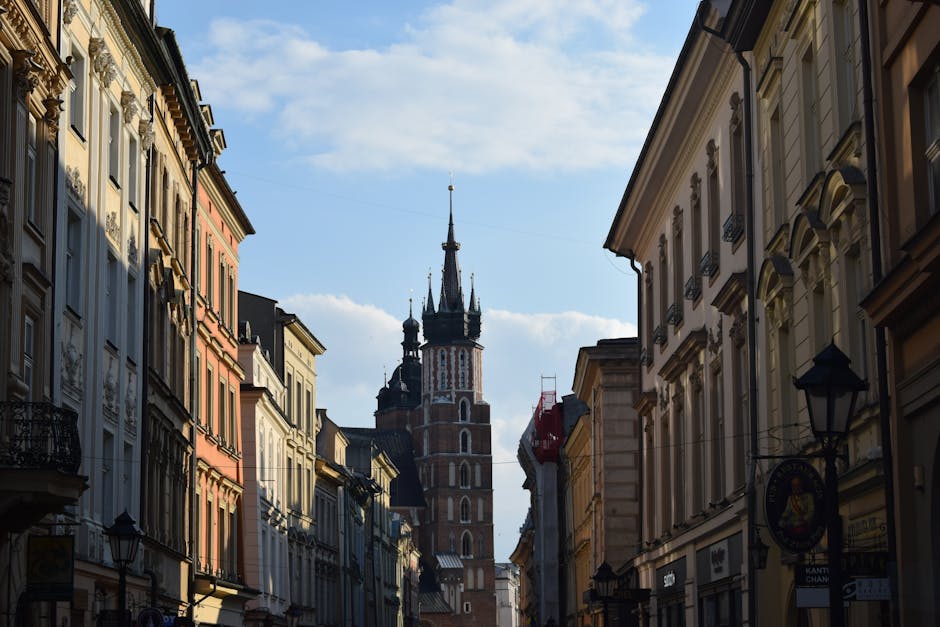 Moderate
Krakow, Poland
Discover Krakow’s stunning skyline and riverside charm on this self-guided audio walk through scenic viewpoints and historic mounds.
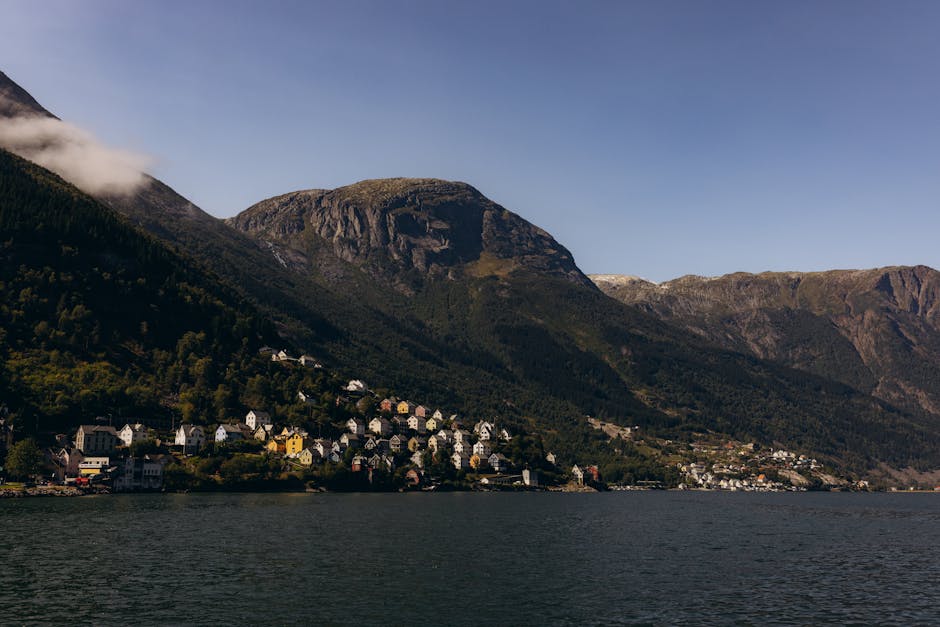 Easy
EasyBergen, Norway
Explore Bergen's vibrant craft beer scene and historic pubs on this self-guided audio walk through the atmospheric Sentrum district.
 Easy
EasyBergen, Norway
Discover Bergen's rich literary heritage on this self-guided walk through the city's historic theaters, libraries, and monuments of great writers.
 Easy
EasyBergen, Norway
Explore Bergen's charming Nordnes peninsula at your own pace, featuring narrow wooden alleys, historic fortresses, and stunning fjord views.
 Moderate
Bergen, Norway
Explore Bergen’s steepest alleys and hidden wooden neighborhoods on this self-guided photography walk through the historic Fjellsiden district.