Self-guided audio tour in Pittsburgh
Start Free on iPhone
Hear the stories behind the streets and sights around you as you walk Pittsburgh. Try it free on iPhone.
Your Private Tour Guide
Butler Street runs through Lawrenceville in Pittsburgh, and this self-guided walk follows it from Civil War history to craft beer, music venues and murals. It's a Lawrenceville walking tour that shows how one of Pittsburgh's most dynamic neighborhoods changed over time. Long before anyone called it the 'Brooklyn of Pittsburgh,' this was a vital industrial engine and a pivotal site during the American Civil War. Lawrenceville: From Arsenal to Artisans sticks to the busy Butler Street corridor, where the legacy of iron and steel runs straight into a newer wave of creativity. You'll see how old church architecture has been reinvented as a place to gather, and how a tragic wartime explosion shaped the local landscape. Locals and visitors both like this one. Serious history and today's artisan culture get roughly equal time. Along the route you'll pass iconic murals that celebrate the city's blue-collar roots, and a historic cemetery that feels more like a grand Victorian park. Old industrial spaces have found new lives here too. Former warehouses and neighborhood taverns are now world-class music venues and independent cinemas. Come for the somber stories of the Allegheny Arsenal, or for the lively local arts scene. Either way, you'll get a full picture of how Lawrenceville went from industrial powerhouse to a haven for artisans. There's no fixed schedule, so stop at a craft brewery or browse the local boutiques for as long as you like. By the time you reach the grand gates of Allegheny Cemetery, you'll understand the grit and resilience that give Lawrenceville its character. **Note:** This area changes all the time. Street art, pop-up venues and temporary exhibitions may not match what's described. That's part of the fun. You might find something completely new.
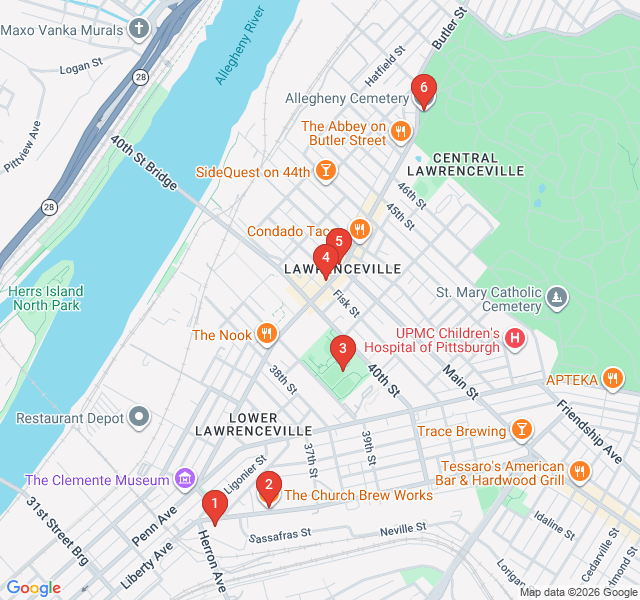
Numbers indicate the order of stops on the tour.
Bayer's Iron City Beer Mural is a big, colorful tribute to Pittsburgh's brewing history. Iron City Beer was once the staple drink of the city's working class, and it's bound up with Lawrenceville's industrial identity. The mural links the neighborhood's blue-collar past with its colorful, creative present. Street art in a city can get changed or restored over time, but this piece nails the spirit of the 'Steel City' and its love of local traditions. While you're here, look at the warehouses around you. Many have been turned into studios and lofts, a sign of how the area is still shifting from heavy industry to artisans and entrepreneurs.
The Church Brew Works is one of the best-known examples of adaptive reuse in the United States. It was built in 1902 as St. John the Baptist Church. Later it was deconsecrated, and in 1996 it became a brewery and restaurant. Go inside if you can. The massive steel and copper brewing tanks sit where the altar used to be, and the original pews are still used as seating. It's a striking example of Lawrenceville holding on to its architectural history while finding new ways to use it. The Gothic Revival architecture, all stained glass and soaring arches, suits a neighborhood that values craftsmanship, whether in buildings or in beer.
Arsenal Park looks like an ordinary, peaceful green space. It isn't, really. This was the site of the Allegheny Arsenal, a major supply hub for the Union Army during the Civil War. In 1862 a series of explosions ripped through the laboratory and killed 78 workers, most of them young women. It was the worst civilian disaster of the war. These days the park is a community anchor, with tennis courts and playgrounds, but the stone walls and historical markers are a reminder of the neighborhood's vital and tragic role in the nation's defense. Read the markers. Then take a quiet minute to think about the industrial grit that defined early Lawrenceville.
Music fans, this one's for you. The Thunderbird Cafe & Music Hall is a cornerstone of the Lawrenceville music scene. It started out as a neighborhood tavern, then went through a massive expansion to become a top mid-sized venue, without losing its industrial, intimate charm. It's a good marker of how the neighborhood turned into a nightlife and entertainment destination. The lineup runs from local blues acts to national touring bands. The multi-level layout and exposed brick are pure Lawrenceville, rough-around-the-edges history paired with a sophisticated modern sound system. Here the craft isn't beer or food. It's live performance, and the community that gathers for it. Check who's playing tonight.
Row House Cinema is a much-loved independent movie theater, and it sums up the quirky, community-driven spirit of Lower Lawrenceville. Forget the giant multiplexes. This is a single-screen theater built around weekly themes, anything from '90s Nostalgia' to 'Global Horror,' so it feels properly curated for film lovers. It's woven into local culture and often teams up with the businesses next door for special events. The building is part of a traditional Pittsburgh 'row,' the style of architecture that dominates the residential streets nearby. It shows where the neighborhood has been heading: a walkable, cultural place where independent businesses thrive by offering something unique and personal. See what this week's theme is.
You end at Allegheny Cemetery, founded in 1844 and one of the oldest and largest burial grounds in Pennsylvania. It was laid out in the 'rural cemetery' style, which means it was meant to be a public park and arboretum as much as a place of rest. Follow the winding paths and you'll find stunning Victorian funerary art, along with the graves of Pittsburgh legends like songwriter Stephen Foster and actress Lillian Russell. After busy Butler Street, the rolling hills and grand monuments feel calm. The cemetery is a permanent record of the city's wealth and influence in the industrial age, and it's a grand, thoughtful place to finish your look at Lawrenceville's history.
Explore Mode
Open Zigway, start Explore Mode and just walk. Your guide notices where you are and tells you the story of what's around you, on this route or any street you turn into.
Start Free on iPhone
Open Zigway as you walk and your private tour guide tells the stories behind what you pass.
Your Private Tour Guide
Don't miss the good stuff
Explore Freely
 Easy
Pittsburgh, United States
Explore the dramatic transformation of Pittsburgh's East Liberty through its Gilded Age architecture and vibrant modern art scene.
 Easy
Pittsburgh, United States
Taste the heart of the Steel City on this self-guided audio walk through the legendary markets and eateries of Pittsburgh's vibrant Strip District.
 Easy
Pittsburgh, United States
Explore Pittsburgh's Gilded Age grandeur and modern glass spires on this self-guided architecture walk through the historic Golden Triangle.
 Moderate
Pittsburgh, United States
Explore Pittsburgh's vibrant history and hidden gems from Downtown to the heights of Polish Hill and the grandeur of Oakland on this audio walk.
 Easy
Gothenburg, Sweden
Explore Gothenburg's maritime soul on this self-guided walk from historic shipyards to sleek modern piers and iconic industrial landmarks.
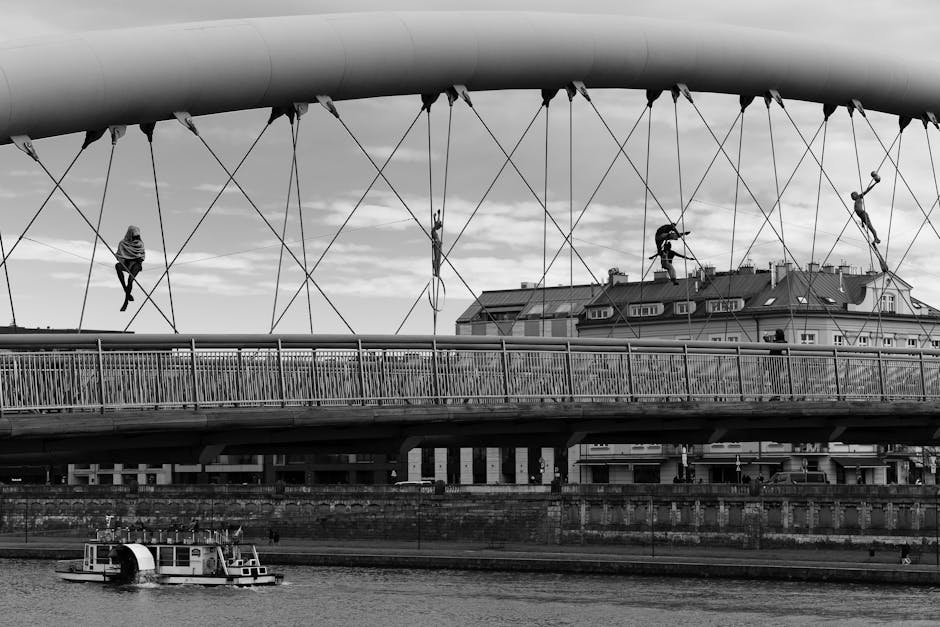 Easy
Krakow, Poland
Discover Krakow’s creative soul in Zabłocie, exploring industrial heritage, contemporary art museums, and avant-garde architecture at your own pace.
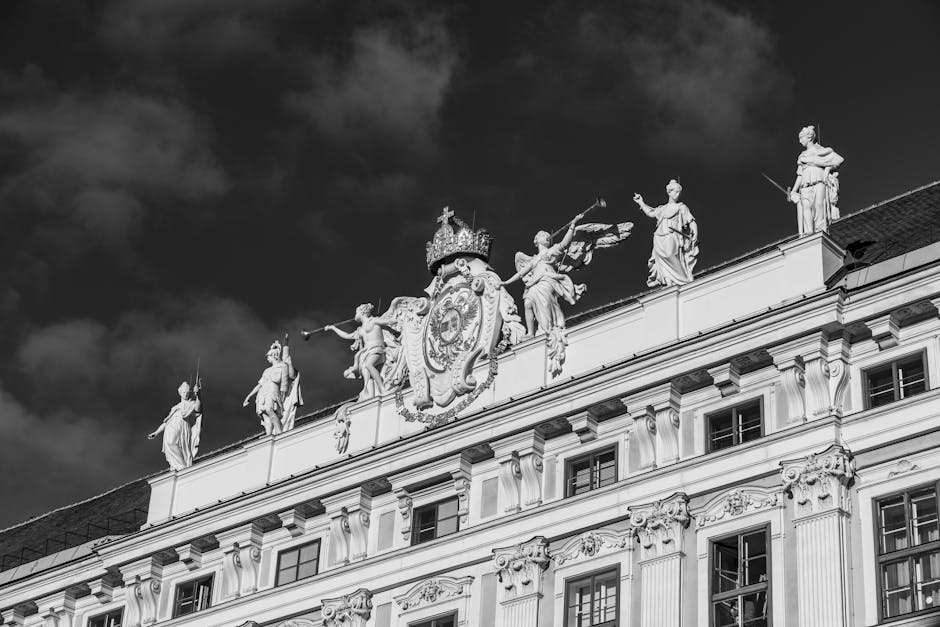 Easy
Vienna, Austria
Explore Vienna’s vibrant open-air gallery along the Danube Canal on this self-guided street art and nightlife stroll through Leopoldstadt.
 Easy
Nairobi, Kenya
Discover Nairobi’s literary soul on this self-guided walk through historic libraries, iconic bookshops, and cultural centers in the heart of the CBD.
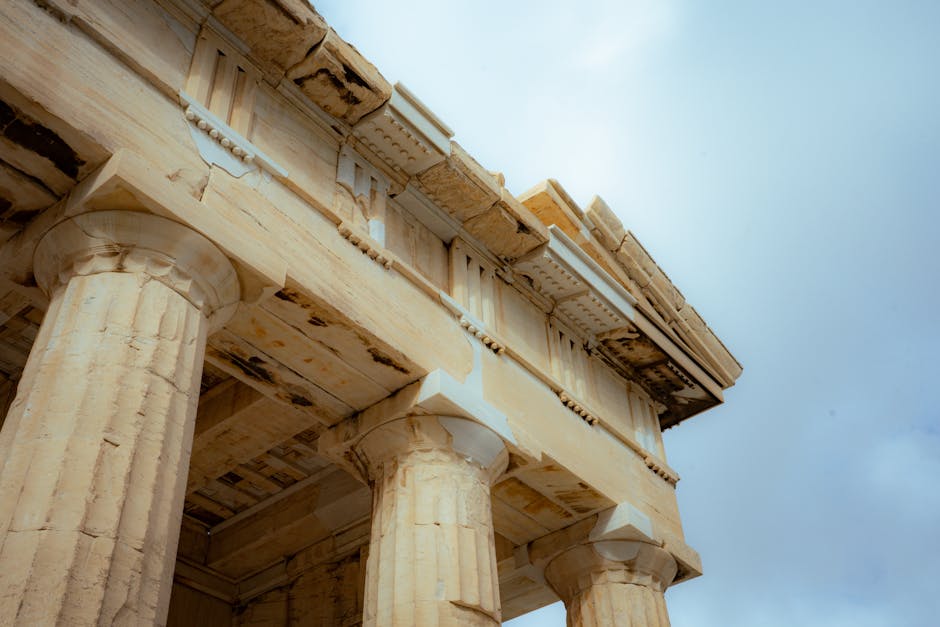 Easy
Nashville, United States
Explore the 'Athens of the South' on this self-guided walk through Centennial Park, featuring the world's only full-scale Parthenon replica.
 Easy
Nashville, United States
Explore Nashville's academic heart and Art Deco gems on this self-guided walk through historic Hillsboro Village.
 Easy
Nashville, United States
Explore the heart of Nashville's music industry. Discover iconic studios and the history of the legendary Nashville Sound at your own pace.
 Easy
Nashville, United States
Explore Nashville's oldest neighborhood! Discover Victorian architecture, Civil War history, and world-class craft beer on this self-guided walk.