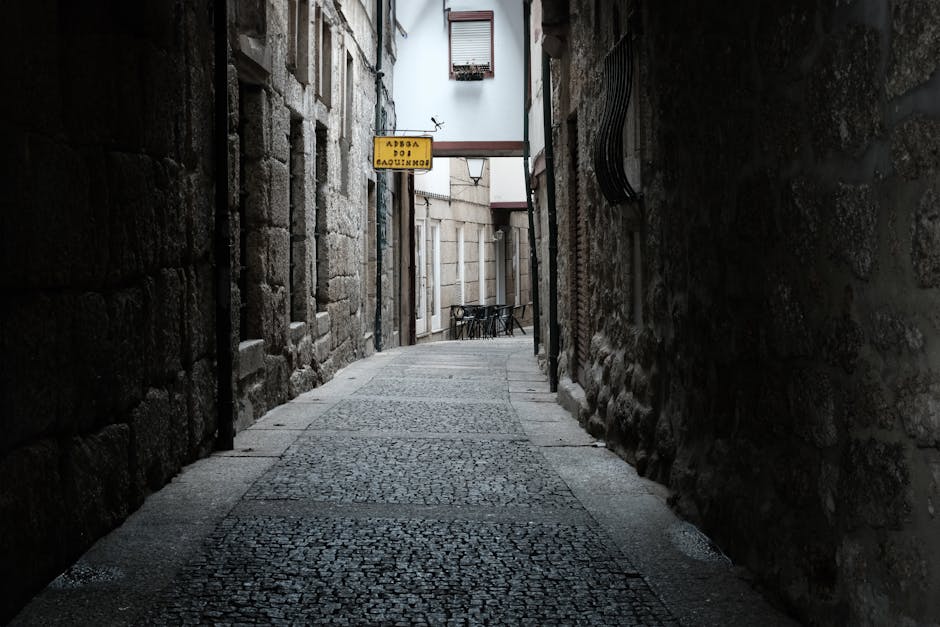
Self-guided audio tour in St. Augustine
Start Free on iPhone
Hear the stories behind the streets and sights around you as you walk St. Augustine. Try it free on iPhone.
Your Private Tour Guide
St. Augustine's Historic District keeps its lush courtyards and secret gardens behind coquina walls and iron gates, and this self-guided route goes looking for them. It's a quiet garden walking tour of the nation's oldest city, away from the crowds on St. George Street and the imposing walls of the Castillo de San Marcos. These fragrant spaces have been private retreats for residents for centuries. Secret Gardens and Hidden Patios looks at the Spanish Colonial and Gilded Age architecture that shapes the district, and at how private outdoor spaces fit into everyday life. You can read St. Augustine's history in its plants. The early Spanish settlers grew medicinal herbs. Gilded Age tycoons like Henry Flagler planted exotic tropical specimens. Every leaf has a story. The route follows the shift from the rugged, practical courtyards of the 1700s to the showy ornamental gardens of the late 19th century. Highlights include the calm koi ponds at the Lightner Museum, the historic medicinal gardens of the Ximenez-Fatio House and the grand, fountain-centered courtyard of Flagler College. Bring a camera. There's endless light playing on old stone and bright hibiscus. History fans will enjoy it, and so will anyone who just needs a break from the tourist trail. Go at your own pace, and let the smell of jasmine and the sound of trickling water lead you into the city's hidden heart.
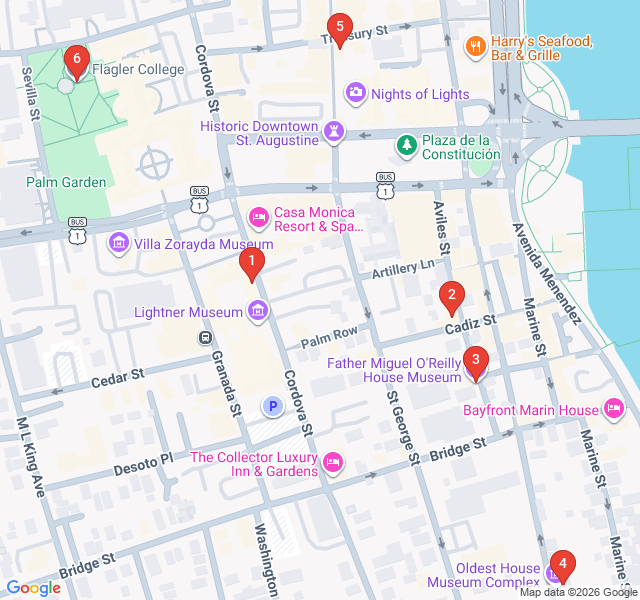
Numbers indicate the order of stops on the tour.
Start at the Lightner Museum, which began life as the Alcazar Hotel, built by Henry Flagler in 1888. The museum inside is spectacular, but the courtyard is why you're here, and it's a masterpiece of Gilded Age landscape design. Cross the little stone bridge over the koi pond. Listen to the water, and look up at the towering palm trees. All of this was designed as an exotic oasis for wealthy Victorian travelers. The architecture is Spanish Renaissance Revival, with warm coquina-colored walls and bright terracotta trim. Spend a minute watching the fish or lining up a photo of the arches, then head for the quieter streets to the south.
With the grand hotels behind you, you reach the Ximenez-Fatio House. This courtyard comes from the Second Spanish Period and Florida's early territorial years. It's nothing like the Lightner's ornamental garden. This space had work to do. In the 1800s the house was a boarding house, and the courtyard was the center of domestic life. Find the kitchen house, which was kept separate from the main residence to prevent fires. Then look at the medicinal herbs and citrus trees planted around it. Life in early St. Augustine meant being self-sufficient, and every plant had a job, from seasoning food to healing ailments.
A few steps away is one of the most peaceful spots in the city, the garden of the Father Miguel O'Reilly House. The house dates back to 1691, and the garden is profoundly quiet. The Sisters of St. Joseph have looked after it for over 150 years. Walk the paths and you'll see religious statues set among native Florida plants and flowering shrubs. The garden speaks to the spiritual heritage of St. Augustine, the oldest continuously occupied European-established settlement in the continental United States. Stay a while. The engine noise of the nearby trolley routes feels far away here, and it's a good place for some reflection.
The Gonzalez-Alvarez House goes by a simpler name, the 'Oldest House.' Its big, sprawling garden shows how landscape styles changed here over the centuries. Ancient oaks shade it, and it's filled with plants that both Spanish and British residents would have recognized. Look down at the paths. They're made of coquina shell, part of a 'Florida-style' approach to gardening that also relies on hardy, salt-tolerant greenery. This courtyard was once the site of a small farm, keeping the residents in poultry and vegetables. Today it's a beautiful example of historic preservation reaching past the walls of a building and into the very soil it stands on.
Heading back toward the center of the district, you come to the Peña-Peck House. Its walled garden is a true sanctuary, and it often gets overlooked by visitors rushing toward the Plaza. Their loss. The house was built in 1750 for the King's Treasurer, and both house and grounds reflect the high status of their Spanish Colonial owners. The garden you see today owes a lot to the Peck family, who reshaped it in the 19th century, blending colonial structure with Victorian taste in flowers. The high walls create a microclimate that keeps everything lush and green even in the heat of summer. It's one of the most romantic spots in the city.
Finish at the crown jewel of St. Augustine, the courtyard of Flagler College. It used to be the Ponce de Leon Hotel, and it's the Gilded Age at full volume. A magnificent fountain takes center stage, and it doubles as a sundial. Around it are meticulously kept lawns and seasonal blooms. The towers, the terra cotta details and all that greenery were designed to make guests feel they'd arrived at a Spanish palace. Standing here, you're surrounded by the legacy of Henry Flagler, the man who turned St. Augustine into a winter playground for the elite. After all those small, quiet gardens, it's a fittingly grand way to end.
Explore Mode
Open Zigway, start Explore Mode and just walk. Your guide notices where you are and tells you the story of what's around you, on this route or any street you turn into.
Start Free on iPhone
Open Zigway as you walk and your private tour guide tells the stories behind what you pass.
Your Private Tour Guide
Don't miss the good stuff
Explore Freely
 Moderate
St. Augustine, United States
Explore maritime history and coastal nature on this self-guided walk from the Bridge of Lions to the dunes of Anastasia State Park.
 Easy
St. Augustine, United States
Discover the Gilded Age grandeur of St. Augustine's Flagler District on this self-guided walking route through historic hotels and cathedrals.
 Easy
St. Augustine, United States
Explore the oldest street in America through its historic courtyards, military history, and vibrant local art galleries on this self-guided walk.
 Easy
St. Augustine, United States
Explore the Golden Age of Piracy on this self-guided walking route through St. Augustine’s historic waterfront and defensive fortifications.
 Easy
Salzburg, Austria
Discover Salzburg's oldest medieval alley, the birthplace of the 'Silent Night' author, and breathtaking views on this quiet self-guided walk.
 Easy
Nairobi, Kenya
Discover Nairobi's iconic skyline on this self-guided architecture walk through the CBD’s most famous modernist and Brutalist landmarks.
 Easy
Warsaw, Poland
Discover the hidden courtyards and grand pre-war architecture of Warsaw's most atmospheric neighborhood on this self-guided stroll.
 Easy
Helsinki, Finland
Discover Helsinki's oldest neighborhood on this self-guided audio walk through Kruununhaka’s historic streets, hidden courtyards, and scenic shores.
 Easy
Nashville, United States
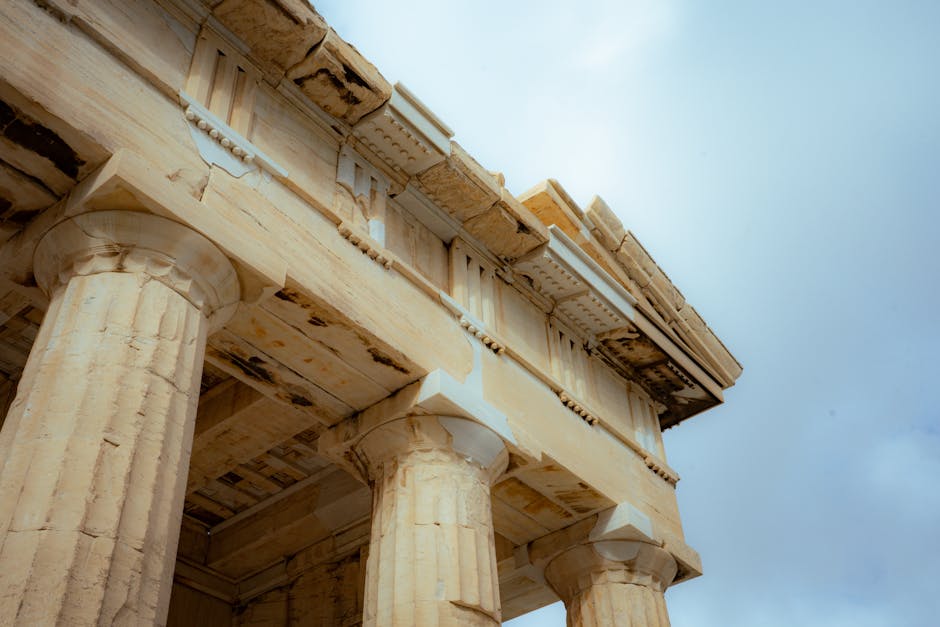
Explore the 'Athens of the South' on this self-guided walk through Centennial Park, featuring the world's only full-scale Parthenon replica.
 Easy
Nashville, United States
Explore Nashville's academic heart and Art Deco gems on this self-guided walk through historic Hillsboro Village.
 Easy
Nashville, United States
Explore the heart of Nashville's music industry. Discover iconic studios and the history of the legendary Nashville Sound at your own pace.
 Easy
Nashville, United States
Explore Nashville's oldest neighborhood! Discover Victorian architecture, Civil War history, and world-class craft beer on this self-guided walk.