Self-guided audio tour in Amman
Start Free on iPhone
Start free on iPhone to unlock this self-guided walking tour in Amman. Hear all the stories that make it amazing, walk at your own pace, and begin whenever you want.
Your Private Tour Guide
Amman is a city where ancient limestone heritage meets a vibrant, modern pulse. This self-guided walk invites you to explore the capital's creative soul through its burgeoning street art scene, historic neighborhoods, and cultural landmarks. As you navigate the winding streets and steep stairways of Lweibdeh and Downtown, you will witness how local and international artists have transformed the city's vertical canvas into a gallery of visual storytelling. This walking route highlights the contrast between the Roman ruins and the contemporary murals that now define Amman's urban identity. Beginning at the Jordan Museum, the trail leads you through the heart of the city's artistic revival. You will encounter the iconic Al Kalha Stairs, where colorful murals bridge the gap between the traditional markets of Downtown and the bohemian cafes of Lweibdeh. The journey continues through Darat al Funun, a sanctuary for contemporary Arab art, and ascends toward the Citadel for a panoramic view of the sprawling metropolis. Beyond the ancient sites, the route showcases the 7hills Skatepark, a testament to community-driven urban projects and youth culture. This neighborhood stroll is designed for those who wish to discover the local lifestyle at their own pace. While the street art Amman provides is dynamic and often changes with new festivals and community projects, the creative energy remains constant. From the grand scale of the Roman Theater to the hidden gems in AlShura Park, this self-guided adventure offers a deep dive into the cultural fabric of Jordan. Whether you are interested in photography, modern history, or simply soaking in the atmosphere of a Middle Eastern capital in transition, this walking route provides a comprehensive look at the art that breathes life into Amman's stone walls. **Note:** This area is known for its ever-changing character. Street art, pop-up venues, and temporary exhibitions may differ from what's described. That's part of the adventure - you might discover something entirely new!
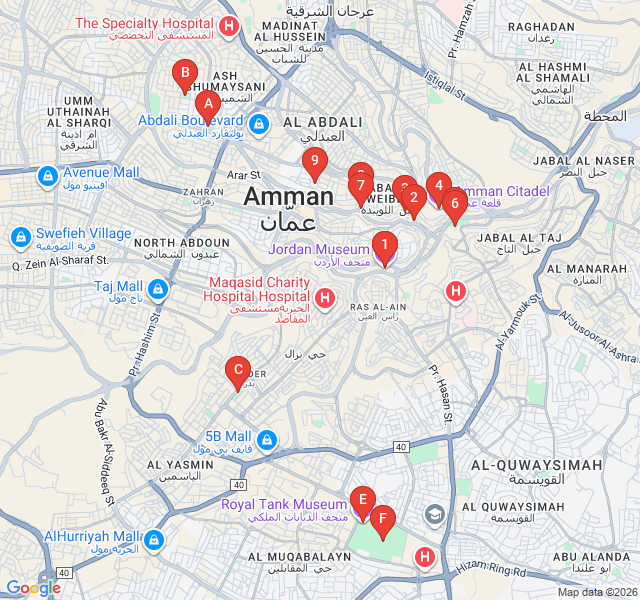
Numbers indicate the order of stops on the tour.
Start your self-guided adventure at the Jordan Museum, a modern architectural landmark that houses the country's most significant archaeological finds. While the interior tells the story of Jordan's ancient past—including the famous Dead Sea Scrolls—the exterior and its placement in the 'Ras Al-Ayn' area mark the beginning of Amman's cultural corridor. This area has seen a massive transformation, turning industrial spaces into public squares. Take a moment to appreciate the clean lines of the building before heading into the bustling streets where the modern art scene begins to unfold.
These historic stairs are one of the most famous connections between the lower Downtown area and the hilltop neighborhood of Lweibdeh. Al Kalha has become an open-air gallery, frequently decorated with vibrant murals, calligraphy, and community art projects. The artwork here is volatile and may change as new artists contribute to the space, reflecting the current social and artistic climate of the city. As you climb, look for the small shops and cafes that have integrated their storefronts into the art-filled environment, making this one of the most photographed spots in Amman.
Darat al Funun is more than just a gallery; it is a home for Arab artists. Set in a series of restored 1920s villas, this complex overlooks the downtown area and includes the ruins of a 6th-century Byzantine church in its garden. The foundation supports contemporary art through exhibitions and residencies. While the permanent collection is impressive, the rotating exhibits often feature cutting-edge street art and experimental media. The peaceful gardens offer a stark contrast to the busy streets below, providing a quiet space to reflect on the intersection of heritage and modern expression.
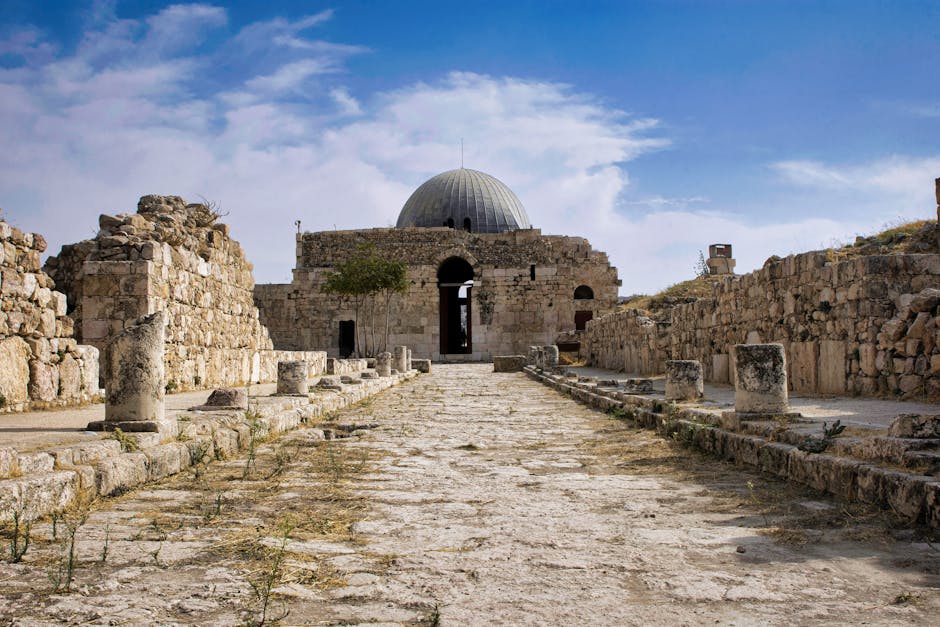
Perched on Jabal al-Qal'a, the Citadel represents the layers of Amman's history, from the Bronze Age to the Umayyad period. While the Temple of Hercules and the Umayyad Palace are the main draws, the site offers the best perspective to see how street art has scaled the city's hills. From this vantage point, you can spot large-scale murals on the sides of distant apartment buildings. The Citadel serves as a reminder that Amman has always been a canvas for human expression, whether through Roman stone carving or modern spray paint.
This massive public space is the heartbeat of Downtown Amman. It was designed to provide a gathering place for locals and is often used for festivals and public performances. Surrounding the plaza, you'll find the historic hills of the city rising sharply, dotted with the white limestone houses that give Amman its nickname, the 'White City'. The plaza is a great place to observe the local pace of life and see how modern public planning attempts to harmonize with the ancient ruins that sit right next door.
The Roman Theater is a spectacular 2nd-century structure that could once seat 6,000 people. It is still used today for cultural events, bridging two millennia of performance art. The precision of the ancient engineering is a work of art in itself. Notice how the theater is carved into the hillside, a technique that current urban artists often mimic by using the natural topography of Amman to frame their work. The contrast between the weathered Roman stone and the modern city life just meters away is a central theme of this walking route.
7hills is a community-built skatepark that has become a hub for Amman's youth and a focal point for local street art. Built by volunteers, the park features a rotating array of graffiti and murals created by the skaters and local artists. It represents a grassroots movement to reclaim urban space for recreation and creative expression. The art here is raw and authentic, often reflecting the energy of the subcultures that thrive in the Lweibdeh area. It is a testament to how art can foster community and provide a voice for the younger generation.
This viewpoint offers a stunning panorama of Jabal Amman and the Downtown area. Lweibdeh is known as the artistic quarter of the city, and from here, you can see why. The neighborhood's layout, with its narrow streets and hidden corners, is perfect for the 'Baladk' street art festival, which has commissioned many of the large murals you see on the surrounding buildings. Take a moment to spot the different styles of art visible on the rooftops and facades from this elevated position.
This gallery is the premier institution for contemporary art in the region. Spread across two buildings separated by a park, it houses a vast collection of works from the Islamic world and beyond. The park itself, often referred to as the 'National Gallery Park,' frequently hosts outdoor sculptures and temporary installations. The gallery plays a crucial role in legitimizing the arts in Jordan, providing a bridge between traditional fine arts and the more rebellious street art seen earlier on this walk.
Located in the Shmeisani area, the Haya Cultural Center is a landmark dedicated to children's education and creativity. The center's design and public areas often feature colorful, educational art and murals designed to inspire the next generation of Jordanian artists. It serves as a reminder that the city's investment in culture starts at a young age. While primarily for families, the center's role in the city's cultural infrastructure is significant, showcasing how art is integrated into public education and community life.
This small, charming park in Shmeisani offers a green respite from the urban environment. While the birds are the main attraction, the park and its surrounding walls often feature local community art and decorative elements. It is a popular spot for local families and artists looking for a quiet place to sketch. The garden represents the 'softer' side of Amman's urban landscape, where nature and community art provide a peaceful break from the high-energy street art found in the city center.
As we move toward the southern parts of the city, AlShura Park stands as a local neighborhood green space. In recent years, community initiatives have sought to beautify these neighborhood parks with murals that reflect local identity and pride. These works are often less about global street art trends and more about connecting with the immediate residents. It's a great example of how the 'mural movement' in Amman has spread from the tourist centers of Lweibdeh to the residential heart of the city.
This area in Al-Muqabalayn showcases a different side of Amman’s development. Entertainment complexes like this often use large-scale graphics and commercial art to create an immersive environment. While different from the independent street art of Downtown, it reflects the commercial and pop-culture influences on Jordan’s visual landscape. It provides an interesting comparison to the more political or social murals found earlier on the route, highlighting the diversity of visual media in the capital.
The Royal Tank Museum is a world-class institution with a striking architectural design that mimics the desert landscape. While the focus here is military history, the museum itself is a masterpiece of modern industrial design and curation. The way the massive vehicles are displayed—often against dramatic backdrops and lighting—is a form of storytelling that shares the same DNA as the public art seen throughout the city. It represents the 'royal' and 'official' side of Jordan’s storytelling through monumental scales.
Ending the trail at King Abdullah II Park, one of the largest parks in Amman, you can find wide open spaces and modern public facilities. The park often serves as a site for large-scale public art projects and festivals. Its expansive walls and structures offer a massive canvas for future murals. As you walk through the park, reflect on the diversity of art you've seen—from the ancient stone carvings of the Roman Theater to the community-driven graffiti of 7hills and the official monuments of the city’s museums.
Start Free on iPhone
Explore “Street Art and Graffiti Trail” with your very own Private Tour Guide with Zigway. Start free on iPhone, skip the large group and the fixed routes, and hear the city come alive as you go.
Your Private Tour Guide
Don't miss the good stuff
Explore Freely
 Moderate
Amman, Jordan
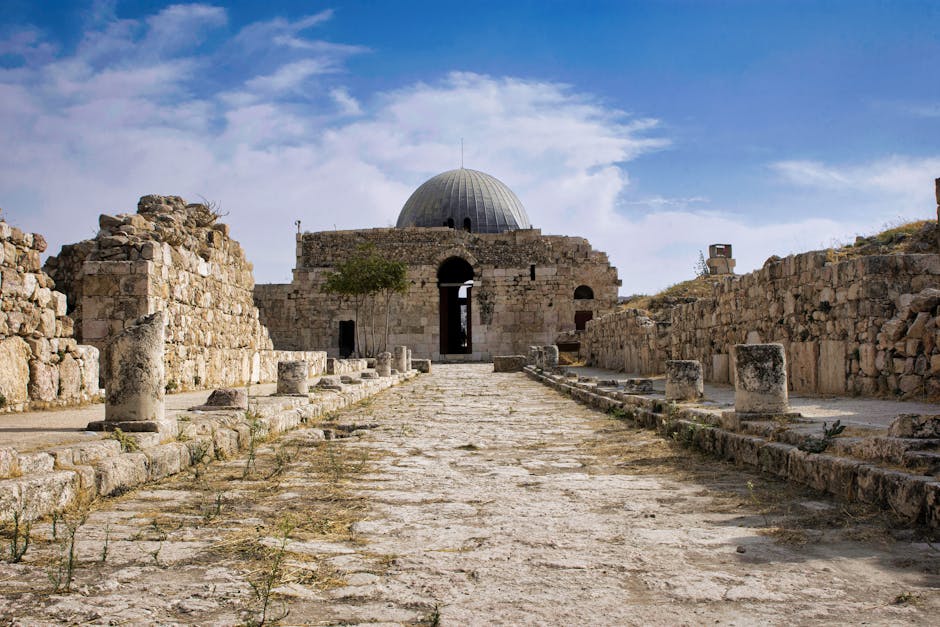
Discover Amman’s ancient heart at your own pace, from the hilltop Citadel ruins to the massive 2nd-century Roman Theater in the downtown basin.
 Challenging
Amman, Jordan
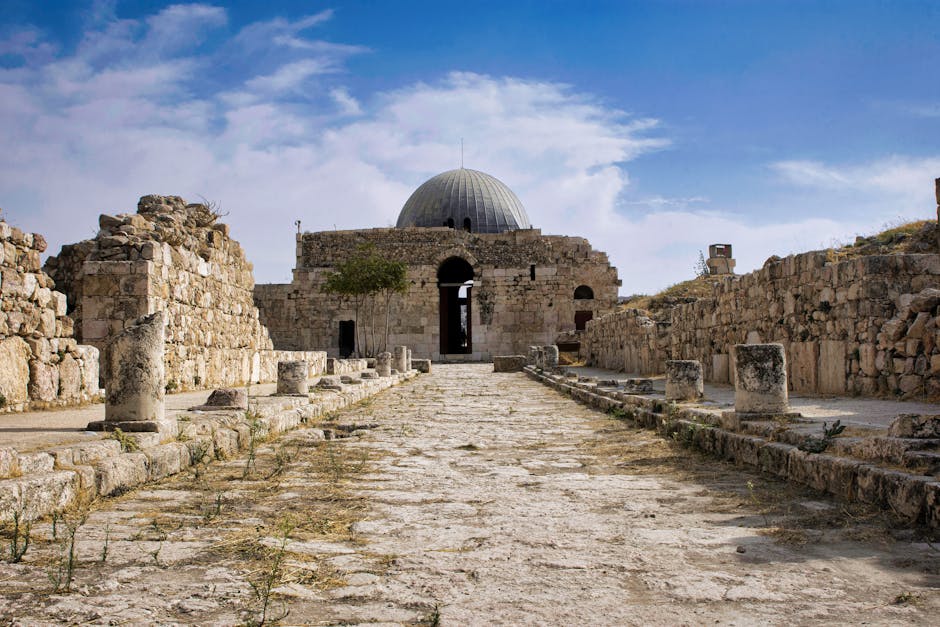
Discover the hidden soul of Amman through its historic staircases, vibrant street art, and ancient Roman landmarks on this challenging hillside walk.
 Easy
EasyAmman, Jordan
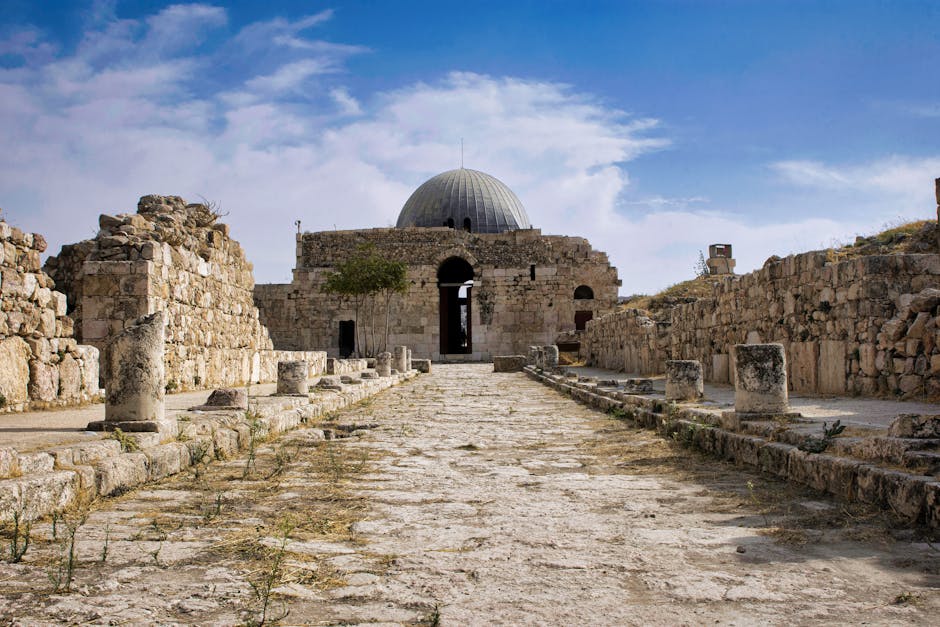
Explore the soul of Amman on a self-guided walk through Al-Balad's historic souqs, Roman ruins, and hidden 20th-century archives.
 Easy
EasyAmman, Jordan
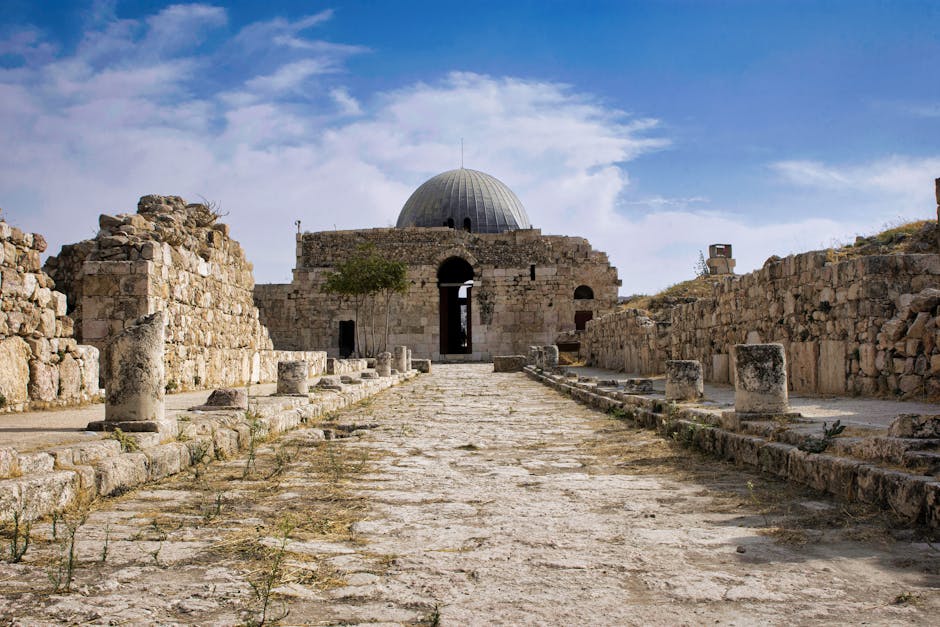
Explore the 'New Downtown' of Amman on this self-guided walk through the sleek architecture and vibrant pedestrian zones of the Abdali district.
 Easy
EasyKrakow, Poland
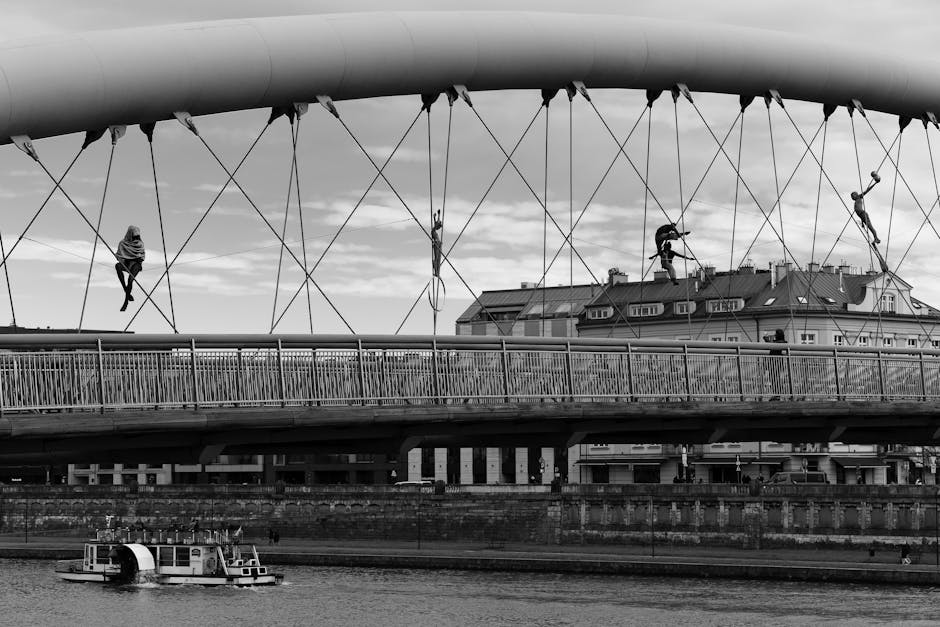
Explore Krakow’s artistic evolution from Renaissance masterpieces to vibrant urban murals on this inspiring self-guided walk through the city.
 Moderate
Gdansk, Poland
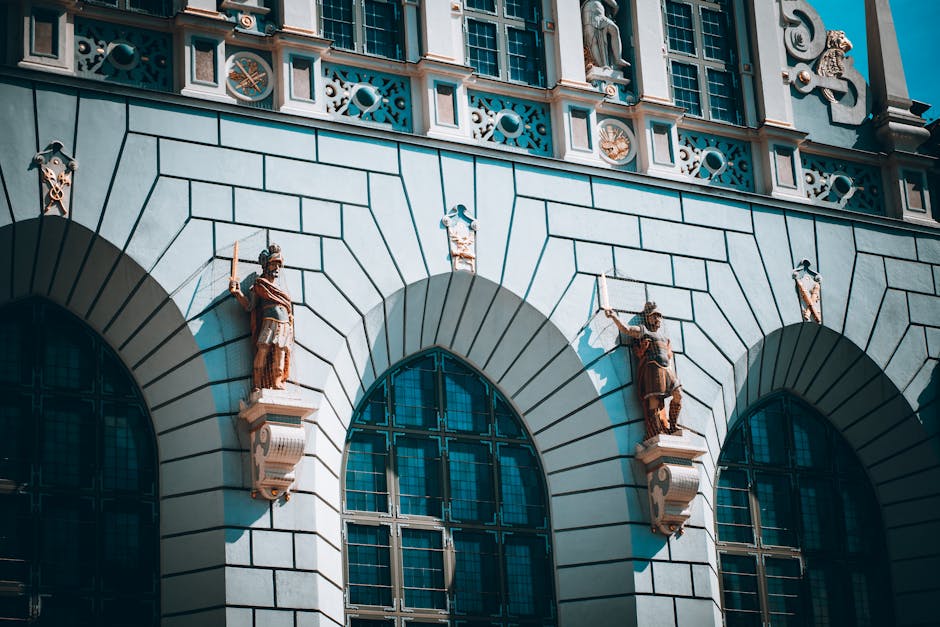
Discover Zaspa, a massive open-air gallery where grey housing blocks are transformed by over 60 monumental murals. Explore at your own pace.
 Easy
EasyVienna, Austria
Explore Vienna’s vibrant open-air gallery along the Danube Canal on this self-guided street art and nightlife stroll through Leopoldstadt.
 Moderate
Nairobi, Kenya
Discover the creative soul of Nairobi on this self-guided walk through the city's premier art galleries, markets, and artisan workshops.