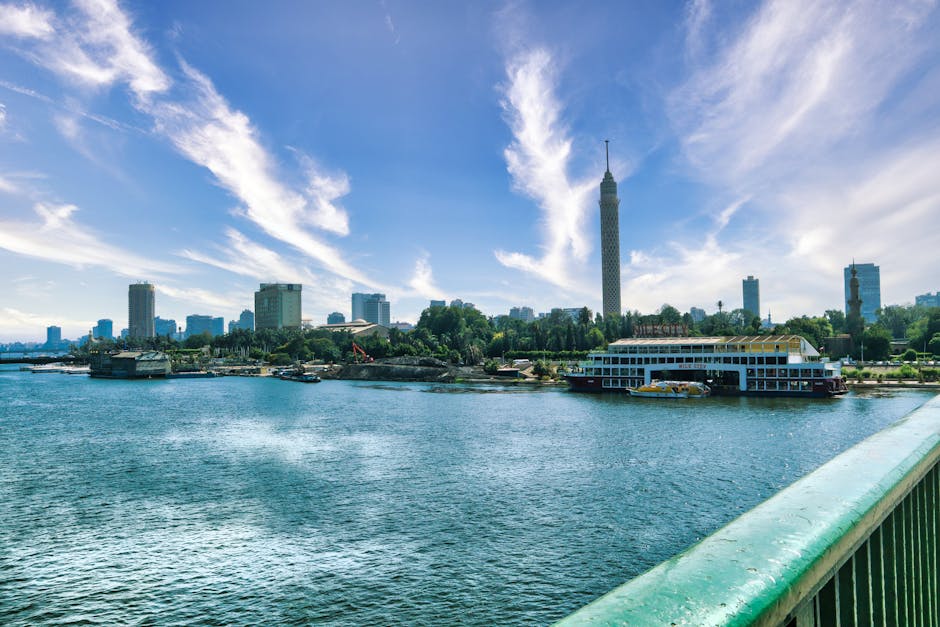
Self-guided audio tour in Cairo
Start Free on iPhone
Start free on iPhone to unlock this self-guided walking tour in Cairo. Hear all the stories that make it amazing, walk at your own pace, and begin whenever you want.
Your Private Tour Guide
Step away from the bustling grid of central Cairo and enter the winding, leafy labyrinth of Garden City. This self-guided walk invites you to explore one of the city's most architecturally significant neighborhoods, designed at the turn of the 20th century to mimic the 'Garden City' movement popular in England. Unlike the straight boulevards of Khedivial Cairo, the streets here curve and twist in a deliberate attempt to create a private, tranquil residential enclave. This architectural journey highlights the transition from late 19th-century Beaux-Arts elegance to the bold, geometric lines of Art Deco and early Modernism. As you follow this walking route, you will encounter the historic seats of diplomatic power and the residential towers that once defined the Cairo skyline. Beginning at the formidable British Embassy, the route takes you through the heart of the district's circular streets. You will see how the neighborhood's layout was intended to baffle outsiders and provide shade through its lush, tree-lined bends. A major highlight of this neighborhood stroll is the Belmont Building, an iconic piece of Modernist history designed by the architect of the Cairo Tower. This structure serves as a vertical landmark in a district otherwise known for its low-rise villas and mid-century apartments. As the route progresses, it moves beyond the immediate borders of Garden City to showcase the broader architectural evolution of the city. You will see the striking Italian Consulate, a prime example of Rationalist design, before concluding in the upscale district of Zamalek. This neighborhood stroll is perfect for those who appreciate the 'silent' history of buildings—where the facades tell stories of colonial influence, nationalistic pride, and the avant-garde spirit of Egypt's golden age. Whether you are a photography enthusiast looking for the perfect angle of a curved balcony or a history buff interested in the diplomatic quarter's secrets, this self-guided adventure offers a unique perspective on the city's urban fabric. This is not a guided tour Cairo visitors usually find in brochures; it is an independent exploration of the city's quietest and most elegant corners.
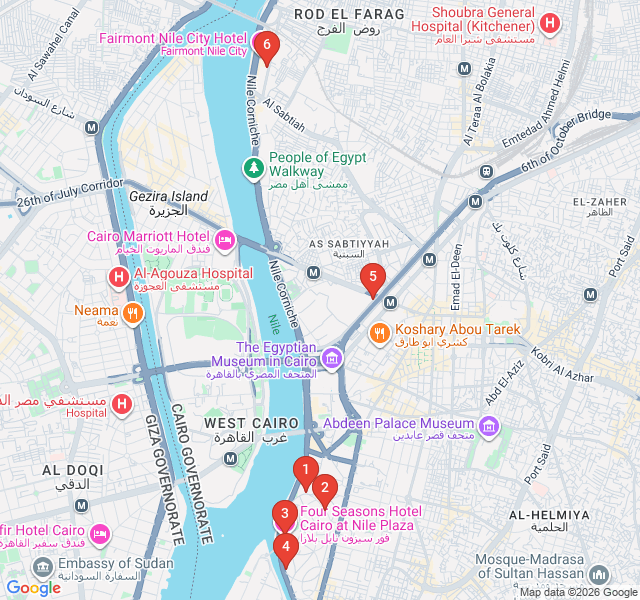
Numbers indicate the order of stops on the tour.
Start exploring with Zigway at the British Embassy, a site that has been a focal point of Egyptian-British relations for over a century. The current building, though heavily fortified today, sits on land that was once part of the sprawling Kasr el-Doubara palace complex. As you stand near the perimeter, notice the heavy stone walls and the sense of isolation. Historically, this location was chosen for its proximity to the Nile and the Khedive’s palace. The presence of this embassy was a primary reason Garden City was designed with such confusing, curved streets—it was meant to be a defensible 'buffer zone' for the British administration. The architecture here represents the 'Old Guard' of Cairo's diplomatic landscape.
Continuing along the curved path, you reach the Aura Garden City Hotel. This stop illustrates the adaptive reuse of the district's historic villas. Many of the buildings in this area were originally private residences for Cairo's elite and foreign dignitaries. Look closely at the balconies and the masonry; you can see the blend of European styles that were fashionable in the early 1900s. Garden City was envisioned as an elite suburb where nature and urban living coexisted, and hotels like this one maintain that atmosphere of quiet luxury amidst the chaos of the surrounding metropolis. It is a perfect spot to observe the neighborhood's characteristic 'green' feel.
As you emerge toward the Nile Corniche, the Four Seasons Nile Plaza stands as a modern titan. While the building itself is contemporary, its location is steeped in history. It occupies the site of former palaces that once lined the riverbank. This stop offers a moment to appreciate the scale of Cairo's development. From this vantage point, you can see how the city has shifted from the low-rise villas of the 1920s to the soaring glass and stone structures of the 21st century. The Nile has always been the primary orienting force for Cairo's architecture, and the luxury hotels along this stretch are the modern successors to the royal residences of the past.
Look up at the Belmont Building, one of the most significant landmarks on this walking route. Designed by the visionary architect Naoum Shebib—the same man who designed the Cairo Tower—this was once the tallest building in the city when it was completed in the 1950s. It represents a bold shift toward Modernism and Art Deco. Its streamlined curves and repetitive window patterns were a departure from the ornate styles seen earlier. Named after the cigarette brand that famously advertised on its roof, the building remains a symbol of mid-century Cairo's ambition and its embrace of international architectural trends. It is a true 'skyscraper' of its era.
Heading north toward the edge of the Downtown district, you encounter the Consulate of Italy. This building is a stark and impressive example of Italian Rationalist architecture from the 1930s. Notice the clean lines, the lack of excessive ornamentation, and the imposing, symmetrical facade. It stands in contrast to the more whimsical curves of Garden City, reflecting the political and social ideologies of the time it was built. It serves as a reminder of the diverse international community that shaped Cairo's urban identity during the early 20th century, bringing styles from Rome, Paris, and London to the banks of the Nile.
The final stop on this self-guided adventure brings you to the Canadian Embassy. This location highlights the continued importance of the diplomatic corridor as it extends toward the leafy island of Zamalek. The architecture here is more understated, fitting for a modern administrative building, but the surrounding area continues the theme of high-walled gardens and quiet, prestige-filled streets. Reflect on the journey you have taken—from the defensible curves of the British Embassy through the Modernist heights of the Belmont Building, ending here where the city's diplomatic heart continues to beat. From here, you are well-positioned to explore the cafes and boutiques of Zamalek.
Start Free on iPhone
Explore “Curved Streets and Art Deco of Garden City” with your very own Private Tour Guide with Zigway. Start free on iPhone, skip the large group and the fixed routes, and hear the city come alive as you go.
Your Private Tour Guide
Don't miss the good stuff
Explore Freely
 Easy
EasyCairo, Egypt
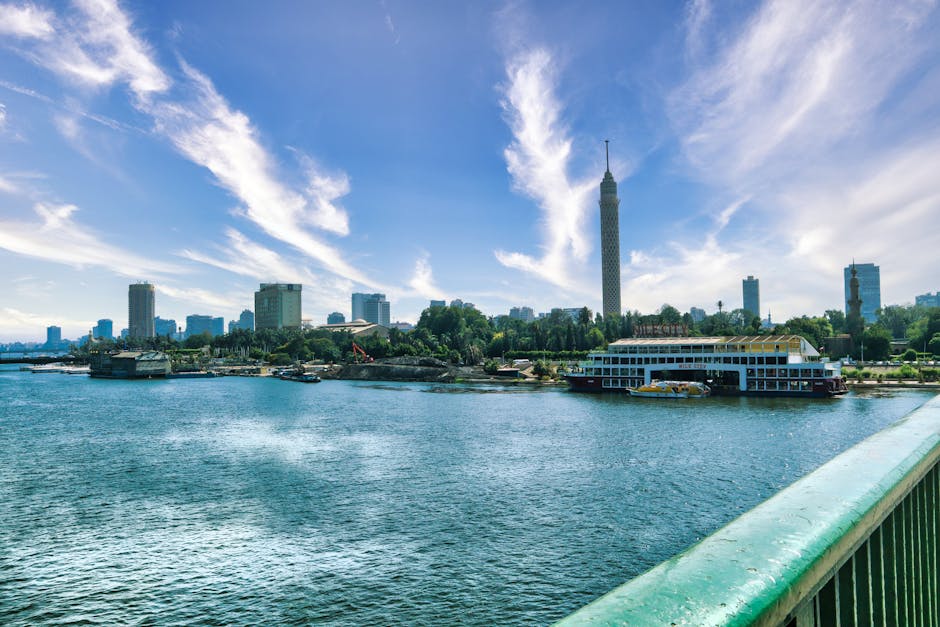
Discover the art, architecture, and tranquil gardens of Gezira Island on this elegant self-guided neighborhood stroll through Zamalek.
 Easy
EasyCairo, Egypt
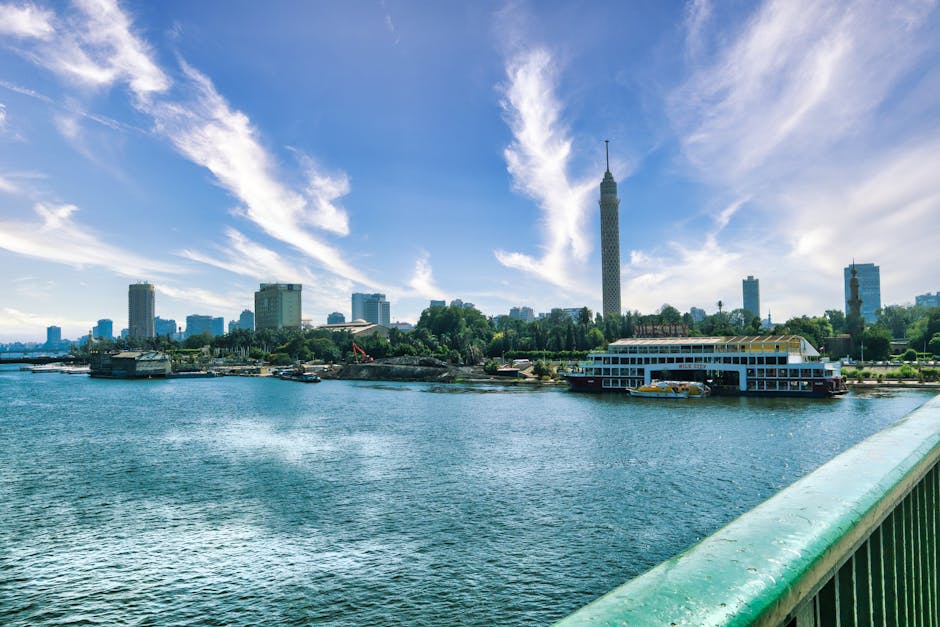
Explore the hidden heart of Egypt’s modern art scene with this self-guided walk through Downtown Cairo’s most influential independent galleries.
 Easy
EasyCairo, Egypt
Taste the heart of Egypt on this self-guided walk through Downtown Cairo’s most iconic street food spots, from Koshary towers to historic cafés.
 Easy
EasyCairo, Egypt
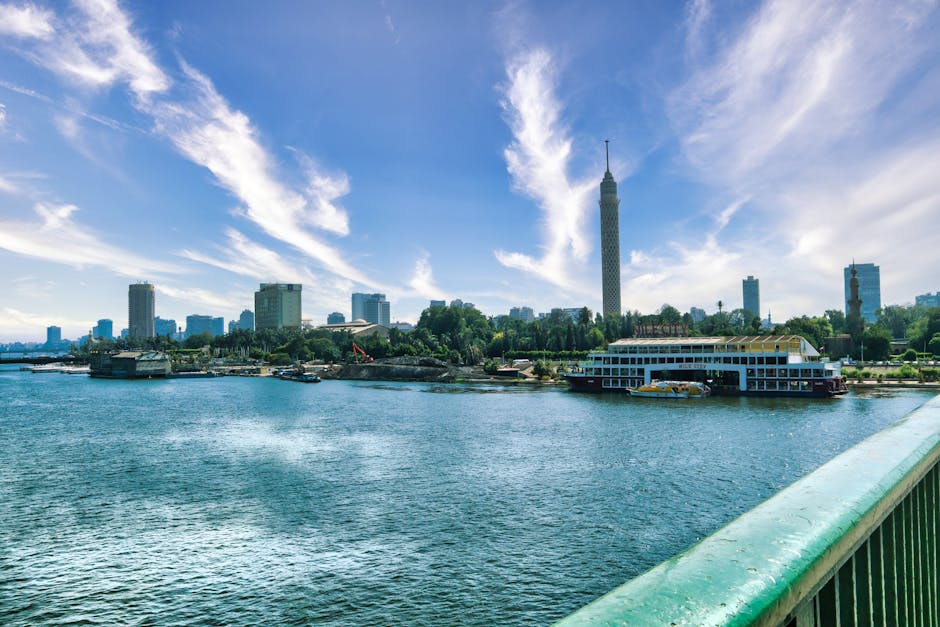
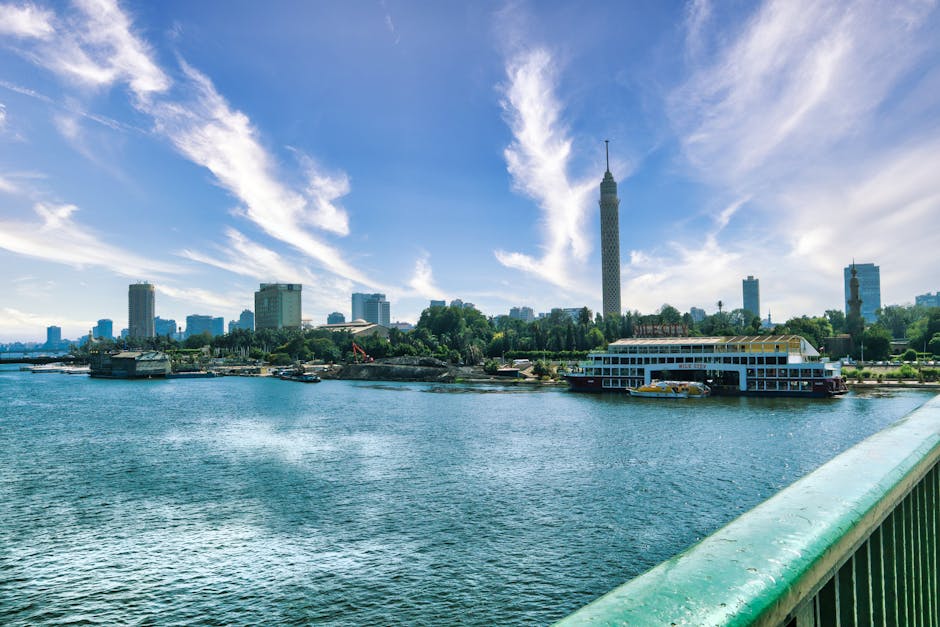
Explore Cairo's waterfront at sunset. From the iconic lions of Qasr El Nil to the quiet, circular streets of historic Garden City.
 Easy
EasyWarsaw, Poland
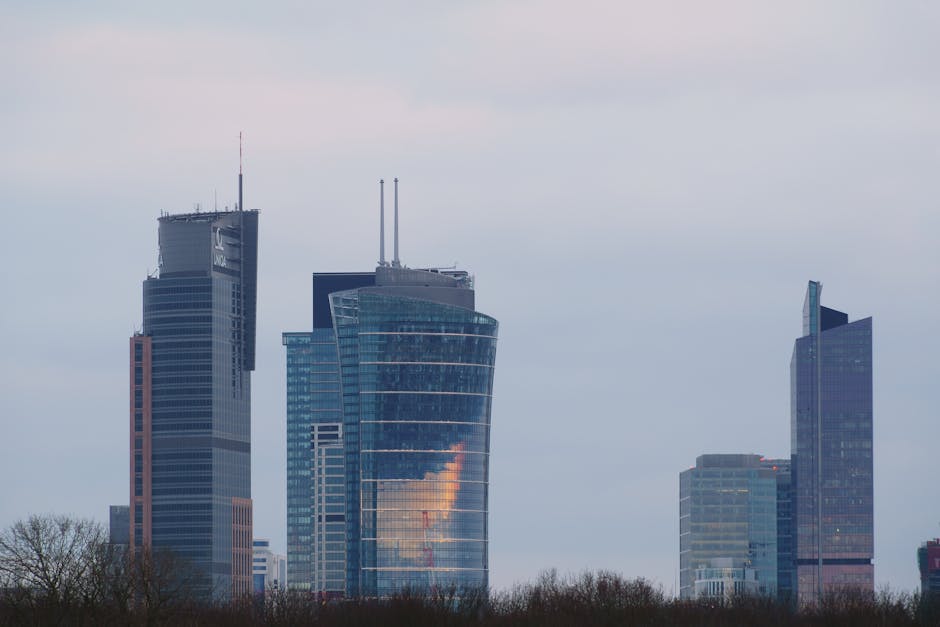
Discover the hidden courtyards and grand pre-war architecture of Warsaw's most atmospheric neighborhood on this self-guided stroll.
 Easy
EasySalzburg, Austria
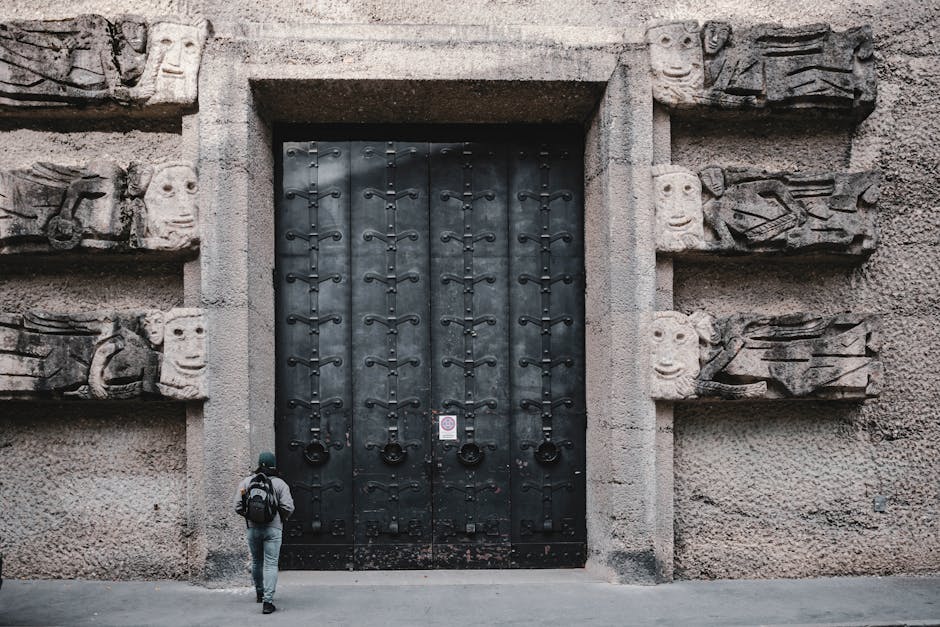
Discover Salzburg's oldest medieval alley, the birthplace of the 'Silent Night' author, and breathtaking views on this quiet self-guided walk.
 Easy
EasyHelsinki, Finland
Discover Helsinki's oldest neighborhood on this self-guided audio walk through Kruununhaka’s historic streets, hidden courtyards, and scenic shores.
 Easy
EasyNairobi, Kenya
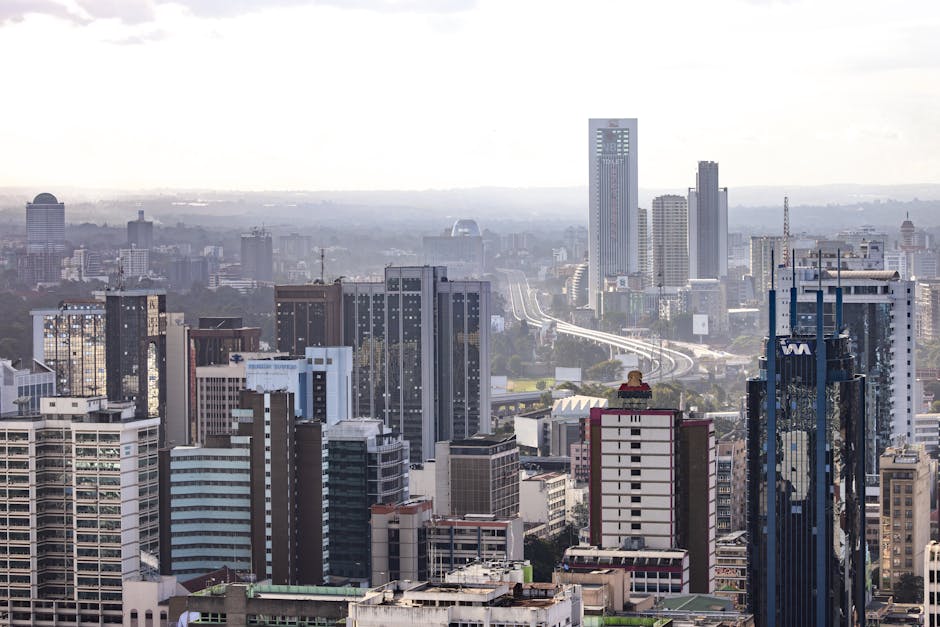
Discover Nairobi's iconic skyline on this self-guided architecture walk through the CBD’s most famous modernist and Brutalist landmarks.