Self-guided audio tour in Ho Chi Minh City
Start Free on iPhone
Start free on iPhone to unlock this self-guided walking tour in Ho Chi Minh City. Hear all the stories that make it amazing, walk at your own pace, and begin whenever you want.
Your Private Tour Guide
While many visitors flock to the French colonial landmarks of District 1, this neighborhood stroll through District 3 and its surroundings reveals the soul of 20th-century Vietnam: Southern Modernism. This architectural movement, which flourished between the 1940s and 1970s, represents a unique fusion of international modernist principles with traditional Vietnamese motifs and climate-sensitive design. On this self-guided walk, you will discover how local architects reimagined the city using reinforced concrete, geometric sunscreens, and open-air ventilation. The route begins at the vibrant Tan Dinh Market, a colonial-era foundation that sets the stage for the city's evolution. As you move toward the spiritual heart of Vinh Nghiem Buddhist Temple, you will see one of the first major structures in the country to blend traditional pagoda aesthetics with modern concrete construction. This walking tour Ho Chi Minh City offers a rare look at the 'Golden Age' of Vietnamese architecture, where functionalism met artistic flair. You will encounter the iconic Turtle Lake, a whimsical mid-century monument that served as a social hub for the city's youth, and the monumental Independence Palace, a masterpiece of architect Ngo Viet Thu. The journey concludes at the General Science Library, a brutalist-inspired structure that exemplifies the sophisticated use of vertical louvers and decorative screens. This walking route is perfect for design enthusiasts and history buffs who want to see a side of the city that goes beyond the standard postcards. By exploring independently, you can take the time to notice the intricate 'ventilation bricks' and the way light plays across the textured facades of these historic buildings. This walking tour Ho Chi Minh City provides the context needed to appreciate the resilience and creativity of Vietnamese designers during a period of intense transformation.
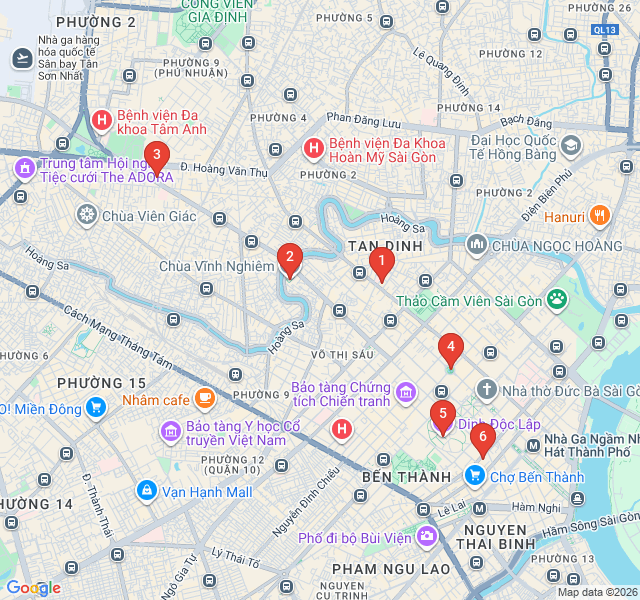
Numbers indicate the order of stops on the tour.
Start your self-guided adventure at one of the city's oldest and most vibrant traditional markets. Established in 1926 during the French colonial era, Tan Dinh Market serves as a perfect architectural starting point. While the main facade reflects colonial styles, look closely at the surrounding area to see how modern commerce has integrated into the historic fabric. The market is famous for its textiles and street food. Notice the high vaulted ceilings designed for natural ventilation—a precursor to the climate-conscious designs of the later modernist movement. This bustling hub provides a sensory introduction to the density and energy of the city.
Built between 1964 and 1971, this temple is a landmark of Vietnamese Modernism. Designed by architect Nguyen Ba Lang, it was the first pagoda in Vietnam built using reinforced concrete. It represents a bold departure from traditional wooden structures while maintaining the essence of Buddhist aesthetics. Observe the massive concrete pillars and the grand staircase, which echo the scale of mid-century civic buildings. The temple's design proves that modern materials could be used to express ancient spiritual values, blending a heavy, brutalist feel with delicate traditional roof curves.
As you continue along the Nguyen Van Troi corridor, the Vissai Saigon Hotel represents the evolution of the city's hospitality architecture. While more contemporary than the mid-century landmarks, this area was historically the 'protocol road' connecting the airport to the city center. The architecture along this stretch showcases the transition from the low-rise modernist villas of the 1960s to the vertical, glass-and-stone developments of the modern era. It is a testament to the city's continuous growth and its status as a commercial powerhouse.
Turtle Lake, or Ho Con Rua, is a quintessential example of 1960s urban design. Architect Nguyen Ky designed this sunken fountain and monument at a major intersection, creating a unique social space. The central concrete 'lotus' flower and the elevated walkways are hallmarks of the era's optimistic design language. Though the bronze turtle that once gave the lake its name is gone, the site remains a beloved gathering spot. It perfectly illustrates the 'Tropical Modernist' approach—using concrete to create shade, water features for cooling, and open structures that invite the breeze.
The Independence Palace is the crown jewel of Southern Modernism. Completed in 1966 by Rome Prize-winning architect Ngo Viet Thu, the building is a masterclass in symbolic design. The facade is designed to resemble Chinese characters representing 'Good Fortune' and 'Loyalty.' Inside, the layout balances Western functionalism with Eastern feng shui principles. From the stone-carved 'curtains' that provide shade to the grand reception halls, every detail reflects a desire to create a modern identity for Vietnam. It remains one of the best-preserved examples of mid-century government architecture in the world.
Conclude your walking route at this stunning example of late-modernist architecture. Completed in 1971, the library features a striking exterior of vertical concrete louvers and geometric screens. These elements are not just decorative; they are functional 'brise-soleil' designed to protect the interior from the tropical sun while allowing airflow. The building sits on a site with a complex history, once housing a colonial prison. Its transformation into a temple of knowledge, housed in a sophisticated brutalist frame, is a powerful symbol of the city's mid-century intellectual and architectural ambitions.
Start Free on iPhone
Explore “Vietnamese Modernism Architecture Walk” with your very own Private Tour Guide with Zigway. Start free on iPhone, skip the large group and the fixed routes, and hear the city come alive as you go.
Your Private Tour Guide
Don't miss the good stuff
Explore Freely
 Moderate
Ho Chi Minh City, Vietnam
Explore the history of the Vietnam War at your own pace through iconic landmarks and hidden clandestine sites in Districts 1 and 3.
 Moderate
Ho Chi Minh City, Vietnam
Explore Saigon’s coffee evolution from 1930s clay-pot brews to modern specialty roasters on this self-guided walk through District 1 and 3.
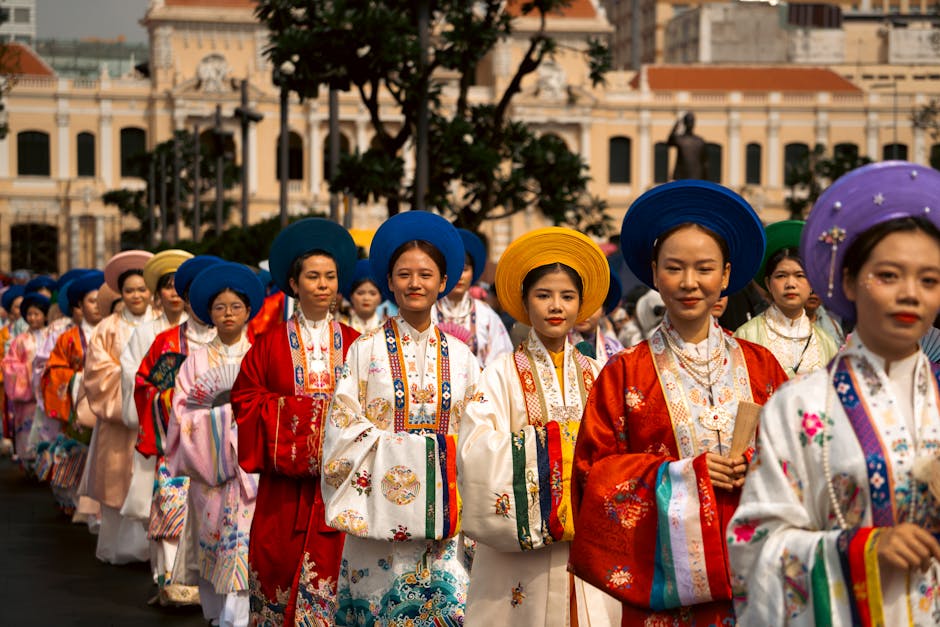 Moderate
Ho Chi Minh City, Vietnam
Explore the soul of Ho Chi Minh City's Chinatown on this self-guided walk through historic markets and ornate Cantonese assembly halls.
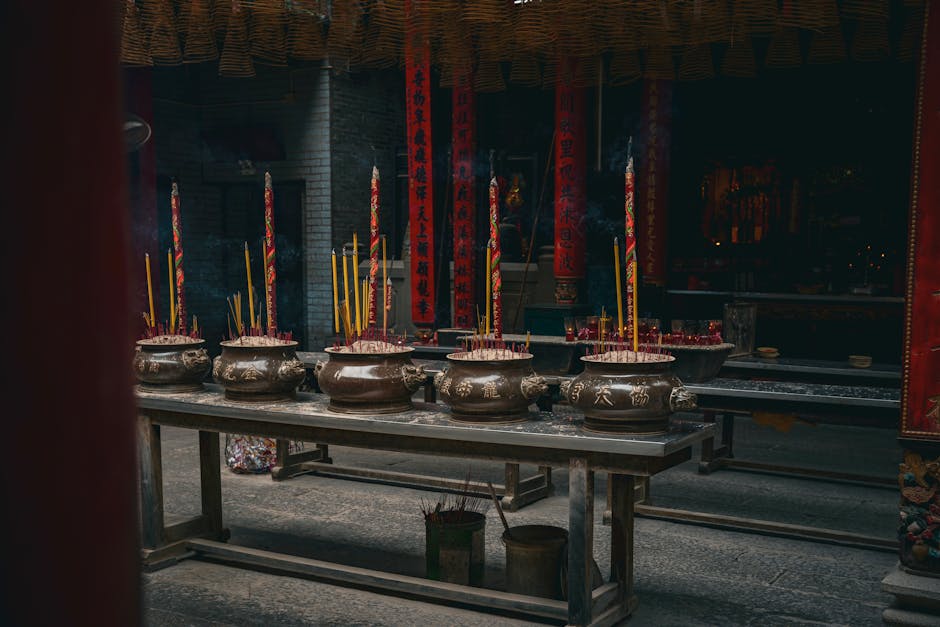 Easy
EasyHo Chi Minh City, Vietnam
Discover the vibrant spirituality and stunning architecture of District 3, from serene pagodas to the iconic Pink Church.
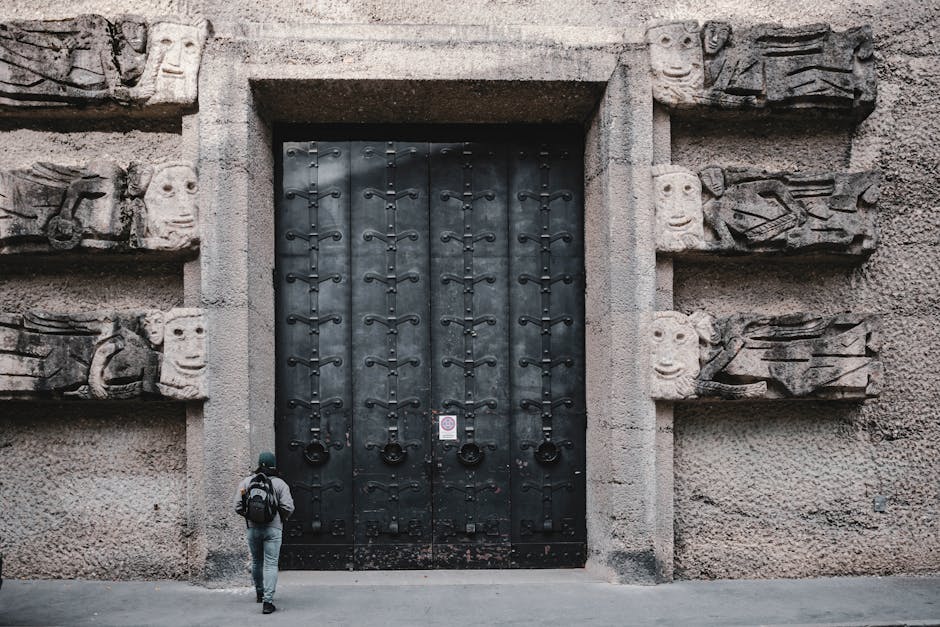 Easy
EasySalzburg, Austria
Discover Salzburg's oldest medieval alley, the birthplace of the 'Silent Night' author, and breathtaking views on this quiet self-guided walk.
 Easy
EasyNairobi, Kenya
Discover Nairobi's iconic skyline on this self-guided architecture walk through the CBD’s most famous modernist and Brutalist landmarks.
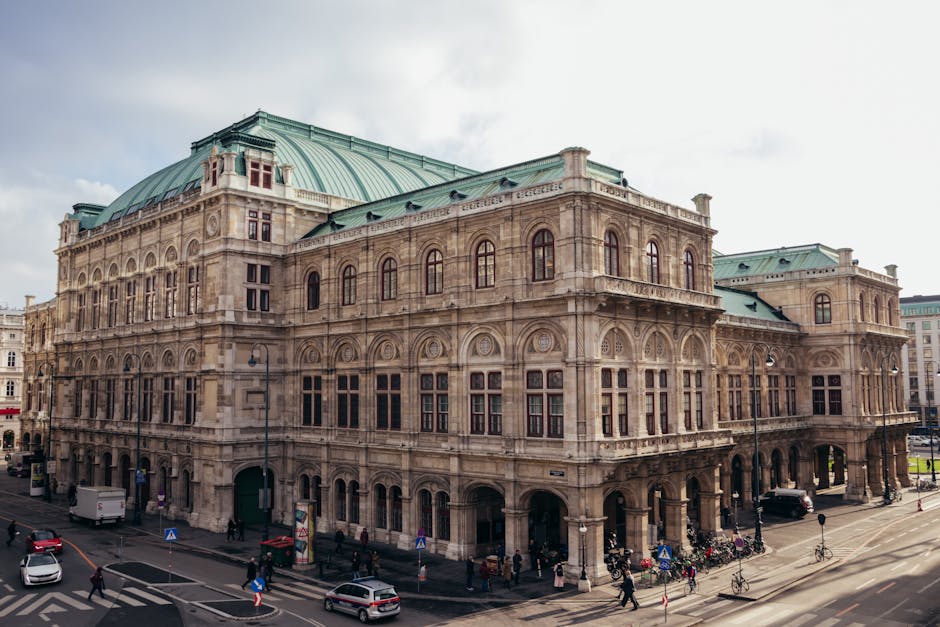 Moderate
Vienna, Austria
Discover the noir world of The Third Man and Cold War Vienna on this atmospheric self-guided audio walk through the historic Innere Stadt.
 Easy
EasyKrakow, Poland
Explore the prestigious Jagiellonian University district, featuring Neo-Gothic architecture, Baroque churches, and Krakow's hidden scholarly gems.
 Moderate
Hanoi, Vietnam
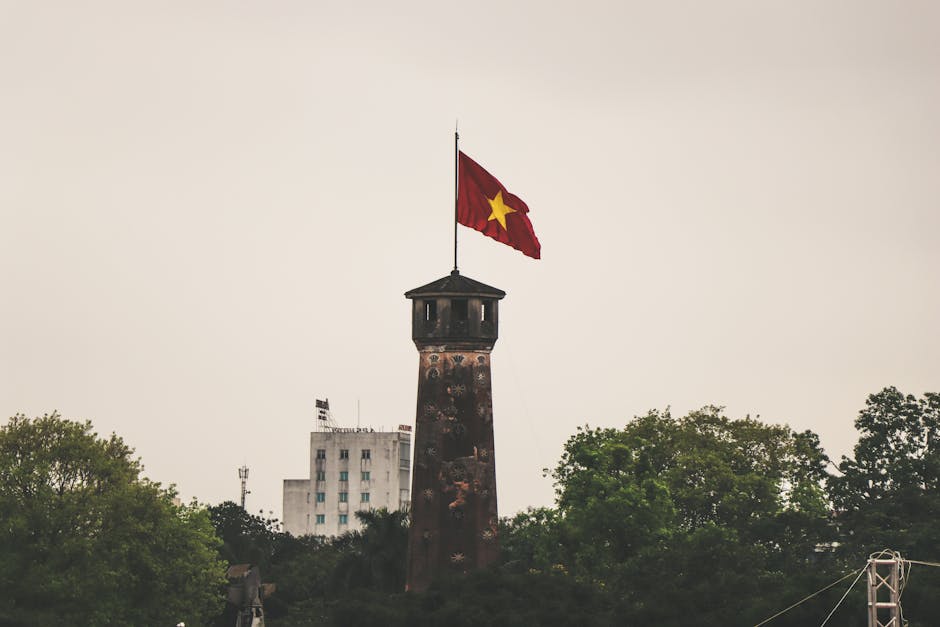
Discover Hanoi's resilient spirit on this self-guided audio walk through wartime bunkers, historic prisons, and military landmarks.
 Easy
EasyHanoi, Vietnam
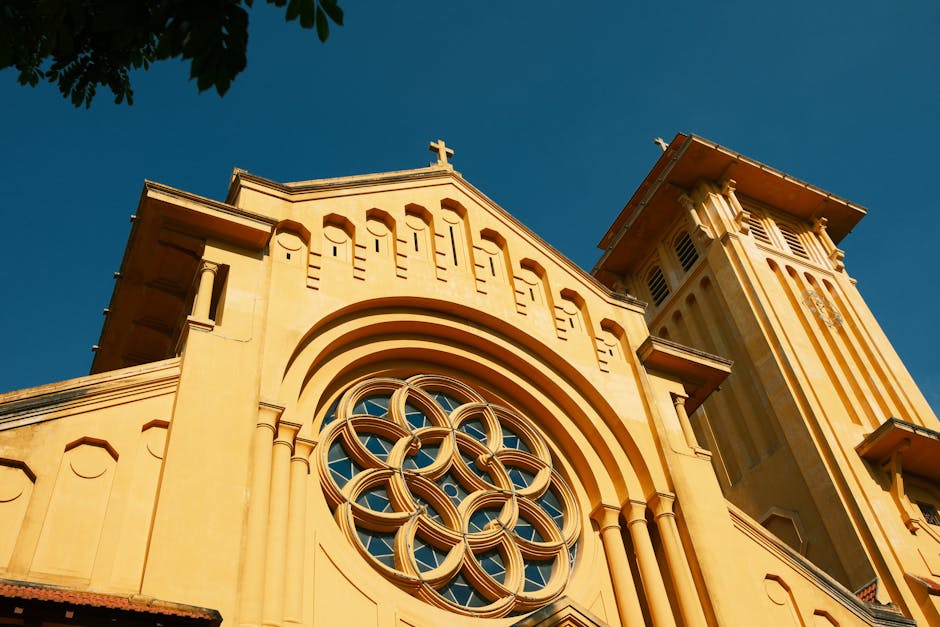
Discover Hanoi's spiritual heart and scenic vistas on an independent stroll featuring ancient pagodas, colonial architecture, and sunset lake views.
 Easy
EasyHanoi, Vietnam
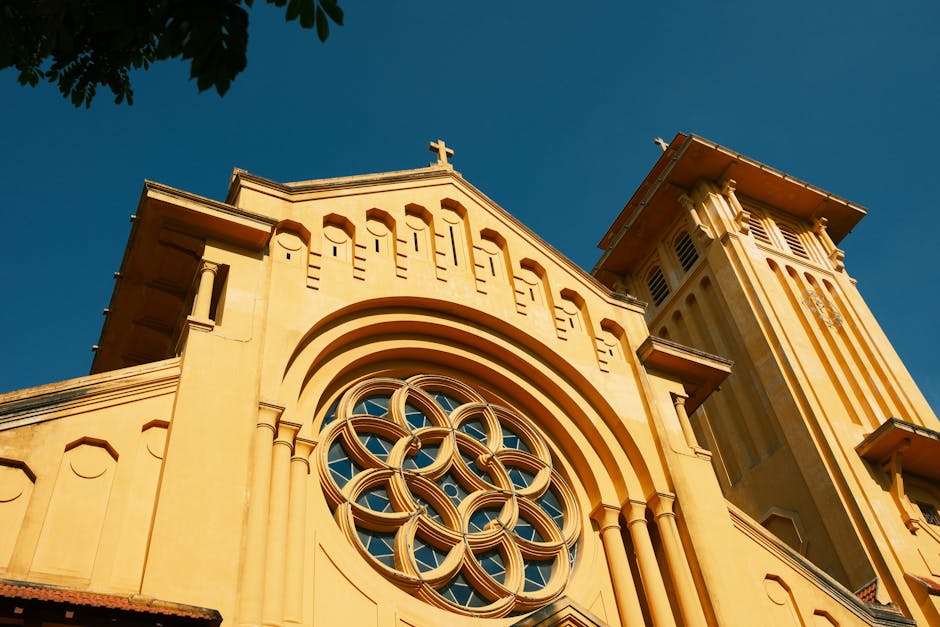
Explore Hanoi's diverse spiritual heritage on this self-guided walk through historic pagodas, a Neo-Gothic cathedral, and lakeside temples.
 Easy
EasyHanoi, Vietnam
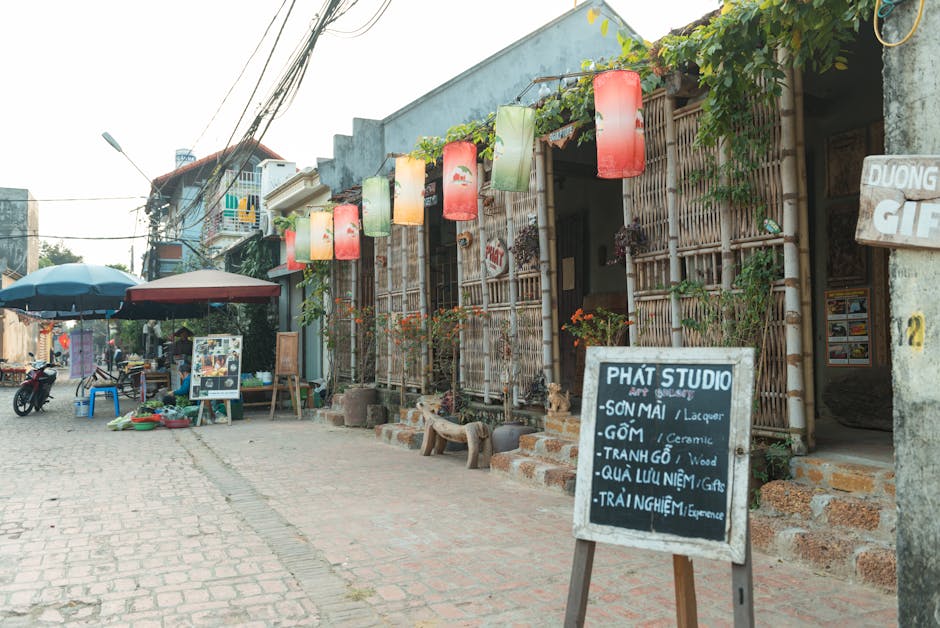
Discover Hanoi's vibrant soul through railway-side murals, historic tracks, and the record-breaking Ceramic Road on this self-guided walk.