Self-guided audio tour in Vienna
Start Free on iPhone
Start free on iPhone to unlock this self-guided walking tour in Vienna. Hear all the stories that make it amazing, walk at your own pace, and begin whenever you want.
Your Private Tour Guide
Escape the bustle of the Inner Stadt and discover the dual soul of Vienna’s most famous park. This self-guided walking route leads you through the Leopoldstadt district to the legendary Prater, a vast green expanse that has served as an imperial hunting ground, a world-class exhibition site, and a beloved playground for generations of Viennese. Your journey begins at the intersection of modern history and nostalgic charm, exploring the stories behind one of the world's oldest amusement parks before transitioning into the tranquil woodland paths that offer a breath of fresh air in the heart of the city. You will encounter the iconic silhouette of the Viennese Giant Ferris Wheel, a symbol of the city that has survived world wars and starred in classic cinema. Beyond the neon lights and vintage carousels of the Wurstelprater, this walking route Vienna invites you to explore the newly reimagined Prater Museum, where the colorful and often quirky history of this public space is preserved. As you leave the mechanical sounds of the fairground behind, the path opens up into the expansive greenery of the 'Green Prater,' where wide meadows and ancient trees provide a stunning backdrop for nature photography and peaceful reflection. The centerpiece of the walk is the Prater Hauptallee, a magnificent four-kilometer-long chestnut-lined avenue that serves as the city’s favorite corridor for runners, cyclists, and strollers. This stretch of the walking tour Vienna follows the footsteps of emperors and commoners alike, eventually leading you to the elegant Lusthaus. Once an imperial hunting lodge, this architectural gem now marks the peaceful conclusion of your neighborhood stroll. Whether you are drawn by the mechanical history of the 19th-century rides or the quiet majesty of the forest paths, this self-guided adventure provides a comprehensive look at the cultural and natural heritage of Leopoldstadt.
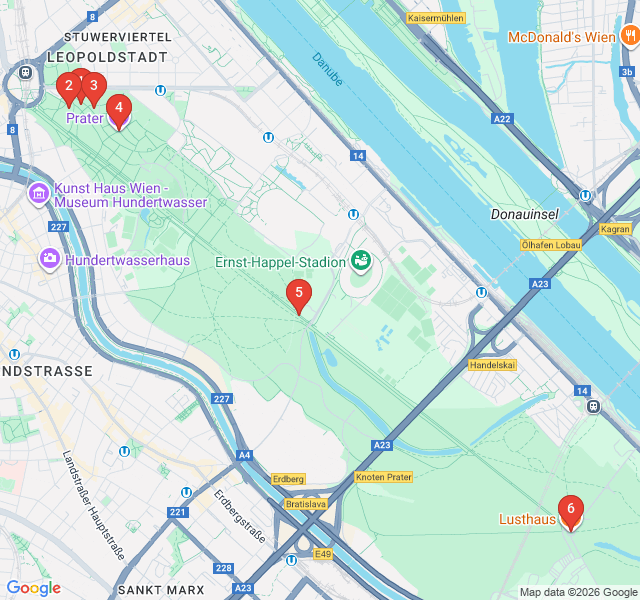
Numbers indicate the order of stops on the tour.
Welcome to the Prater Museum, located in its striking new home. This museum tells the story of the Prater’s evolution from an imperial hunting ground to a 'People’s Prater' after Emperor Joseph II opened it to the public in 1766. Inside, you can find remnants of the 'Venice in Vienna' theme park and the legendary 1873 World’s Fair. The exhibits showcase the quirky, colorful, and sometimes strange side of Viennese entertainment history, including vintage posters, mechanical figures, and the history of the performers who once called this park home. It is the perfect starting point to understand the cultural significance of the ground you are about to walk.
Standing before you is the Wiener Riesenrad, one of Vienna’s most enduring symbols. Erected in 1897 to mark the Golden Jubilee of Emperor Franz Joseph I, it was then one of the largest Ferris wheels in the world. It narrowly escaped demolition after World War II, though it lost half of its original 30 cabins in the process. Film fans will recognize it from the 1949 noir classic 'The Third Man' or the James Bond film 'The Living Daylights.' Its red wooden cabins and iron lattice work offer a nostalgic glimpse into the engineering of the late 19th century, remaining a testament to the city's resilience and charm.
The Wurstelprater is the entertainment heart of the park. Named after 'Hanswurst,' a popular comic character from traditional puppet theater, this area has been a source of joy for centuries. Unlike many modern theme parks, the Wurstelprater is free to enter and consists of many independent operators. As you walk through, look for the 'Calafati' figure, a giant Chinese man that is a mascot of the park. You will pass vintage carousels that have been spinning for over a hundred years alongside modern high-adrenaline rides. The atmosphere here is a unique blend of old-world Viennese 'Gemütlichkeit' and contemporary carnival energy.
As the sounds of the amusement park fade, you enter the 'Grüner Prater' or Green Prater. This area was once the alluvial forest of the Danube, and it remains one of the city's most vital ecological lungs. In the 18th century, only the aristocracy was allowed here for hunting, but today it is a democratic space for all. The landscape transitions from manicured lawns to dense woodlands and wetlands. It is a favorite spot for local families to picnic and for photographers to capture the interplay of light through the canopy. Keep an eye out for local wildlife, including deer and various bird species that still call this urban forest home.
You are now walking on the Hauptallee, a 4.5-kilometer-long boulevard that is entirely car-free. Flanked by over 2,500 chestnut trees, this avenue is the spine of the Prater. Historically, it was the site of aristocratic carriage parades and flower festivals. More recently, it gained international fame in 2019 when Eliud Kipchoge broke the two-hour marathon barrier on this very stretch, chosen for its perfectly flat terrain and sheltered atmosphere. Whether you are walking, cycling, or just resting on a bench, the rhythmic perspective of the trees creates a sense of profound peace that feels miles away from the city center.
The walk concludes at the Lusthaus, an elegant octagonal building that dates back to the late 18th century. Originally built as a royal summer house and hunting lodge, it was strategically placed at the end of the Hauptallee. After the Prater was opened to the public, it became a fashionable meeting place for the Viennese elite. Today, it operates as a charming restaurant and café. Its classic architecture and tranquil setting at the edge of the forest make it a perfect spot to reflect on your journey. From the imperial hunters of the past to the marathon runners of today, the Lusthaus has witnessed the many transformations of Vienna.
Start Free on iPhone
Explore “Ferris Wheels and Forest Paths: A Prater Adventure” with your very own Private Tour Guide with Zigway. Start free on iPhone, skip the large group and the fixed routes, and hear the city come alive as you go.
Your Private Tour Guide
Don't miss the good stuff
Explore Freely
 Easy
EasyVienna, Austria
Explore Vienna’s vibrant open-air gallery along the Danube Canal on this self-guided street art and nightlife stroll through Leopoldstadt.
 Moderate
Vienna, Austria
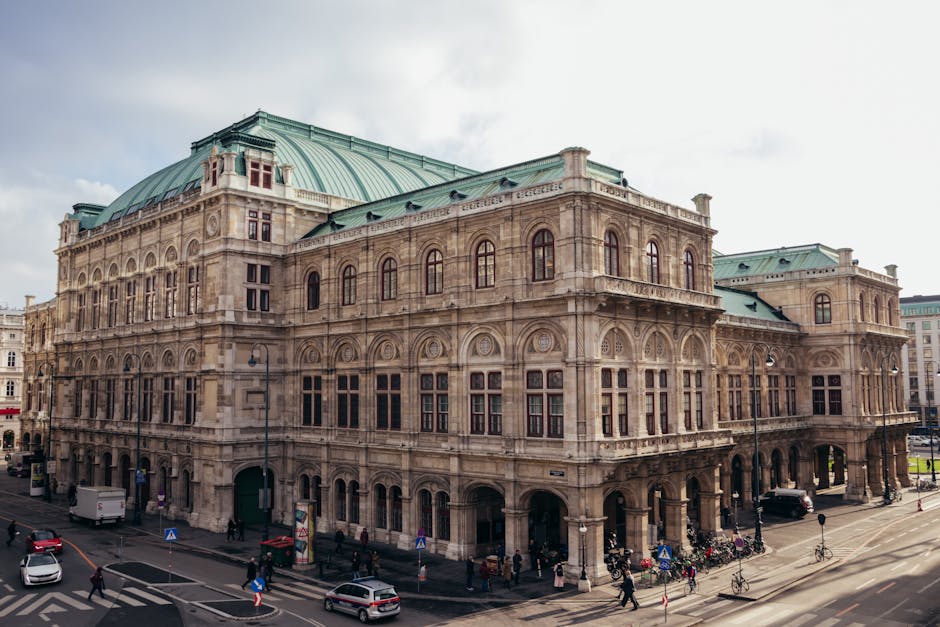
Follow the footsteps of Mozart and Strauss through Vienna’s historic center on this self-guided walk through the city's rich musical history.
 Moderate
Vienna, Austria
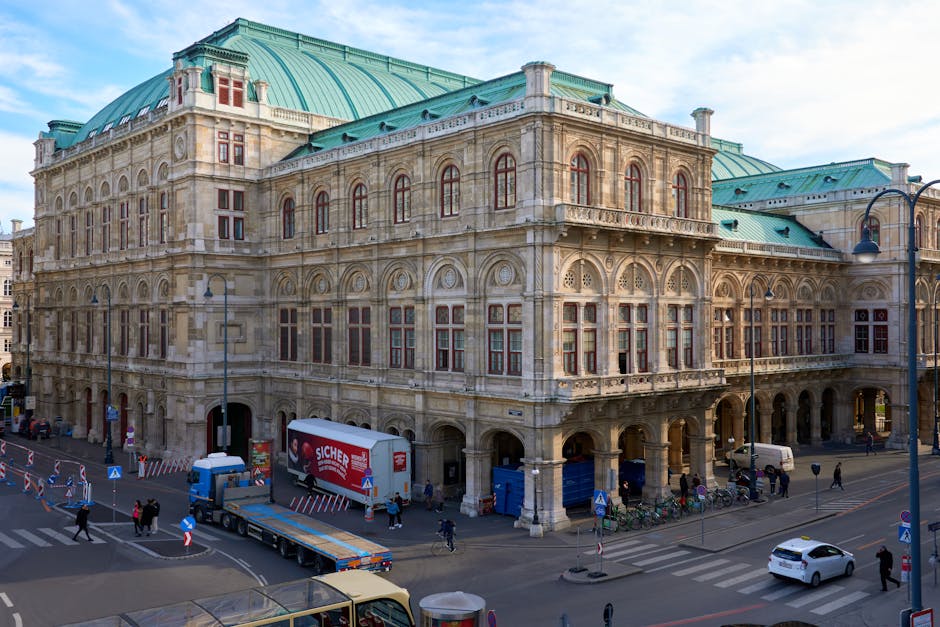
Discover the noir world of The Third Man and Cold War Vienna on this atmospheric self-guided audio walk through the historic Innere Stadt.
 Easy
EasyVienna, Austria
Discover the literary haunts and architectural gems of Vienna's legendary coffee culture on this self-guided stroll through the historic city center.
 Moderate
Krakow, Poland
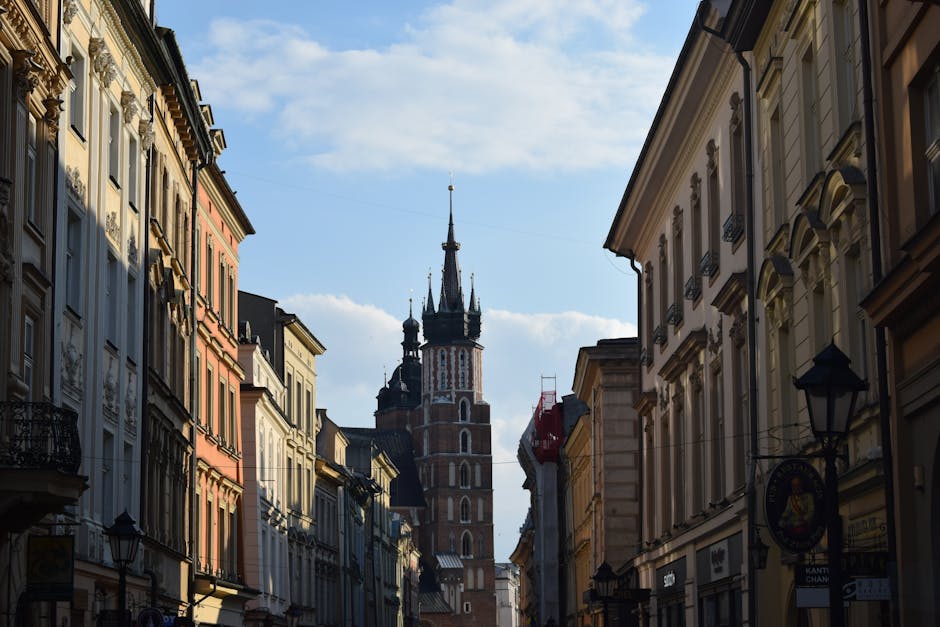
Discover Krakow’s stunning skyline and riverside charm on this self-guided audio walk through scenic viewpoints and historic mounds.
 Moderate
Helsinki, Finland
Explore the 'Gibraltar of the North' on this independent walking route through the historic bastions and hidden gardens of Suomenlinna Sea Fortress.
 Moderate
Gothenburg, Sweden
Explore Gothenburg’s lush "Green Lung" on this self-guided walk through the Botanical Garden, Slottsskogen park, and rugged Änggård Mountains.
 Moderate
Nairobi, Kenya
Discover the creative soul of Nairobi on this self-guided walk through the city's premier art galleries, markets, and artisan workshops.
 Easy
EasySalzburg, Austria
Discover the 'Rome of the North' on this self-guided walk through the Baroque squares and monumental legacy of Salzburg’s Prince-Archbishops.
 Easy
EasySalzburg, Austria
Discover Salzburg's oldest medieval alley, the birthplace of the 'Silent Night' author, and breathtaking views on this quiet self-guided walk.
 Easy
EasySalzburg, Austria
Walk through the iconic filming locations of The Sound of Music and discover the real history of the von Trapp family in Salzburg.
 Challenging
Salzburg, Austria
Scale the heights of Salzburg on this self-guided walk to the Hohensalzburg Fortress, exploring medieval walls and ancient monastic grounds.