Self-guided audio tour in Los Angeles
Start Free on iPhone
Start free on iPhone to unlock this self-guided walking tour in Los Angeles. Hear all the stories that make it amazing, walk at your own pace, and begin whenever you want.
Your Private Tour Guide
Step into the cinematic soul of Los Angeles with this atmospheric self-guided walk through Chinatown. As the sun sets and the neon signs flicker to life, the neighborhood transforms into a scene straight out of a film noir. This walking route Los Angeles offers is designed for those who want to see beyond the tourist facade and uncover the layers of history, art, and grit that define the district. From the glowing Gateway Monument to the hidden art galleries of Chung King Road, you will experience the unique intersection of traditional heritage and modern urban subculture. Chinatown is not just a place for dining; it is a living set that has played host to some of Hollywood’s most iconic moments, including the namesake noir classic 'Chinatown' and the high-octane action of 'Rush Hour'. On this neighborhood stroll, you will explore the storied Far East Plaza, which has evolved from a 1960s shopping hub into a world-class culinary destination. You will also visit the serene Thien Hau Temple, where the scent of incense mingles with the evening air, and the bustling Central Plaza, the first modern American Chinatown owned and developed by Chinese settlers. The route concludes in the moody, dimly lit alleys of Chung King Road, where former retail shops now house cutting-edge contemporary art galleries. This audio walk allows you to move at your own pace, soaking in the architectural details and the vibrant street life that makes this corner of the city so magnetic. Whether you are a photography enthusiast looking for the perfect neon shot, a film buff tracing the steps of Jake Gittes, or a local seeking a new perspective on a familiar haunt, this walking route provides a deep dive into the 'Noir' side of the city. Discover the secrets hidden in the shadows of the red lanterns and the stories etched into the pavement of this historic enclave.
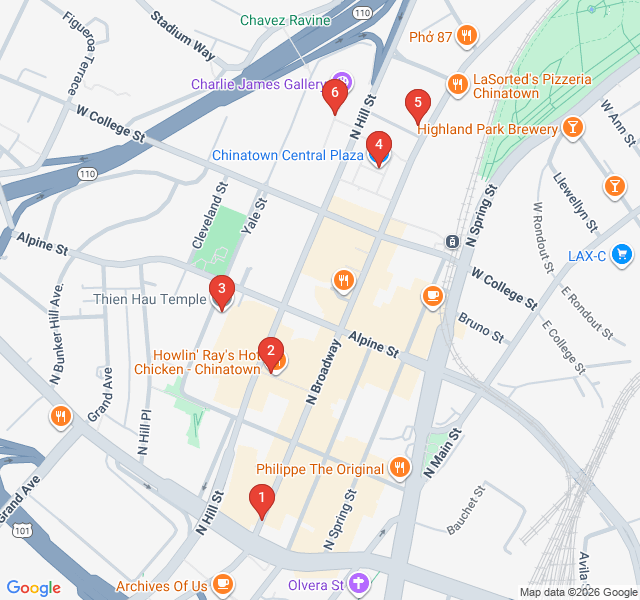
Numbers indicate the order of stops on the tour.
Welcome to the entrance of a neighborhood where history and Hollywood collide. The Chinatown Gateway Monument, also known as the 'Dragon Gate,' was installed in 2001 and serves as a vibrant threshold to this historic district. As you look up at the twin dragons chasing a pearl, notice the intricate 'Paifang' style architecture. In the evening, the gate glows with traditional neon, setting the mood for our noir-inspired stroll. This monument doesn't just mark a geographic boundary; it represents the resilience of a community that moved here after the original Chinatown was demolished to make way for Union Station in the 1930s. Take a moment to capture the neon glow before we head deeper into the heart of the district.
Far East Plaza, built in 1960, is a landmark of mid-century architecture and a testament to the neighborhood's evolution. Originally one of the first modern shopping malls in the area, it has recently become the epicenter of Los Angeles' culinary scene. While it maintains its vintage charm with neon signage and tiered walkways, it now houses some of the city's most famous eateries. This plaza captures the 'noir' aesthetic perfectly—shadowy corners, bright signs, and a constant buzz of activity. It is a place where old-school herbalists share space with trendy coffee shops, illustrating the multigenerational story of Chinatown. Walk through the ground floor to feel the pulse of the neighborhood's modern revival.
As we reach the Thien Hau Temple, the atmosphere shifts from commercial bustle to spiritual serenity. Dedicated to Mazu, the Goddess of the Sea, this temple is a vibrant center of worship for the local Vietnamese-Chinese community. Interestingly, the building was originally a Christian church before being converted in the 1980s. At night, the temple is often illuminated by hundreds of red lanterns, casting a crimson glow over the ornate carvings and statues. The smell of burning incense is a constant here, creating a sensory bridge between the modern city and ancient traditions. It is a quiet, powerful spot that offers a different kind of light in the Chinatown night.
You are now standing in the heart of cinematic Chinatown. Central Plaza was the first outdoor mall of its kind, designed in 1938 with a 'Hollywood' version of Chinese architecture to attract tourists and film crews. This very plaza appears in the final, haunting scenes of the 1974 masterpiece 'Chinatown.' Look for the statue of Dr. Sun Yat-sen and the wishing well, which have remained virtually unchanged for decades. The neon-lit buildings and narrow walkways have also served as the backdrop for Jackie Chan’s 'Rush Hour.' This area perfectly encapsulates the 'Noir' theme—a mixture of artifice and reality, where the bright lights of the movie business meet the authentic history of the Chinese diaspora.
Just a few steps away is the Phoenix Bakery, a true neighborhood institution. Founded in 1938 by the Chan family, this bakery has been serving the community for over eighty years. While Chinatown has seen many changes, the Phoenix Bakery remains a constant. They are world-famous for their strawberry whipped cream cake, a dessert that has become a staple at Los Angeles celebrations for generations. The bakery’s vintage sign is a classic piece of the neighborhood’s visual history. Even if you aren't stopping for a treat, the bakery represents the enduring family legacies that have kept Chinatown alive through its many cinematic and social transformations.
Our final stop is Chung King Road, perhaps the most atmospheric 'secret alley' in all of Los Angeles. Originally a pedestrian shopping street for curios and imports, it underwent a dramatic transformation in the late 1990s when artists and gallerists began moving into the vacant storefronts. Today, it is a hub for contemporary art, though it retains its old-world charm with dim lighting, traditional architecture, and a quiet, secluded feel. Walking down this road at night feels like stepping into a hidden world. The contrast between the cutting-edge art inside the galleries and the weathered, historic facades outside is the essence of Chinatown Noir. It’s the perfect place to end your independent exploration.
Start Free on iPhone
Explore “Chinatown Noir: Neon Lights and Secret Alleys” with your very own Private Tour Guide with Zigway. Start free on iPhone, skip the large group and the fixed routes, and hear the city come alive as you go.
Your Private Tour Guide
Don't miss the good stuff
Explore Freely
 Easy
EasyLos Angeles, United States
Explore Tinseltown's glitziest era on this self-guided walk through Hollywood's historic landmarks, haunted hotels, and iconic film locations.
 Moderate
Los Angeles, United States
Explore Victorian mansions, a historic lake, and quirky local landmarks on this self-guided walk through the heart of historic Echo Park.
 Easy
EasyLos Angeles, United States
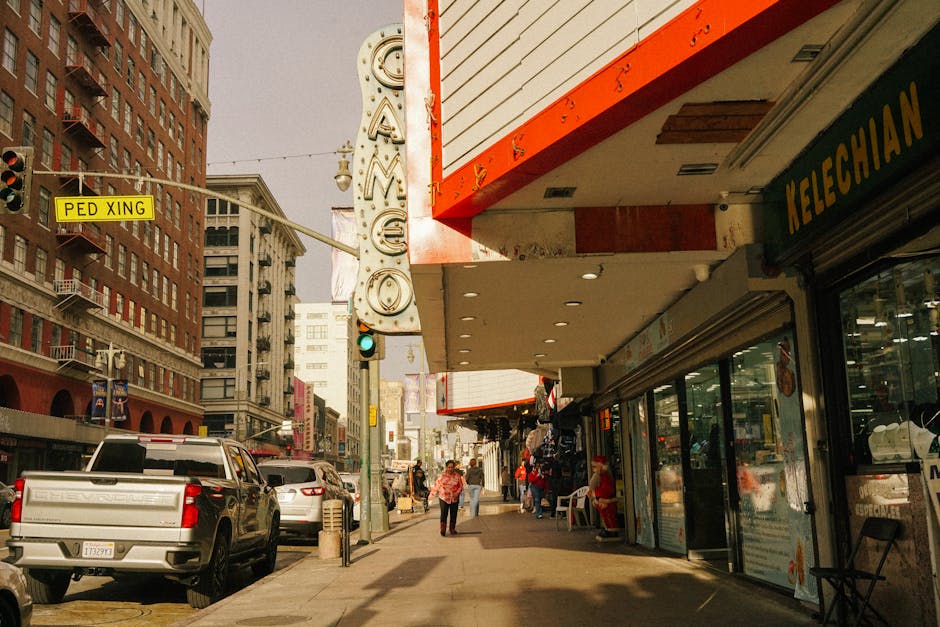
Discover the cinematic landmarks and Art Deco treasures of Downtown LA on this self-guided walking route through the city's historic heart.
 Easy
EasyLos Angeles, United States
Explore the retro charm of LA's Highland Park. Discover historic Victorian homes, neon signs, and quirky landmarks on this self-guided walk.
 Easy
EasyVienna, Austria
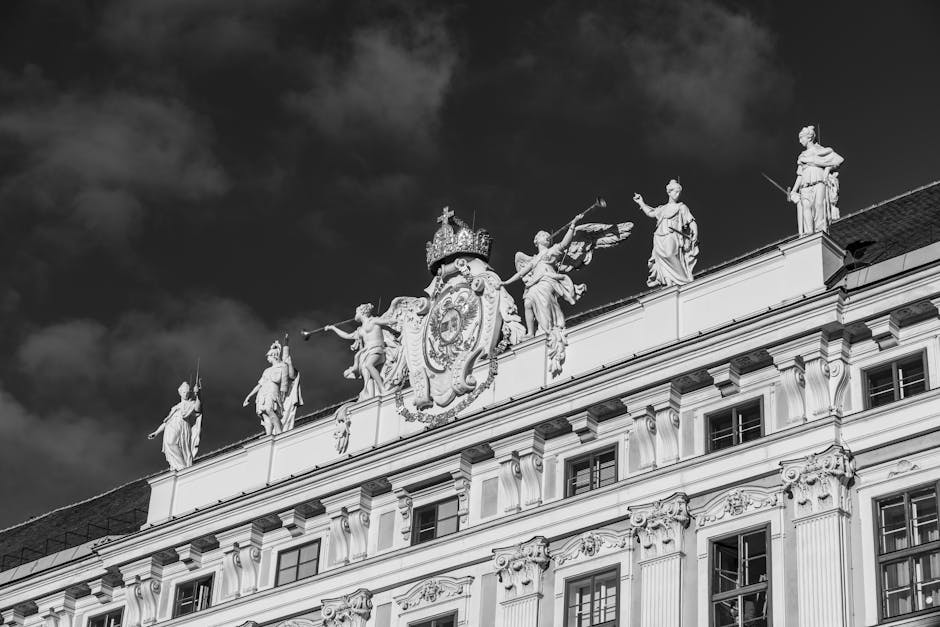
Explore Vienna’s vibrant open-air gallery along the Danube Canal on this self-guided street art and nightlife stroll through Leopoldstadt.
 Easy
EasyKrakow, Poland
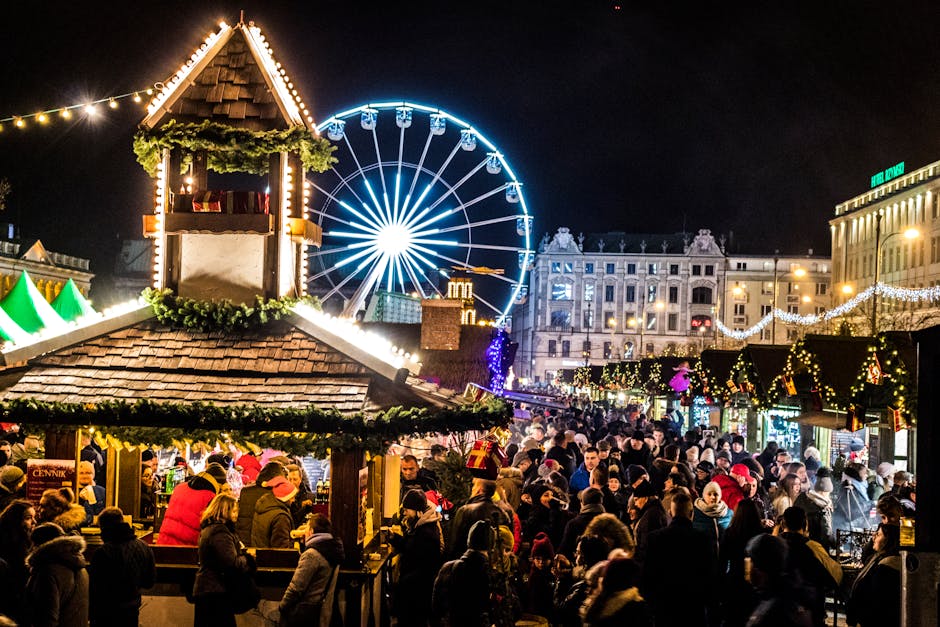
Explore Krakow's hidden nightlife with this self-guided walk through medieval cellars, jazz clubs, and bohemian bars in the Old Town and Kazimierz.
 Moderate
Vienna, Austria
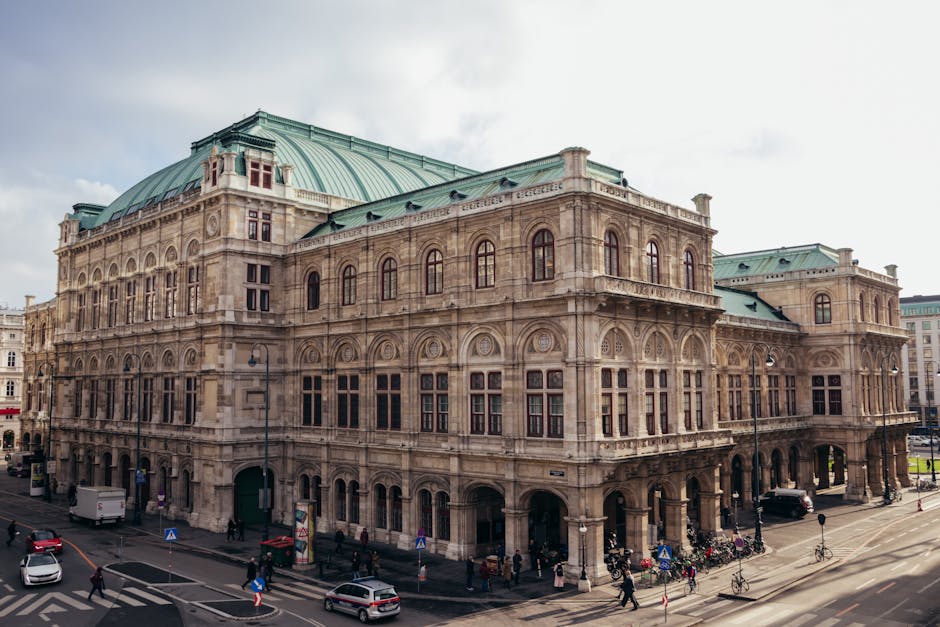
Discover the noir world of The Third Man and Cold War Vienna on this atmospheric self-guided audio walk through the historic Innere Stadt.
 Easy
EasyKrakow, Poland
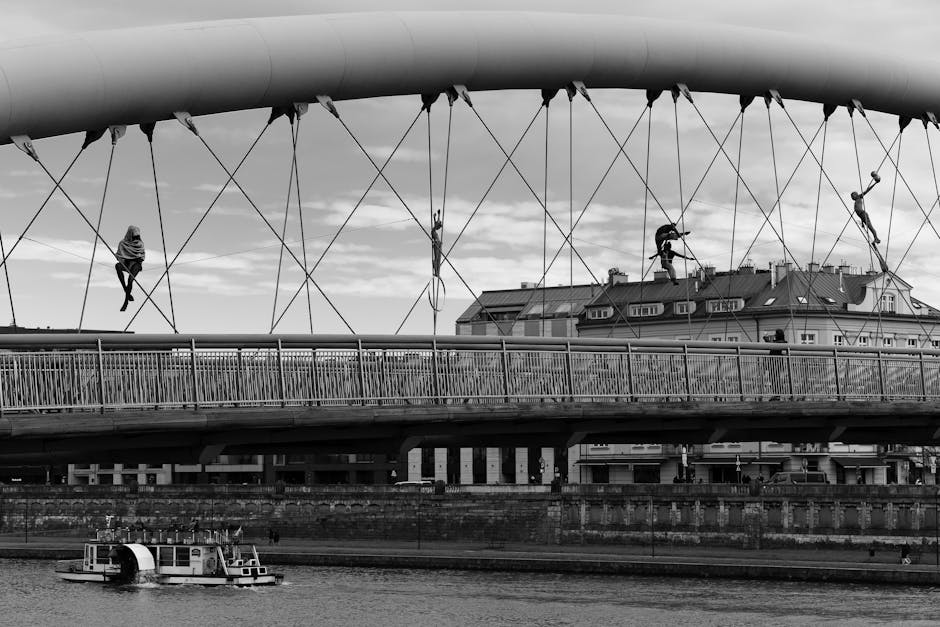
Discover Krakow’s creative soul in Zabłocie, exploring industrial heritage, contemporary art museums, and avant-garde architecture at your own pace.
 Easy
EasyNashville, United States
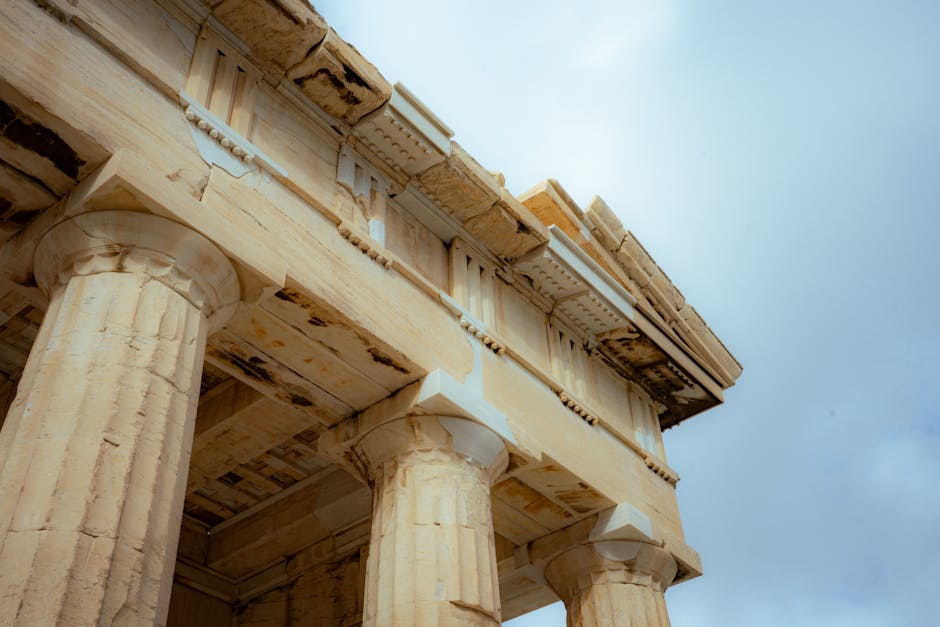
Explore the 'Athens of the South' on this self-guided walk through Centennial Park, featuring the world's only full-scale Parthenon replica.
 Easy
EasyNashville, United States
Explore Nashville's academic heart and Art Deco gems on this self-guided walk through historic Hillsboro Village.
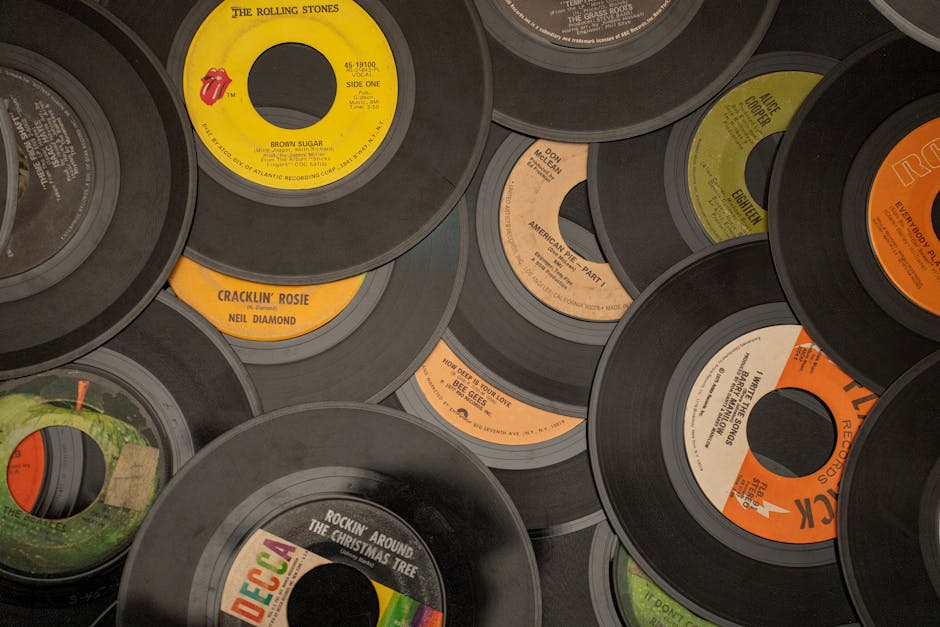 Easy
EasyNashville, United States
Explore the heart of Nashville's music industry. Discover iconic studios and the history of the legendary Nashville Sound at your own pace.
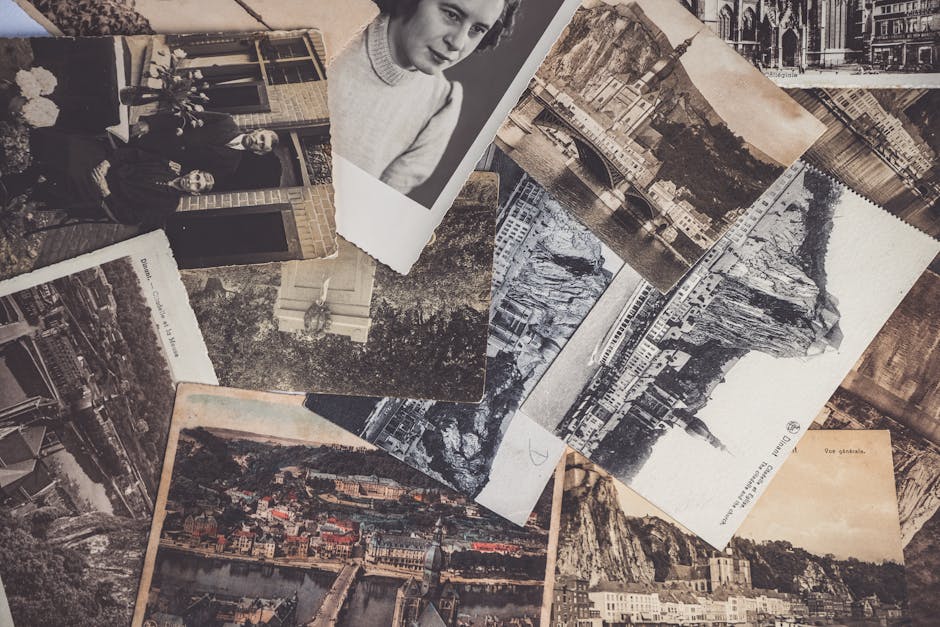 Easy
EasyNashville, United States
Explore Nashville's oldest neighborhood! Discover Victorian architecture, Civil War history, and world-class craft beer on this self-guided walk.