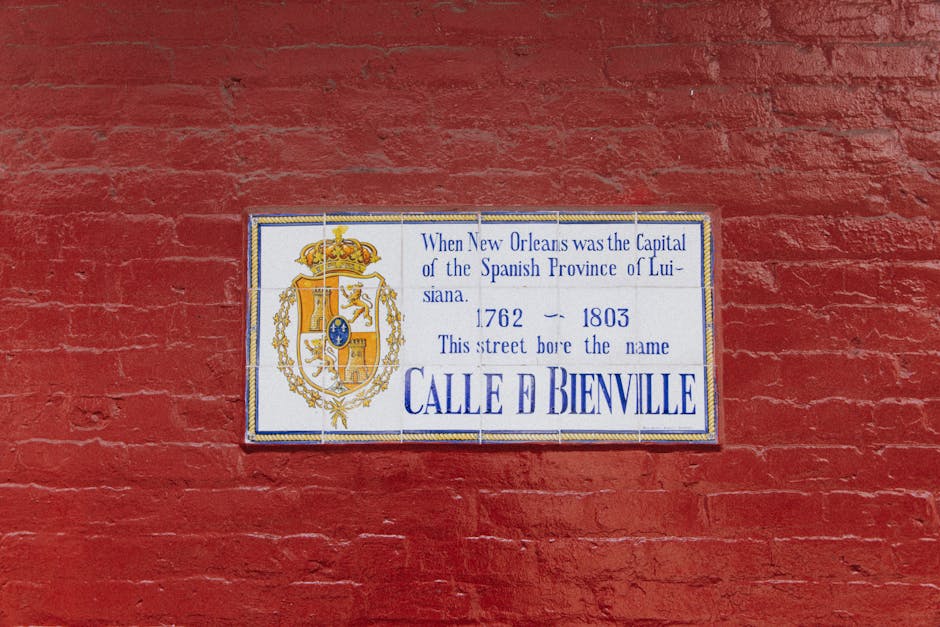
Self-guided audio tour in New Orleans
Start Free on iPhone
Start free on iPhone to unlock this self-guided walking tour in New Orleans. Hear all the stories that make it amazing, walk at your own pace, and begin whenever you want.
Your Private Tour Guide
Step into the rhythmic heart of the Crescent City with a self-guided walk through Treme, the oldest African-American neighborhood in the United States. This neighborhood stroll offers an intimate look at the cradle of jazz, where African traditions, European influences, and Caribbean rhythms fused to create a sound that changed the world. Unlike a standard walking tour New Orleans visitors often take in the French Quarter, this route dives deep into the resilience and creativity of a community that has maintained its unique identity for centuries. As you explore independently, you will encounter the hallowed grounds of Congo Square, where enslaved people gathered on Sundays to keep their ancestral music alive, and the solemn Tomb of the Unknown Slave, a poignant reminder of the area's complex history. This walking route highlights the architectural beauty of Creole cottages and the spiritual significance of St. Augustine Catholic Church, the oldest Black Catholic parish in the country. You will also learn about the vibrant traditions of Mardi Gras Indians and Social Aid and Pleasure Clubs at the Backstreet Cultural Museum. While many look for a guided tour New Orleans history buffs will find that this audio walk provides a more personal connection to the story of jazz and the spirit of the Treme. From the brass bands that echo through the streets to the quiet dignity of the historic churchyards, this experience captures the soul of New Orleans. Whether you are a music lover or a history enthusiast, this self-guided adventure allows you to discover the birthplace of legends like Louis Armstrong at your own pace, ensuring you don't miss the hidden gems that make this neighborhood truly legendary. It is an essential walking tour New Orleans travelers should experience to understand the city's true cultural foundation.
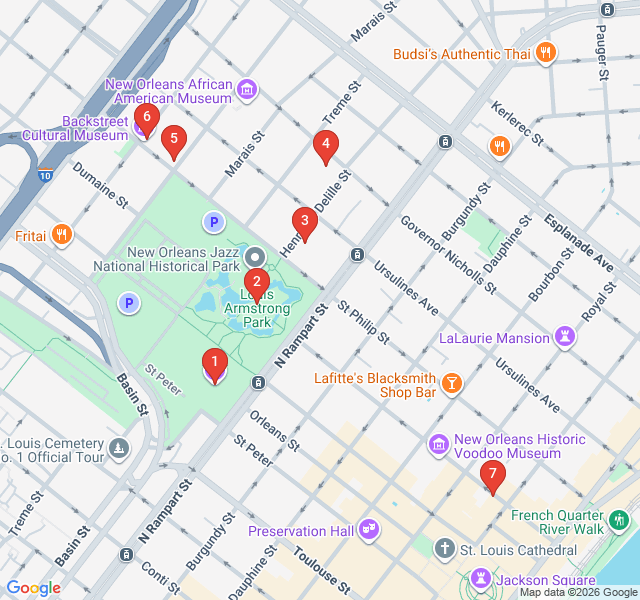
Numbers indicate the order of stops on the tour.
Welcome to the spiritual birthplace of jazz. In the 18th and 19th centuries, this open space was the only place in the United States where enslaved Africans were permitted to gather on Sundays. They brought with them the rhythms, songs, and dances of their homelands—traditions that were suppressed elsewhere. Here, the beating of the Bamboula drums and the sounds of the African lute blended with European melodies. This cultural collision laid the groundwork for what would eventually become jazz, blues, and gospel. Today, the square remains a sacred site for musicians and practitioners of African-derived religions, serving as a powerful symbol of cultural resilience and the enduring spirit of the New Orleans community.
Named after the city's most famous son, 'Satchmo,' this 32-acre park is a tribute to the giants of New Orleans music. As you wander through the grounds, look for the towering statue of Louis Armstrong himself, holding his trumpet toward the sky. The park also honors other legends, like Sidney Bechet, and features the Mahalia Jackson Theater for the Performing Arts. Beyond the statues, the park is a beautifully landscaped space with arched bridges and lagoons, built to revitalize the Treme neighborhood. It serves as a gateway between the French Quarter and Treme, acting as a permanent stage for the festivals and brass band performances that define the city's vibrant outdoor life.
Tucked away on the grounds of St. Augustine Church is one of the most moving memorials in the United States. The Tomb of the Unknown Slave consists of a large cross made of heavy marine chains, with smaller chains draped over it. This monument honors the countless enslaved people who died without a known resting place and whose labor built the very foundations of this city. It was dedicated in 2004 to acknowledge the suffering and the strength of those who were denied their names and their freedom. Standing here offers a quiet moment of reflection on the human cost of history and the ongoing journey toward healing and remembrance in the Treme community.
Founded in 1841, St. Augustine is the oldest African-American Catholic parish in the country. It was established by free people of color who, in a remarkable act of defiance against segregation, purchased pews for enslaved people so that everyone could worship together. The church has been a pillar of the Civil Rights movement and a sanctuary for the neighborhood for nearly two centuries. Its architecture is a classic example of New Orleans religious design, but its true beauty lies in its history of social justice. The church famously fought for its survival after Hurricane Katrina, standing as a testament to the unwavering faith and communal bond of the Treme people.
This isn't just a place for a caffeine fix; it's a neighborhood hub where the modern Treme meets its storied past. Housed in a beautifully restored building, the Treme Coffeehouse is a favorite for locals, musicians, and artists. The interior often features local artwork and historical photographs that tell the story of the surrounding streets. It is the perfect spot to experience the 'village' feel of Treme, where neighbors still greet each other by name and time seems to move a little slower. Grab a New Orleans-style coffee and perhaps a pastry as you soak in the atmosphere of a community that prides itself on its hospitality and its deep-rooted traditions.
To understand the soul of New Orleans, you must understand its 'backstreet' culture. This museum houses the world's most comprehensive collection related to Mardi Gras Indians, Jazz Funerals, and Social Aid and Pleasure Clubs. Founded by the late Sylvester Francis, the museum showcases the incredible artistry of the hand-beaded and feathered suits worn by the Black Masking Indians. Each suit can take a full year to create and weighs upwards of 100 pounds. You will also learn about the Second Line parades—the joyous, rhythmic processions that follow jazz funerals. It is a vibrant, living archive of the traditions that keep the heart of Treme beating loud and proud.
As you reach the edge of Treme and the French Quarter, you encounter the real-world practice of Voodoo. Unlike the 'spooky' caricatures often seen in movies, Voodoo Authentica showcases the religion as a sophisticated spiritual system with roots in West Africa. This shop and cultural center is dedicated to providing accurate information about the faith's history and its role in New Orleans life. You can see handcrafted altars, traditional dolls, and herbal remedies. It is a place of respect and education, highlighting how Voodoo provided a sense of identity and empowerment to enslaved people and continues to be a meaningful spiritual path for many locals today.
Start Free on iPhone
Explore “Treme: The Soul of New Orleans Jazz” with your very own Private Tour Guide with Zigway. Start free on iPhone, skip the large group and the fixed routes, and hear the city come alive as you go.
Your Private Tour Guide
Don't miss the good stuff
Explore Freely
 Easy
EasyNew Orleans, United States
Explore the legendary restaurants and historic flavors of the New Orleans French Quarter on this delicious self-guided audio walk.
 Moderate
New Orleans, United States
Discover vibrant murals, iconic folk art, and industrial charm on this self-guided walking route through New Orleans' artistic Bywater district.
 Easy
EasyNew Orleans, United States
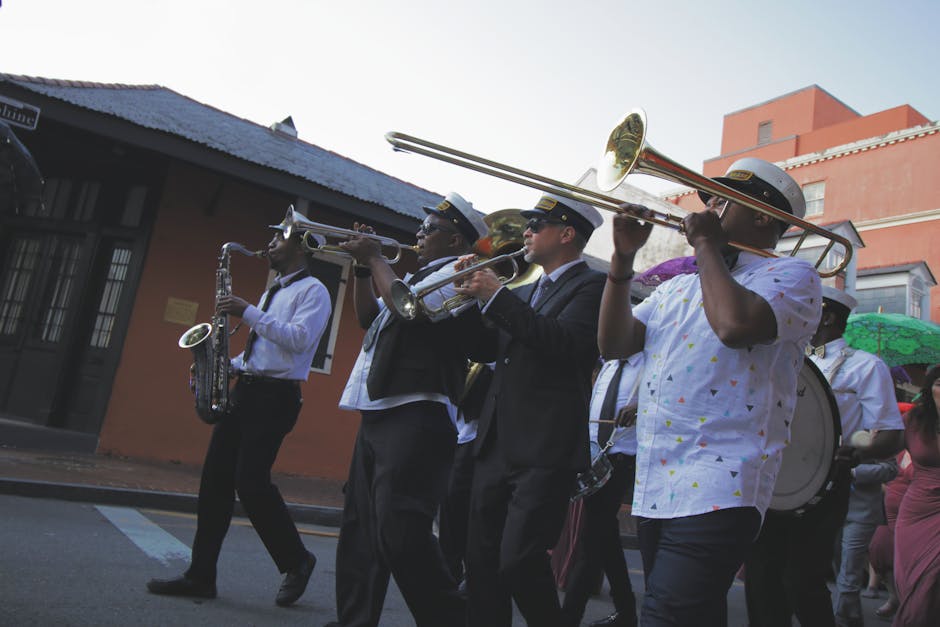
Discover the soul of New Orleans on this self-guided walk through the iconic jazz clubs and vibrant art markets of Frenchmen Street.
 Easy
EasyNew Orleans, United States
Explore the eerie history and supernatural legends of the French Quarter on this independent audio walk through New Orleans' most haunted corners.
 Easy
EasyKrakow, Poland
Explore the prestigious Jagiellonian University district, featuring Neo-Gothic architecture, Baroque churches, and Krakow's hidden scholarly gems.
 Easy
EasyHelsinki, Finland
Discover Helsinki's oldest neighborhood on this self-guided audio walk through Kruununhaka’s historic streets, hidden courtyards, and scenic shores.
 Easy
EasyGothenburg, Sweden
Explore Gothenburg's maritime soul on this self-guided walk from historic shipyards to sleek modern piers and iconic industrial landmarks.
 Easy
EasyNairobi, Kenya
Discover Nairobi’s literary soul on this self-guided walk through historic libraries, iconic bookshops, and cultural centers in the heart of the CBD.
 Easy
EasyNashville, United States
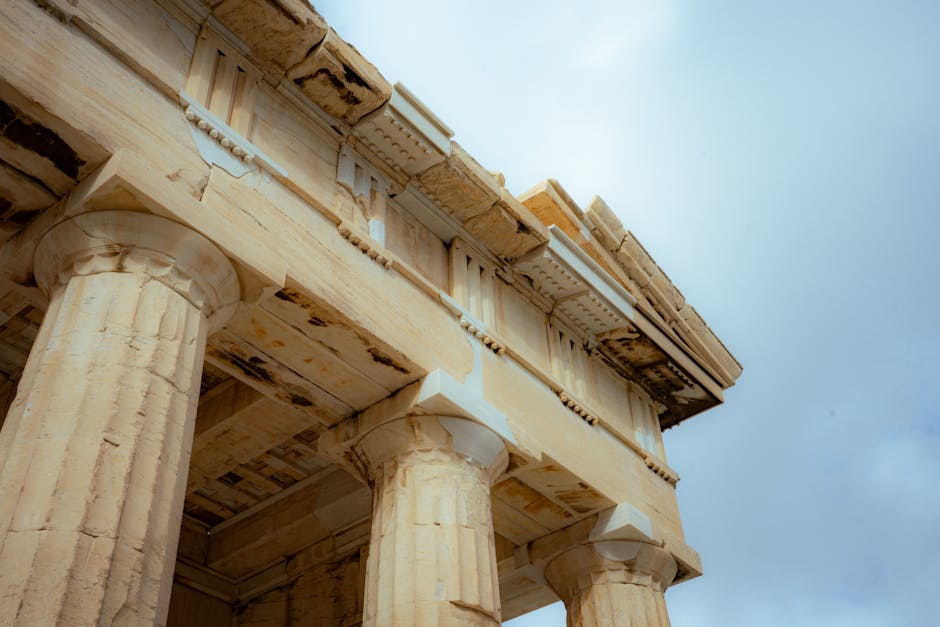
Explore the 'Athens of the South' on this self-guided walk through Centennial Park, featuring the world's only full-scale Parthenon replica.
 Easy
EasyNashville, United States
Explore Nashville's academic heart and Art Deco gems on this self-guided walk through historic Hillsboro Village.
 Easy
EasyNashville, United States
Explore the heart of Nashville's music industry. Discover iconic studios and the history of the legendary Nashville Sound at your own pace.
 Easy
EasyNashville, United States
Explore Nashville's oldest neighborhood! Discover Victorian architecture, Civil War history, and world-class craft beer on this self-guided walk.