Self-guided audio tour in Seattle
Start Free on iPhone
Hear the stories behind the streets and sights around you as you walk Seattle. Try it free on iPhone.
Your Private Tour Guide
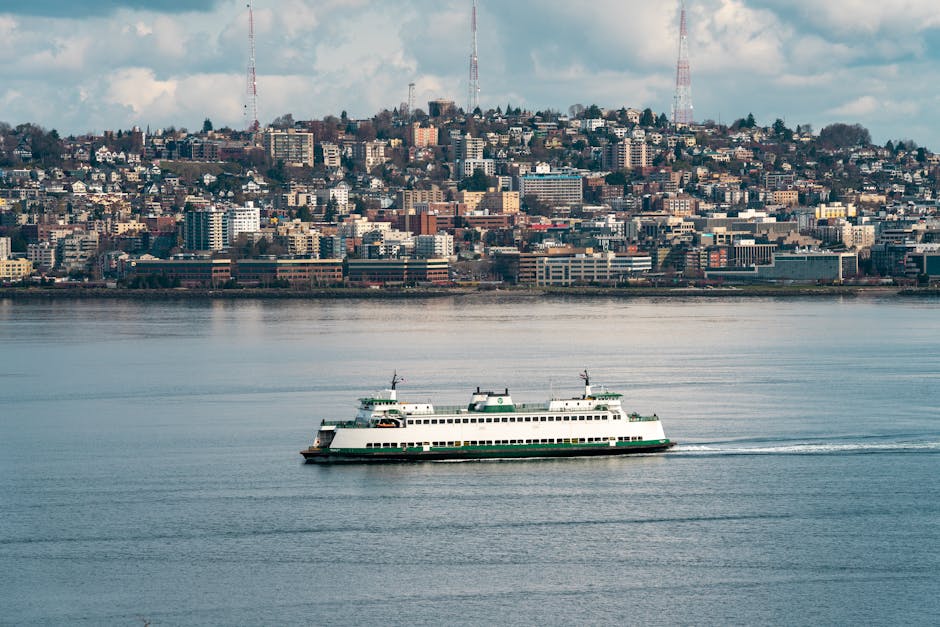
Ballard, the Seattle neighborhood built by Nordic immigrants, fishermen and mill workers, is the subject of this self-guided walk from Ballard Avenue to the Locks and Fishermen's Terminal. Ballard's Nordic Roots & Nautical Routes is about where Scandinavian heritage meets hard industrial work. Ballard calls itself part of Seattle, but it still feels like a seafaring village with its heart somewhere in the North Atlantic. You start in the historic district, where cobblestones and salty air hint at the loggers, mill workers and fishermen who built the place. For over a century Ballard was its own town before Seattle annexed it, and you can still feel that stubborn independence. Along the route you'll see what the Nordic immigrants left behind. They turned this corner of the Pacific Northwest into a global fishing powerhouse. There's the noisy, cheerful local market and the quiet galleries of the Nordic Museum, so you get both sides of Ballard's character. Ballard Avenue is lined with turn-of-the-century brick buildings, and these days they hold some of the city's best-loved restaurants and shops. It's a good mix of history and present-day neighborhood life. Then the route heads for the water. The Hiram M. Chittenden Locks are a serious bit of engineering, linking the saltwater of Puget Sound with the freshwater of Seattle's lakes. Watching salmon on the move, or boats shuffling carefully through the locks, is about as Seattle as it gets. The walk ends at Fishermen's Terminal, home port of the North Pacific fishing fleet. Masts, nets and working boats everywhere, the sea is the whole point here. Into maritime history, Nordic culture or just a scenic walking tour of Seattle away from the downtown towers, you'll get a real look at the city's working waterfront. Go at your own pace. Sit at a dockside cafe for a while or spend an hour in the museum, and you'll leave the Emerald City knowing a part of it most visitors miss.
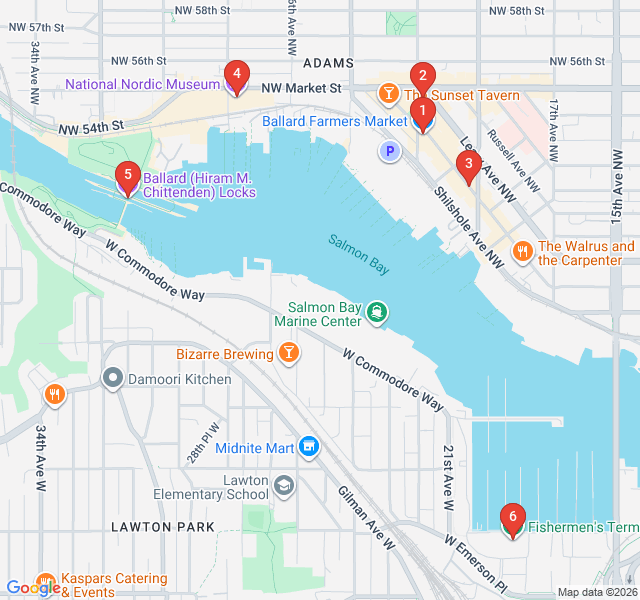
Numbers indicate the order of stops on the tour.
You're starting in the heart of Ballard. Come on a Sunday and you'll catch one of Seattle's liveliest community get-togethers right here. On other days, this stretch of Ballard Avenue still tells the story of a mill town that turned into a food destination. This market was the first in the city to sell only Washington state produce, which helped give Ballard its name as a place that cares about local craft. Look at the buildings around you. They go back to the late 1800s, when Ballard was a city of its own and was known as the Shingle Capital of the World. The early residents were an independent lot, and that streak hasn't gone away.
Bergen Place sits in the triangle where the neighborhood's streets come together, and it honors Ballard's deep Scandinavian roots. It's named after Seattle's sister city in Norway. King Olav V of Norway officially dedicated the park in 1975. Have a look at the mural and the plaques, which tell the story of the waves of Nordic immigrants who settled here. The landscape felt familiar to them, and there was work in fishing and timber. It's a small park, but it makes a big point. For many years you'd hear Norwegian on these streets about as often as English.
Ballard Avenue looks a lot like it did in 1907, the year Seattle annexed Ballard. The street is a federally designated historic district, protected so it keeps its turn-of-the-century look. Check out the original cobblestones under your feet and the loading docks built into the shopfronts. In the early 20th century this street was full of saloons serving tough crowds of mill workers and sailors. Those same brick fronts now hold trendy boutiques and award-winning restaurants. Seattle has kept its rough industrial past and its polished present on the same street, without losing the history.
The National Nordic Museum is a striking modern building designed to look like a fjord. Inside, it tells the story of the five Nordic nations, Denmark, Finland, Iceland, Norway and Sweden, and how they shaped the Pacific Northwest. It doesn't stop at history either. The museum also covers Nordic culture, innovation and art today. If you're not going in this time, the outside is a landmark on its own, meant to symbolize a bridge between the old world and the new. This is the neighborhood's cultural anchor, and it keeps the stories of the immigrants who built Ballard alive.
Finished in 1917, the Ballard Locks are a great piece of early 20th-century engineering. They do two jobs. They hold the water level in the freshwater Lakes Washington and Union, and they stop the saltwater of Puget Sound from mixing in. Watch boats of every size, from tiny kayaks to huge fishing boats, being raised and lowered to get through. Make sure you find the fish ladder on the far side. Glass windows there let you watch salmon heading back to their spawning grounds, and it's the best part. Industry and nature share this spot, and it's still one of the busiest lock systems in the United States.
End at Fishermen's Terminal, the real working heart of Seattle's maritime industry. It opened in 1913 and was the first commercial moorage built by the Port of Seattle. The North Pacific fishing fleet is based here, including many boats seen on the show Deadliest Catch. Stop by the Fishermen's Memorial, a moving tribute to people lost at sea. Nothing here is put on for tourists. It's a working industrial site where nets get mended and hulls get painted. Stand on the dock for a minute and you'll get a sense of just how big the industry is that has kept Ballard going for generations.
Explore Mode
Open Zigway, start Explore Mode and just walk. Your guide notices where you are and tells you the story of what's around you, on this route or any street you turn into.
Start Free on iPhone
Open Zigway as you walk and your private tour guide tells the stories behind what you pass.
Your Private Tour Guide
Don't miss the good stuff
Explore Freely
 Easy
Seattle, United States
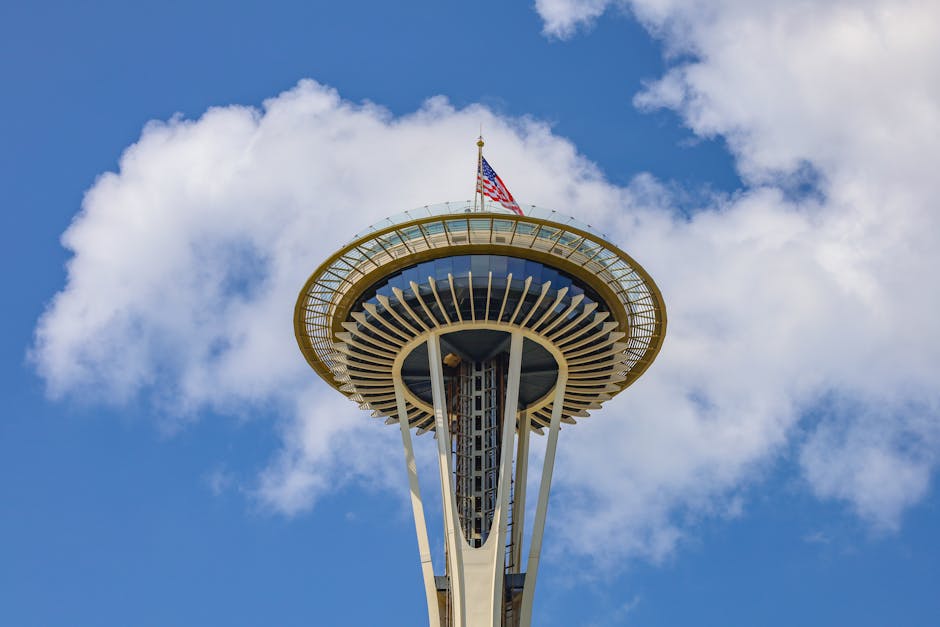
Discover the birthplace of Seattle on this self-guided walk through historic Pioneer Square, featuring Gold Rush history and Romanesque architecture.
 Easy
Seattle, United States
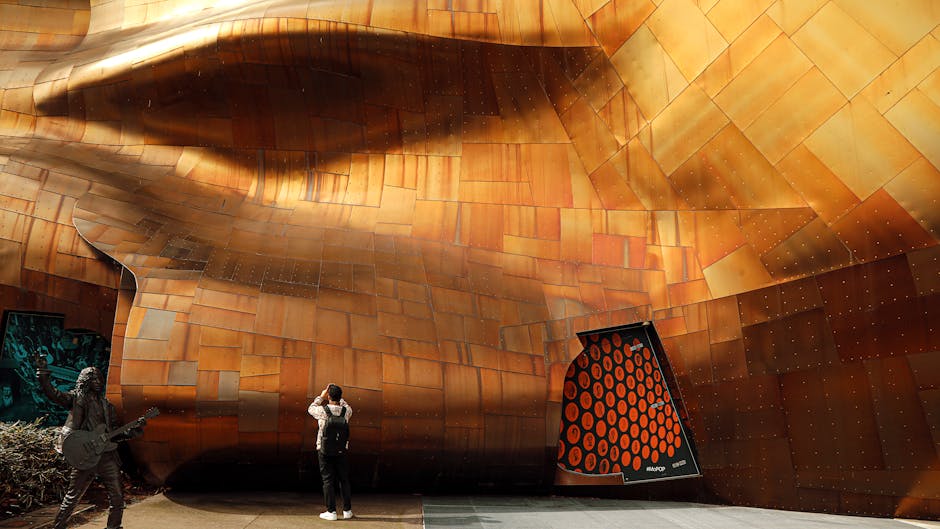
Explore Seattle’s oldest neighborhood. Discover vintage trailers, iconic neon signs, and the industrial heritage of Georgetown at your own pace.
 Moderate
Seattle, United States
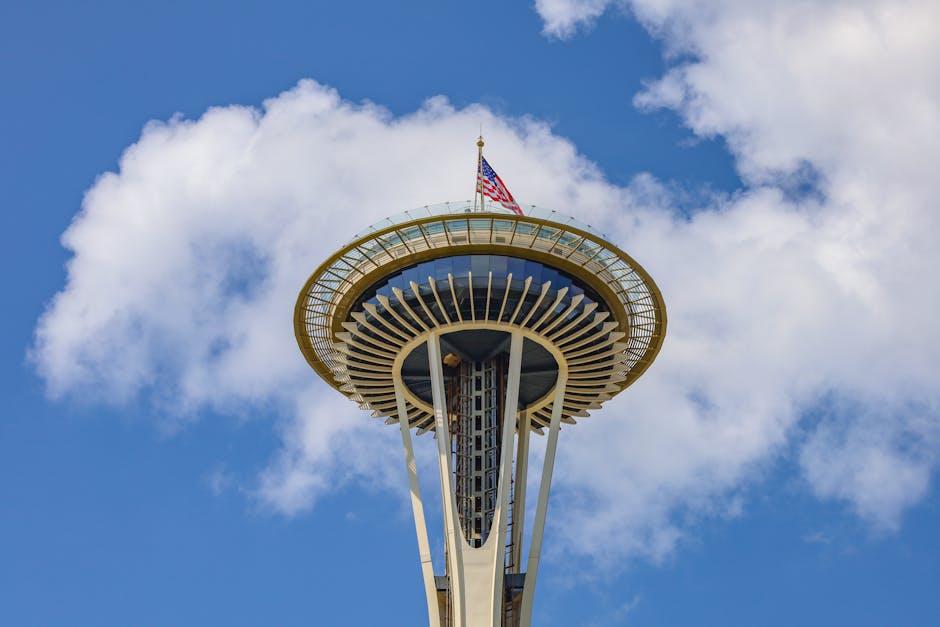
Discover Seattle’s UNESCO City of Literature status on this self-guided walk through iconic libraries, historic hotels, and legendary bookstores.
 Moderate
Seattle, United States
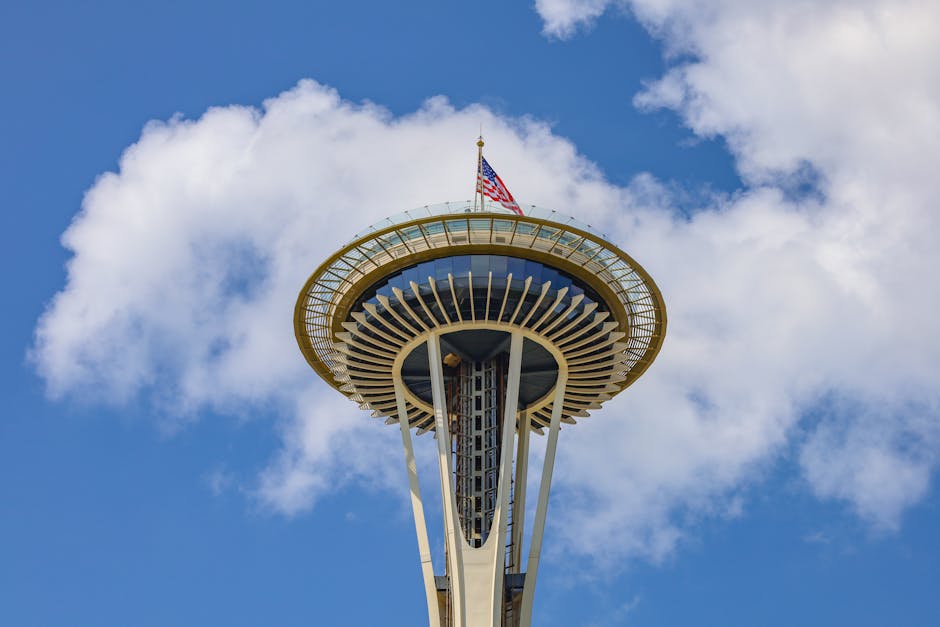
Discover Seattle's hidden urban oases and brutalist green spaces on this self-guided walking route through downtown’s secret parks and gardens.
 Moderate
Nairobi, Kenya
Discover the creative soul of Nairobi on this self-guided walk through the city's premier art galleries, markets, and artisan workshops.
 Moderate
Nairobi, Kenya
Taste your way through Nairobi's Westlands on this self-guided walk featuring street snacks, cultural landmarks, and hidden foodie gems.
 Easy
Krakow, Poland
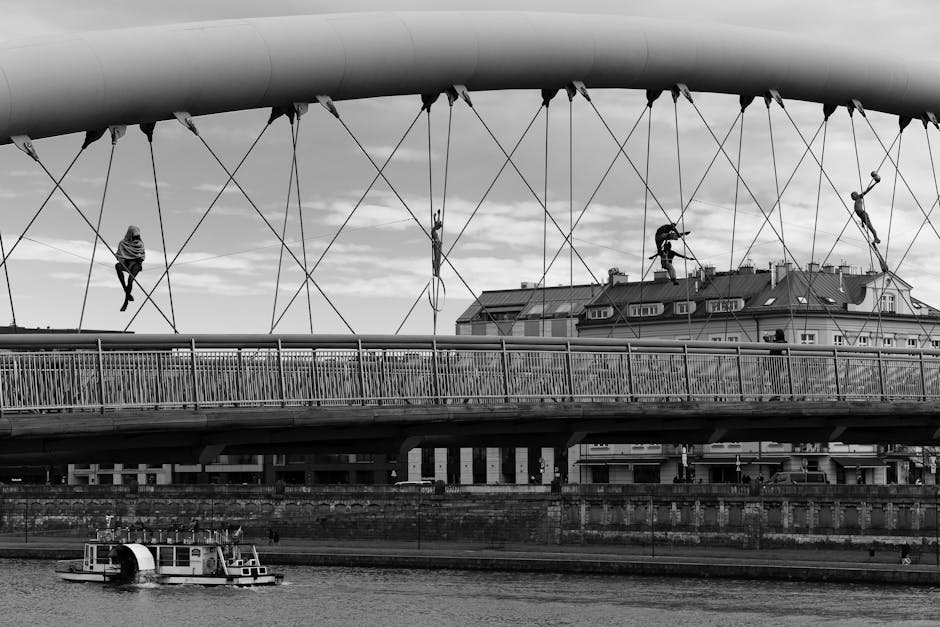
Explore Krakow’s artistic evolution from Renaissance masterpieces to vibrant urban murals on this inspiring self-guided walk through the city.
 Moderate
Gdansk, Poland
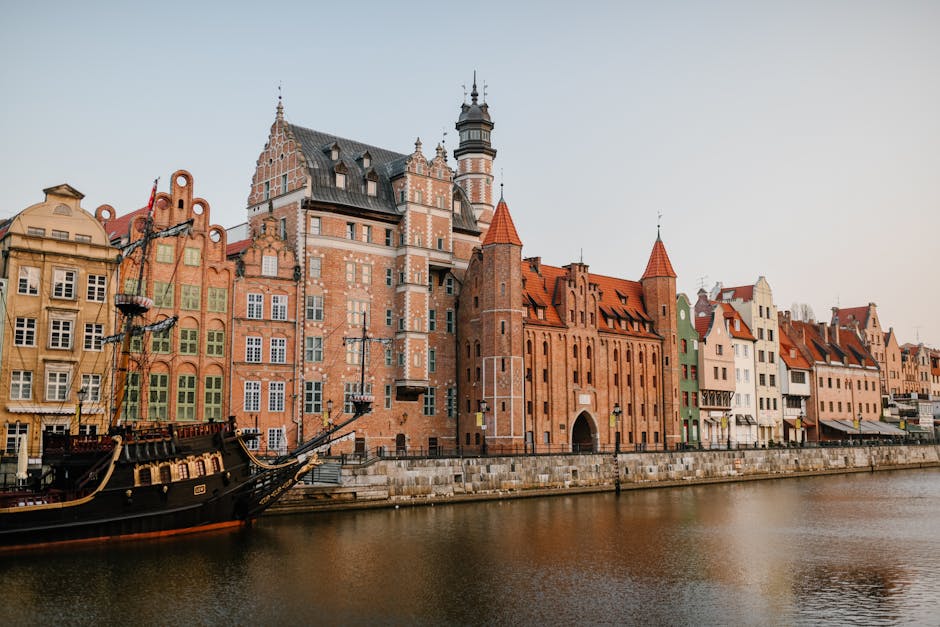
Discover the bohemian soul of Gdańsk. Explore the literary landmarks of Günter Grass, Prussian villas, and the trendy cafes of historic Wrzeszcz.
 Easy
Nashville, United States
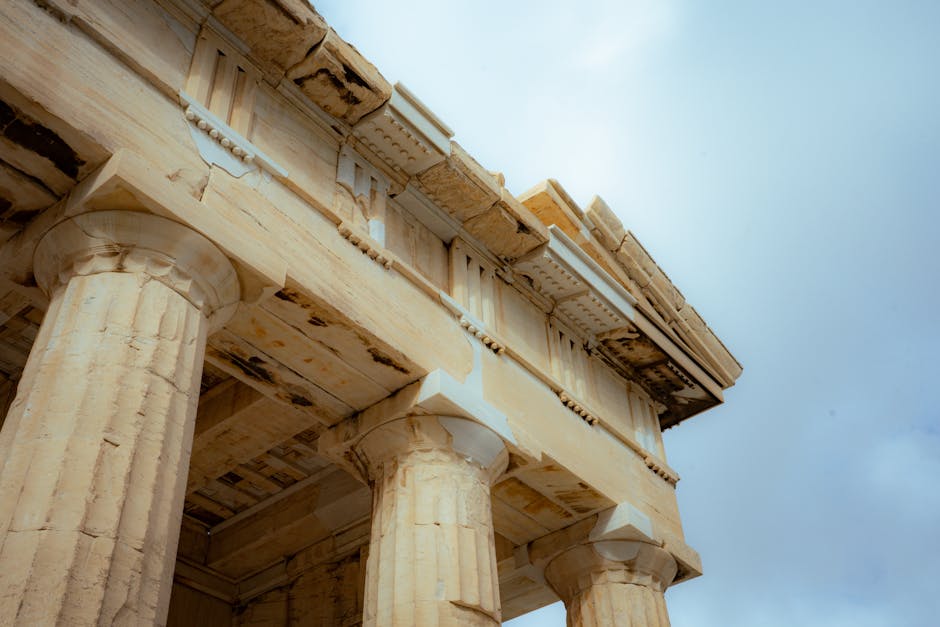
Explore the 'Athens of the South' on this self-guided walk through Centennial Park, featuring the world's only full-scale Parthenon replica.
 Easy
Nashville, United States
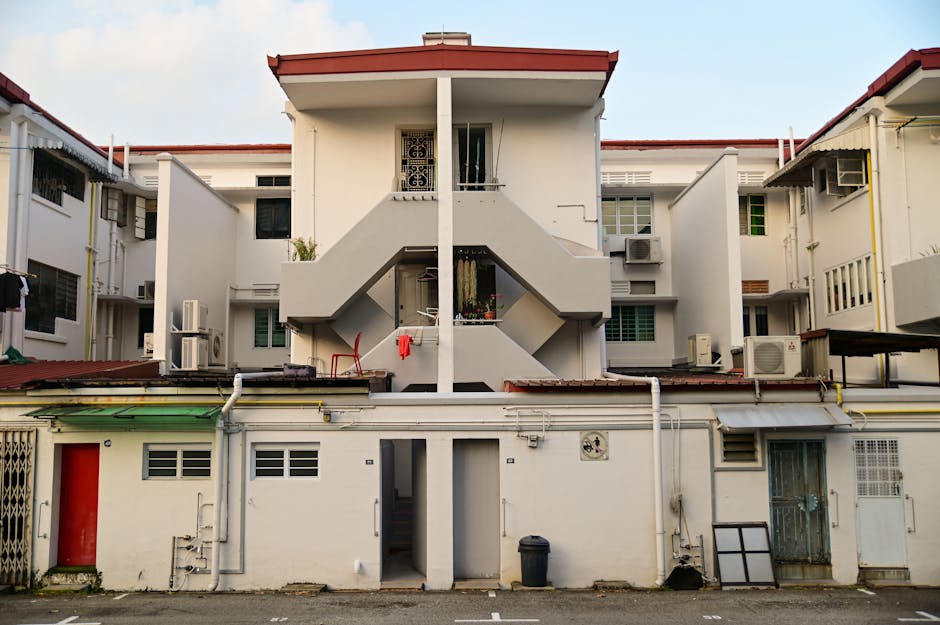
Explore Nashville's academic heart and Art Deco gems on this self-guided walk through historic Hillsboro Village.
 Easy
Nashville, United States
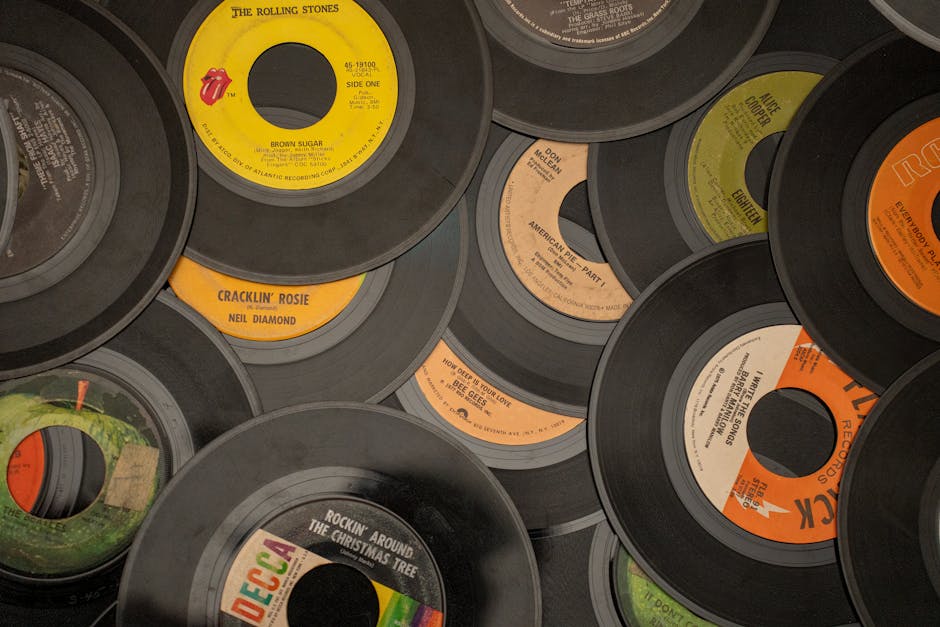
Explore the heart of Nashville's music industry. Discover iconic studios and the history of the legendary Nashville Sound at your own pace.
 Easy
Nashville, United States
Explore Nashville's oldest neighborhood! Discover Victorian architecture, Civil War history, and world-class craft beer on this self-guided walk.