Self-guided audio tour in Copenhagen
Start Free on iPhone
Start free on iPhone to unlock this self-guided walking tour in Copenhagen. Hear all the stories that make it amazing, walk at your own pace, and begin whenever you want.
Your Private Tour Guide
Nørrebro is Copenhagen's most vibrant and multicultural neighborhood, a place where local history meets global innovation. This self-guided walk invites you to explore a district that has transformed from a gritty working-class enclave into one of the world's 'coolest' neighborhoods, according to global culture rankings. On this neighborhood stroll, you will experience the unique blend of high-end gastronomy, gritty street art, and world-class urban design that defines Nørrebro today. This route focuses on the intersection of art and community, starting in the heart of the district's social experiments and ending at the iconic bridge that connects the neighborhood to the historic city center. Your journey begins at the Red Square, a bold architectural statement that serves as an 'urban living room' for the local community. From here, the route explores the Superkilen project, an award-winning public space that features objects from over 60 different countries, reflecting the diverse heritage of Nørrebro's residents. As you move through the neighborhood, you will see how urban planning has been used to foster integration and creativity. The walking route then leads you to Jægersborggade, a street that perfectly encapsulates the area's gentrification—once known for its turbulent history, it is now home to Michelin-starred bakeries, independent art galleries, and craft workshops. No exploration of Nørrebro is complete without a visit to Assistens Cemetery. More than just a final resting place for famous Danes like Hans Christian Andersen and Søren Kierkegaard, it functions as a lush public park where locals sunbathe and picnic among historic monuments. The walk concludes at Dronning Louises Bro, the bridge that serves as a social hub for the city. This self-guided adventure is designed for those who want to look beyond the typical tourist sites and understand the authentic, pulsing heart of Copenhagen. Whether you are interested in innovative architecture, the evolution of street art, or simply soaking in a local vibe, this route offers a comprehensive look at the city's most dynamic quarter. **Note:** This area is known for its ever-changing character. Street art, pop-up venues, and temporary exhibitions may differ from what's described. That's part of the adventure - you might discover something entirely new!
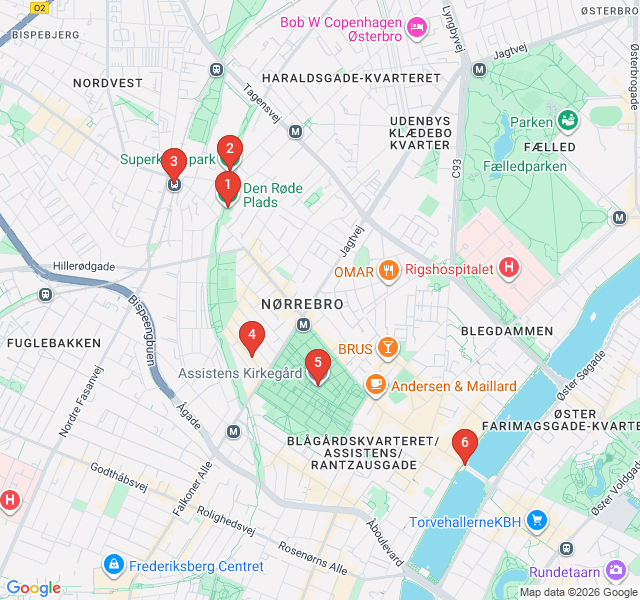
Numbers indicate the order of stops on the tour.
Welcome to the Red Square, the vibrant heart of the Superkilen project. This isn't just a park; it's a social experiment in urban living. Notice the intense shades of red, orange, and pink covering the ground and buildings. This area was designed to encourage physical activity and social interaction in one of the city's most diverse districts. As you explore, look for the 'urban furniture'—the benches, swings, and signs. Many of these items are replicas or imports from the homelands of Nørrebro’s residents, from Jamaican sound systems to Palestinian soil. It’s a space that celebrates global identity in a local setting. Please note that public art and square layouts may change due to community events or seasonal installations.
Moving deeper into Superkilen, you enter the Black Market and the Green Park. The Black Market serves as a classic urban square, featuring a large Moroccan fountain and Japanese octopus slides. The undulating white lines on the asphalt are designed to guide your movement through the space. Superkilen was a collaboration between the architects BIG, Topotek1, and the artist group Superflex. Their goal was to create a 'world exhibition' of everyday objects. Because this is an active public space, you may see new graffiti or temporary pop-up art installations that reflect current social movements in the neighborhood. It is a living, breathing gallery of modern urbanism.
Stand for a moment near Nørrebro Station, a major transit hub where the city’s pulse is most palpable. The architecture of the station itself, with its high arches, dates back to 1930, but the life surrounding it is purely contemporary. This area is a crossroads of cultures. Look up at the railway tracks; the space beneath has been revitalized with sports facilities and murals. Street art here is volatile; murals by famous local artists often shift or are tagged over, creating a layered history of the neighborhood's visual voice. This station marks the boundary between the outer and inner parts of the district, serving as a gateway for thousands of commuters daily.
Jægersborggade is perhaps the best example of Nørrebro’s transformation. Two decades ago, this street was a center for the city’s underground drug trade and radical activism. Today, it is one of Copenhagen’s most sought-after addresses. As you walk down the cobblestones, you’ll find basement shops specializing in everything from handmade ceramics to organic cactus plants. The street has maintained its independent spirit, eschewing major chains in favor of local artisans. It is also a culinary hotspot; many chefs who trained at world-renowned restaurants have opened smaller, experimental ventures here. The atmosphere is cozy and community-focused, a testament to the neighborhood's ability to reinvent itself while keeping its soul.
Step through the yellow walls into Assistens Cemetery, a site that has served the city since 1760. While it is a cemetery, it functions primarily as a lush park. This is where the famous fairytale writer Hans Christian Andersen and the philosopher Søren Kierkegaard are buried. Finding their graves is a favorite pastime for visitors, but the real magic is in the atmosphere. The cemetery is divided into sections, from wild, overgrown groves to manicured historic plots. It reflects the Danish concept of 'hygge' even in a place of mourning. Be respectful of those visiting graves, but feel free to enjoy the serenity that has made this a favorite local escape for centuries.
Your walk ends at Dronning Louises Bro, the bridge connecting Nørrebro to the city center. On sunny days, this bridge becomes the most densely populated social spot in Copenhagen. Locals gather on the wide benches to listen to music, drink coffee, and watch the sunset over the lakes. The bridge was built in 1887, but its current role as a 'bicycle highway' and social hub is a modern development. Standing here, looking back at Nørrebro, you can see the skyline of a neighborhood that is constantly evolving. It is the perfect place to sit and reflect on the diverse stories, art, and history you have encountered during your stroll.
Start Free on iPhone
Explore “Nørrebro's Global Vibes and Urban Art” with your very own Private Tour Guide with Zigway. Start free on iPhone, skip the large group and the fixed routes, and hear the city come alive as you go.
Your Private Tour Guide
Don't miss the good stuff
Explore Freely
 Easy
EasyCopenhagen, Denmark
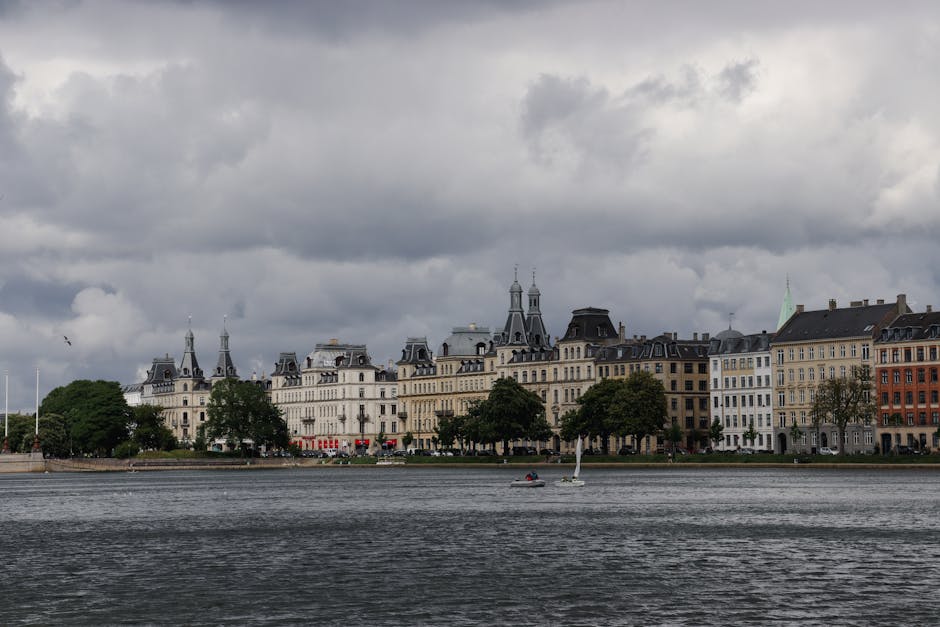
Explore Copenhagen's stunning waterfront architecture, from the 'Black Diamond' to the Opera House, on this self-guided design-focused walk.
 Moderate
Copenhagen, Denmark
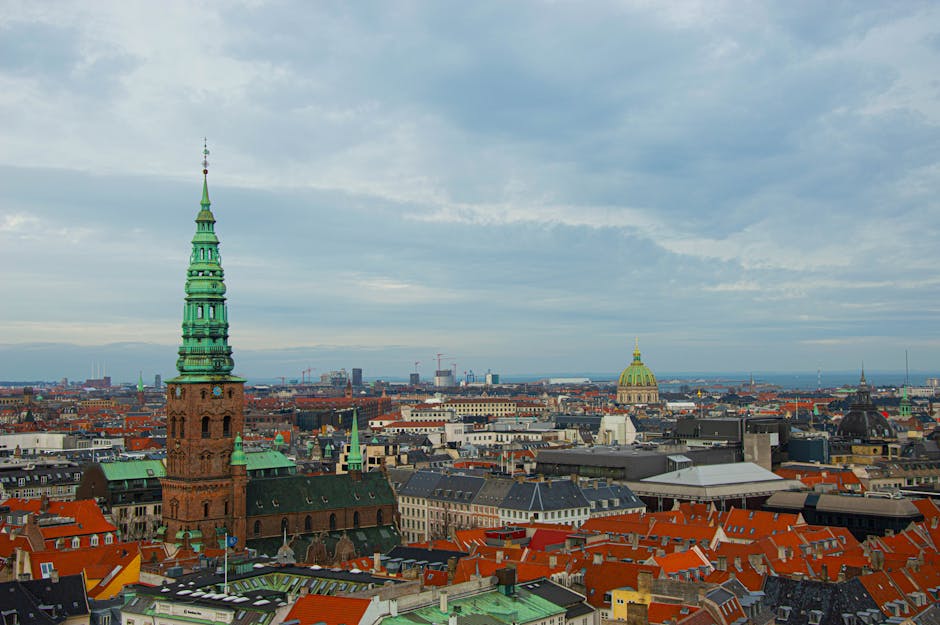
Explore Copenhagen’s 'Little Amsterdam' and the radical Freetown Christiania on this self-guided audio walk through history and counter-culture.
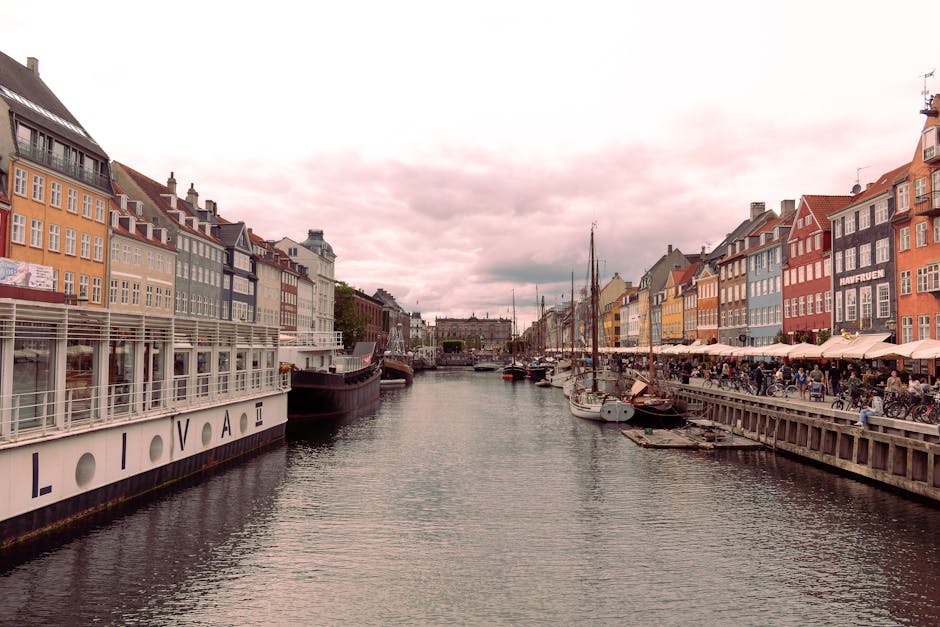 Easy
EasyCopenhagen, Denmark
Discover the seat of Danish power and the home of the royals on this self-guided walk through Copenhagen's most historic palaces and landmarks.
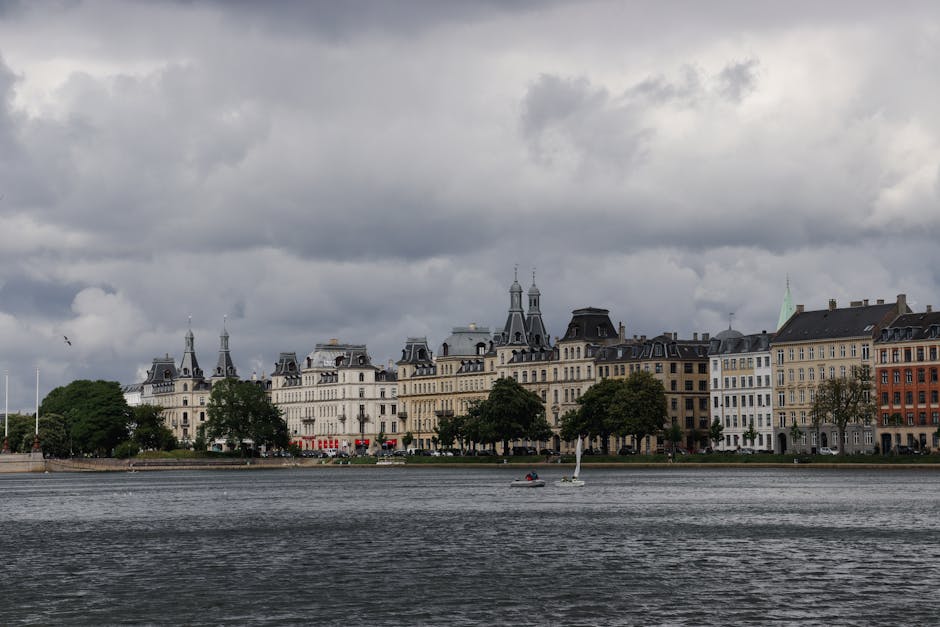 Easy
EasyCopenhagen, Denmark
Discover Vesterbro's evolution from industrial grit to foodie heaven on this self-guided neighborhood stroll through Copenhagen's coolest district.
 Easy
EasyKrakow, Poland
Explore Krakow’s artistic evolution from Renaissance masterpieces to vibrant urban murals on this inspiring self-guided walk through the city.
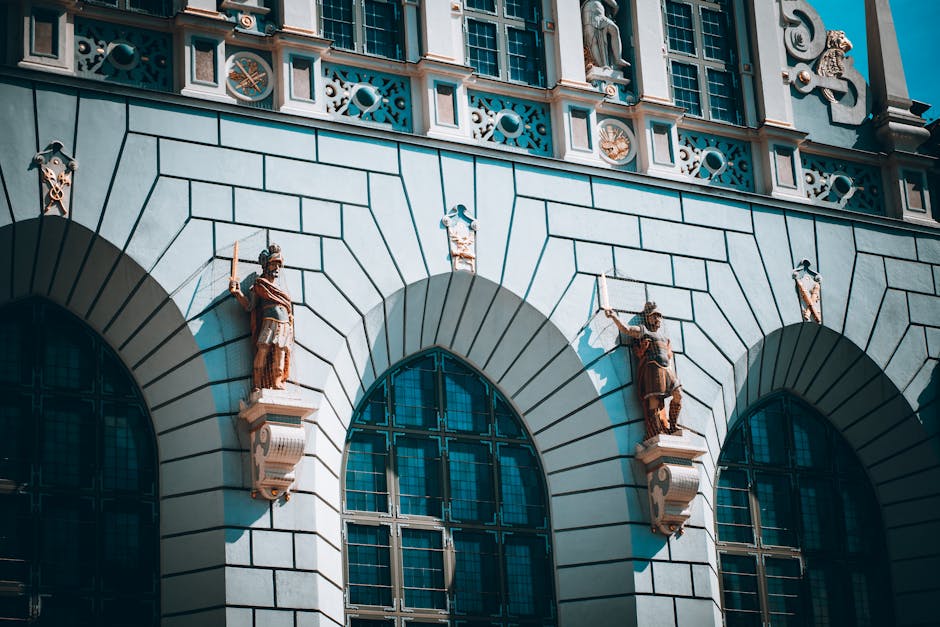 Moderate
Gdansk, Poland
Discover Zaspa, a massive open-air gallery where grey housing blocks are transformed by over 60 monumental murals. Explore at your own pace.
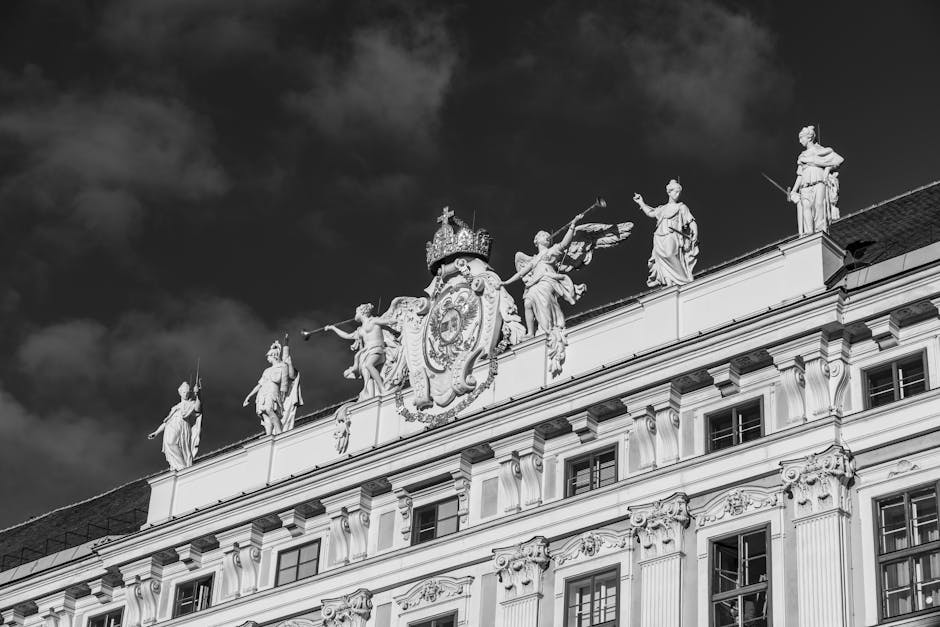 Easy
EasyVienna, Austria
Explore Vienna’s vibrant open-air gallery along the Danube Canal on this self-guided street art and nightlife stroll through Leopoldstadt.
 Moderate
Nairobi, Kenya
Discover the creative soul of Nairobi on this self-guided walk through the city's premier art galleries, markets, and artisan workshops.