Self-guided audio tour in Dubai
Walked and written by a Zigway contributor · Last reviewed November 2026
Start Free on iPhone
Hear the stories behind the streets and sights around you as you walk Dubai. Try it free on iPhone.
Your Private Tour Guide
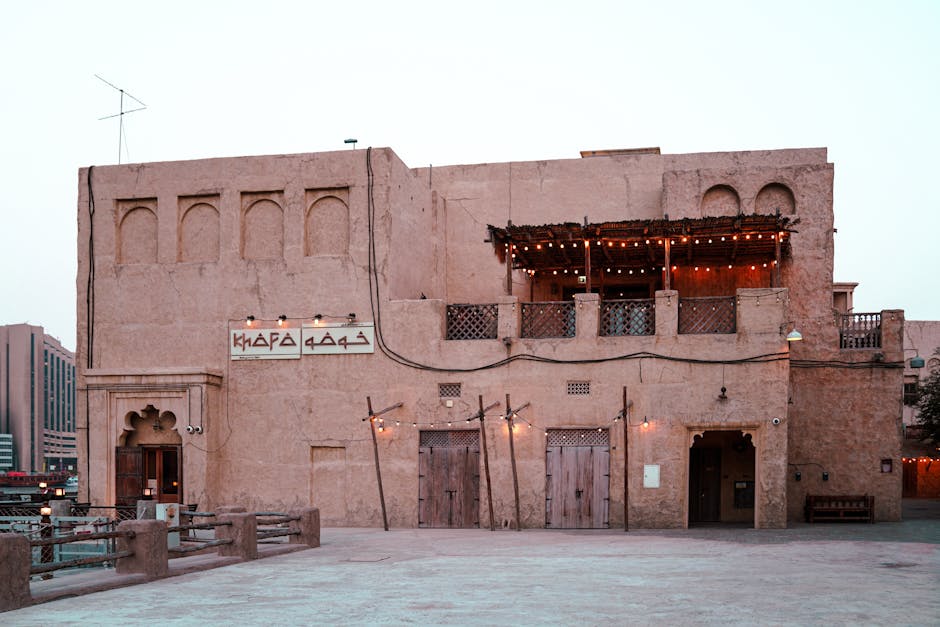
Step away from the soaring glass skyscrapers and enter a world of coral-stone walls, narrow sikkas, and iconic wind towers. This self-guided walk through the Al Fahidi Historical Neighbourhood, formerly known as Al Bastakiya, offers a profound look at Dubai’s origins before the oil boom. Established in the late 19th century by textile and pearl traders from Bastak, Iran, this area is the oldest standing residential quarter in the city. As you explore independently, you will discover how early inhabitants adapted to the desert heat using ingenious architectural features like the 'barjeel' or wind tower, which funneled cooling breezes into the homes below. This walking route is a sensory journey that balances history with a thriving contemporary art scene. You will encounter hidden courtyards that now house world-class galleries and specialized museums dedicated to the region’s most cherished traditions, such as the art of Arabic coffee. The trail leads you through the labyrinthine alleys of Al Fahidi, where the silence of the mud-brick walls provides a stark, peaceful contrast to the bustling city nearby. Beyond the architecture, the route highlights the maritime soul of the city. By following the path toward the mouth of the Dubai Creek, you will reach the Al Shindagha area. Here, the focus shifts to the 'Culture of the Sea,' exploring how pearling and fishing shaped the Emirati identity. Whether you are a history buff, an architecture enthusiast, or a photography lover, this neighborhood stroll provides the perfect context for understanding the rapid transformation of the United Arab Emirates. This walking tour Dubai experience allows you to linger at a traditional tea house or spend extra time in a coin museum without a fixed schedule, ensuring a truly personal exploration of old Dubai. For those seeking a deeper connection to the city's roots, this walking tour Dubai route is an essential experience.
Take the Dubai Metro Green Line to Al Fahidi station and walk towards the Creek; the heritage quarter starts just past Al Fahidi Fort. From Deira, an abra across the Creek to the Bur Dubai abra station drops you a few minutes from the Coffee Museum.
November to March is the season for this route. From May to September even the short hops between courtyards are hard going in the midday heat. Mornings are quietest, and on Fridays museums and cafés may adjust their hours around midday prayers, so check opening days before you go.
Approximate walking distances between stops, from the route's coordinates.
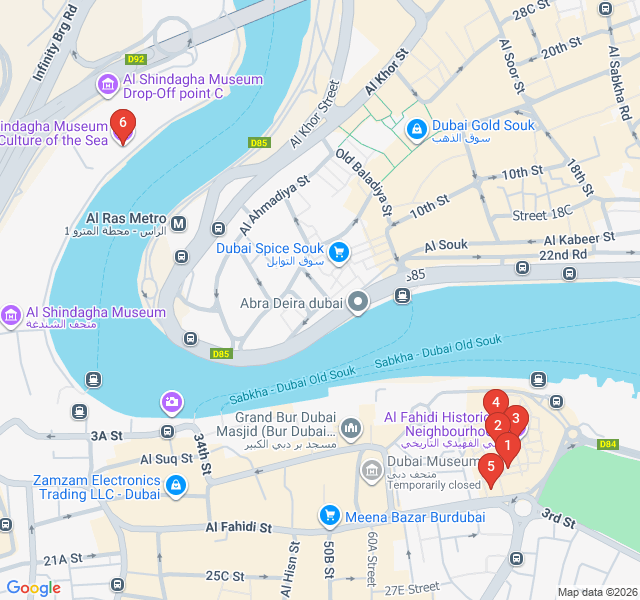
Numbers indicate the order of stops on the tour.
Welcome to the start of your neighborhood stroll. Located within a restored heritage house, the Coffee Museum celebrates the deep-rooted significance of 'gahwa' in Arabic culture. As you explore independently, notice the traditional 'majlis' seating areas where coffee was historically served as a gesture of hospitality. The museum showcases centuries-old grinders, roasters, and pots from across the globe. Coffee here isn't just a drink; it is a social ritual that has governed Bedouin life for generations. Take a moment to appreciate the scents of cardamom and roasted beans that fill this historic space, setting the tone for your journey into Dubai's past.
A short walk through the narrow alleys brings you to XVA Gallery, a pioneer of contemporary art in the Middle East. This space is a perfect example of adaptive reuse, where a traditional courtyard house has been transformed into a vibrant cultural hub. Look up at the wind towers and notice how the thick walls keep the interior naturally cool. The gallery features rotating exhibitions from regional artists, blending modern creative expression with the ancient geometry of Islamic architecture. The central courtyard, with its shaded trees and quiet atmosphere, offers a peaceful retreat from the urban energy outside.
You are now in the heart of Al Fahidi, the oldest residential district in Dubai. The buildings here were constructed using coral, stone, gypsum, and sandalwood. The most striking feature of this area is the wind tower, or 'barjeel.' Before electricity, these structures captured wind from four directions and directed it downward to cool the rooms below—an early form of air conditioning. Wander through the 'sikkas,' or narrow lanes, which were designed to be slim to ensure they remained in the shade for most of the day. This area was once the home of wealthy Persian merchants, and their influence remains visible in the decorative carvings of the wooden doors.
Tucked away in another beautifully preserved building is the Coins Museum. This stop provides a unique perspective on the region's history through the lens of trade and commerce. Exploring the eight rooms, you will see over 470 rare coins dating back to various Islamic eras. These artifacts tell the story of the Dubai Creek as a vital artery for global trade, connecting the Arabian Peninsula with India, East Africa, and beyond. The specialized lighting and magnifying glasses allow you to see the intricate calligraphy and symbols that denoted the power and reach of different caliphates and empires throughout history.
It is time for a sensory break at the Arabian Tea House. This iconic spot, with its turquoise benches and white lace curtains, captures the essence of old-world Emirati charm. Originally the home of a local pearl merchant, it now serves as a gateway to local flavors. While you can enjoy a full traditional breakfast here, many visitors stop just for a cup of 'karak' tea or a refreshing mint lemonade. The courtyard's old Ghaf tree provides natural shade, making it one of the most photographed spots in the district. It is a living testament to the hospitality that remains central to Dubai's identity.
To conclude your self-guided adventure, follow the path toward the Creek to Al Shindagha. This museum focuses on the 'Culture of the Sea,' highlighting how the ocean was the primary lifeblood of Dubai before the discovery of oil. You will learn about the grueling life of pearl divers, the craftsmanship of dhow building, and the importance of the maritime trade routes. The exhibits use modern technology to bring historical narratives to life, showcasing the resilience of the people who built a city on the edge of the desert and the shore of the sea. It is a fitting end to your exploration of Dubai's heritage.
Explore Mode
Open Zigway, start Explore Mode and just walk. Your guide notices where you are and tells you the story of what's around you, on this route or any street you turn into.
The quarter was settled by traders from Bastak in southern Iran, which is where the name Bastakiya comes from.
From the abra stations on the Bur Dubai side, cross the Creek by abra to Deira, where the spice souk and gold souk begin just behind the waterfront.
Start Free on iPhone
Open Zigway as you walk and your private tour guide tells the stories behind what you pass.
Your Private Tour Guide
Don't miss the good stuff
Explore Freely
 Moderate
Dubai, United Arab Emirates
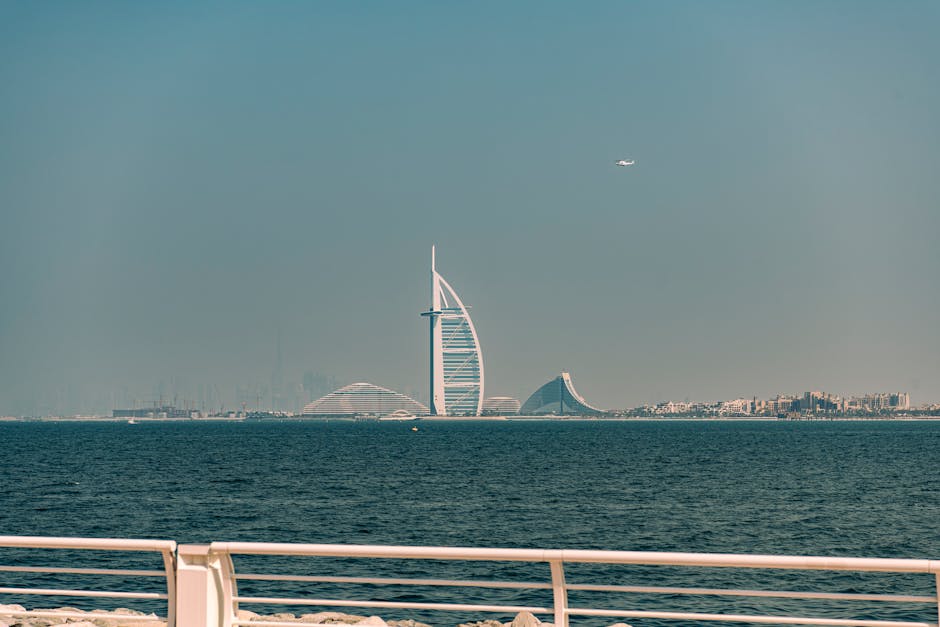
Discover the futuristic skyline and shimmering waters of Business Bay on this self-guided walking route along the Dubai Water Canal.
 Easy
Dubai, United Arab Emirates
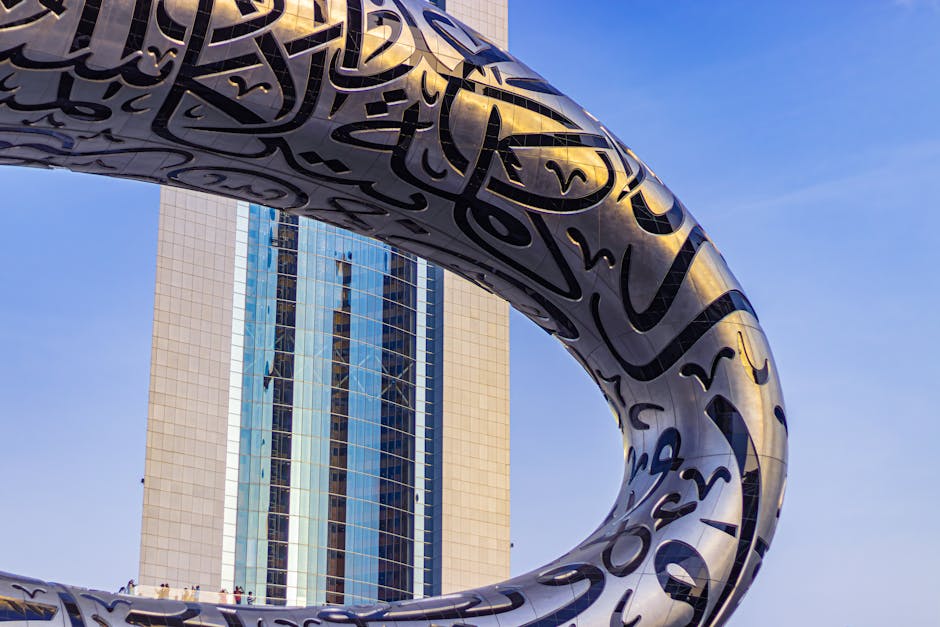
Explore Dubai's creative soul on this self-guided walk from historic museums to the futuristic galleries of the Dubai Design District.
 Easy
Dubai, United Arab Emirates
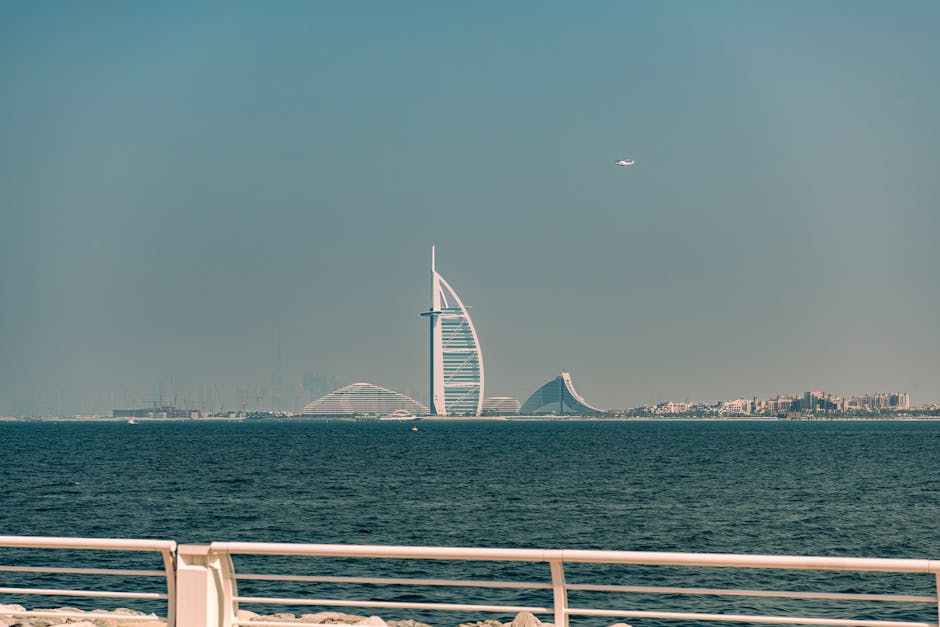
Explore Dubai Marina’s record-breaking architecture and scenic waterfront at your own pace on this self-guided skyline adventure.
 Easy
Dubai, United Arab Emirates
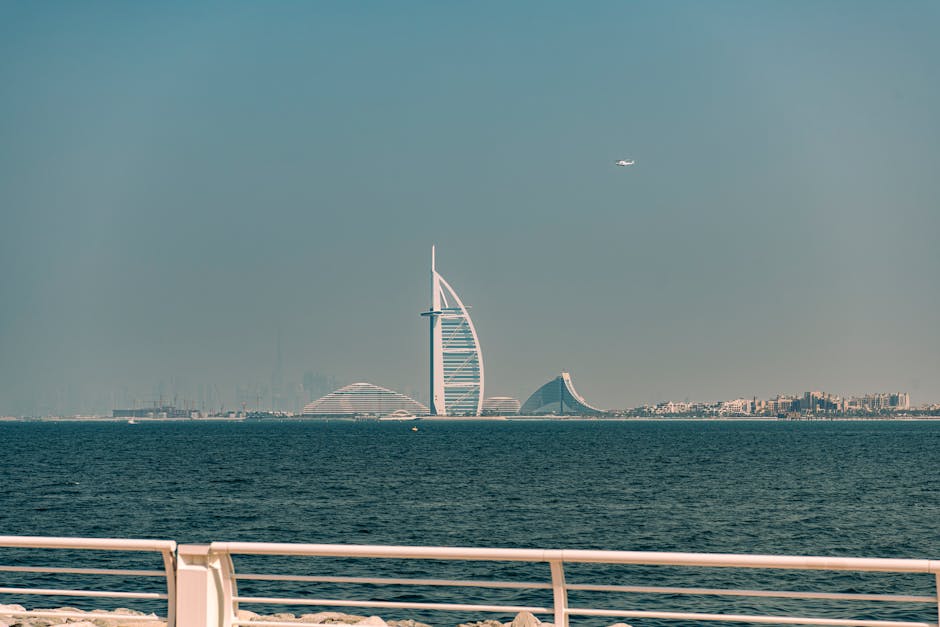
Experience a scenic self-guided walk from the vibrant JBR shoreline to the architectural marvels of Bluewaters Island.
 Easy
Krakow, Poland
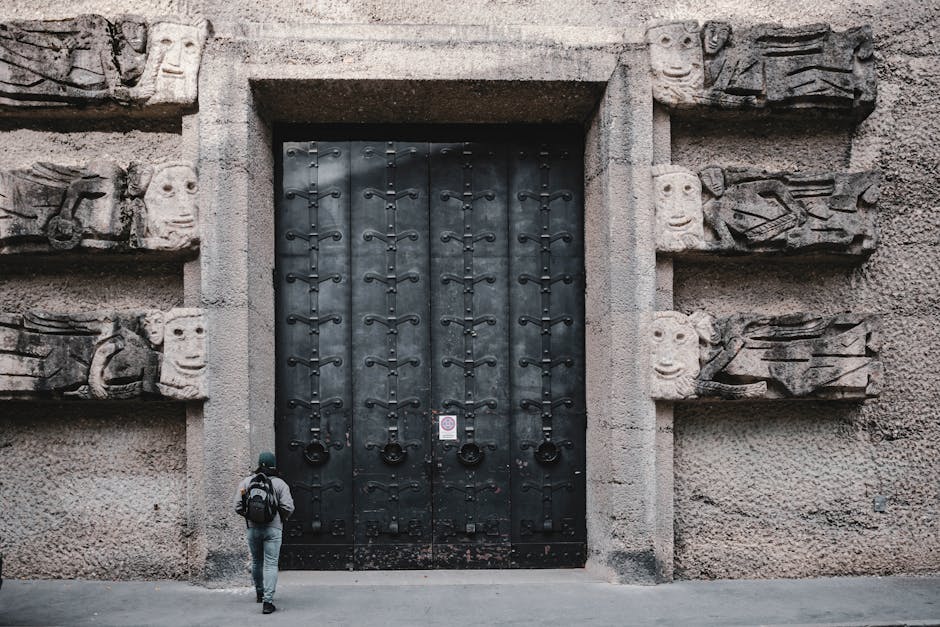
Explore the prestigious Jagiellonian University district, featuring Neo-Gothic architecture, Baroque churches, and Krakow's hidden scholarly gems.
 Easy
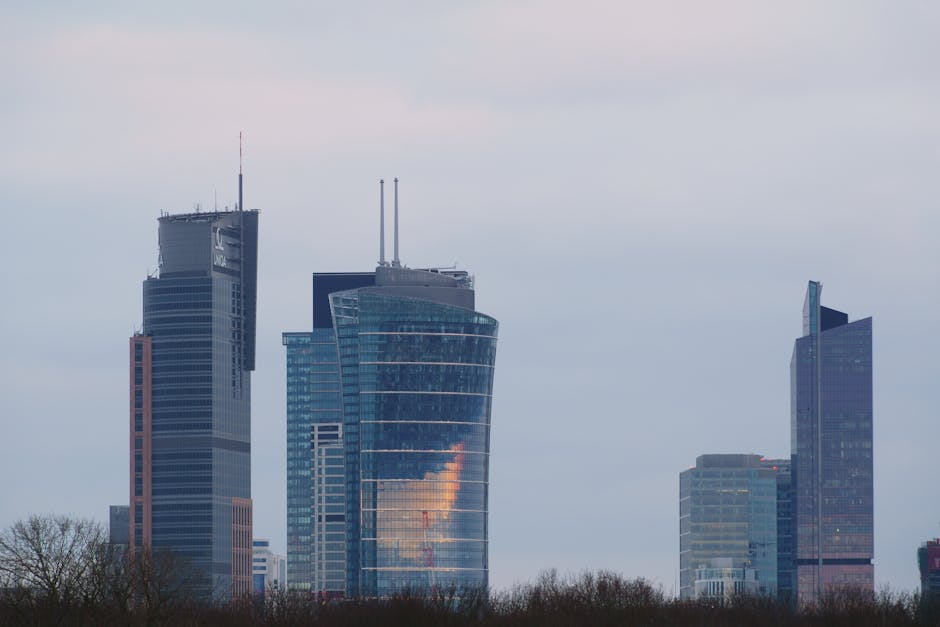
Salzburg, Austria
Discover the 'Rome of the North' on this self-guided walk through the Baroque squares and monumental legacy of Salzburg’s Prince-Archbishops.
 Easy
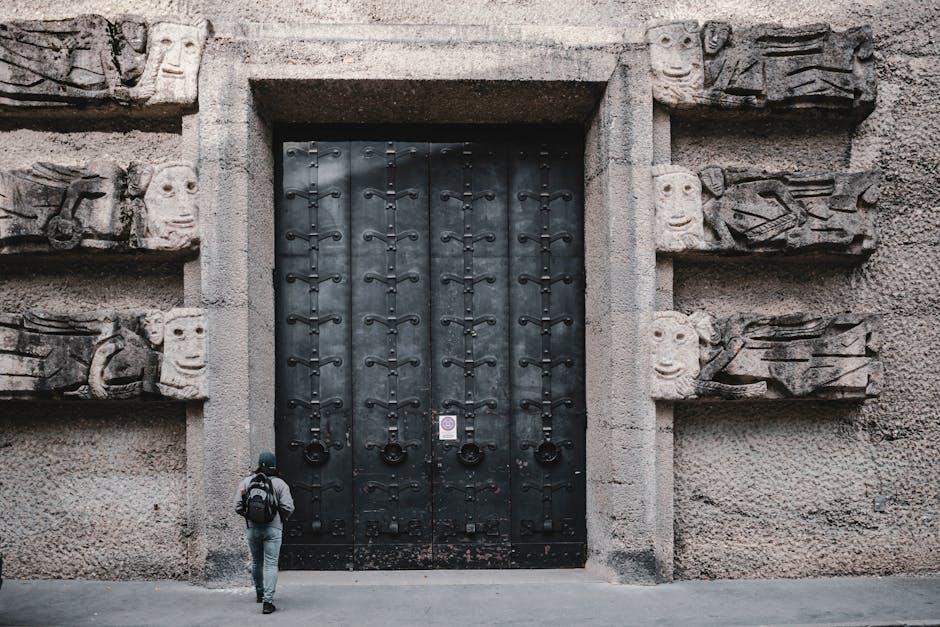
Warsaw, Poland
Discover the hidden courtyards and grand pre-war architecture of Warsaw's most atmospheric neighborhood on this self-guided stroll.
 Easy
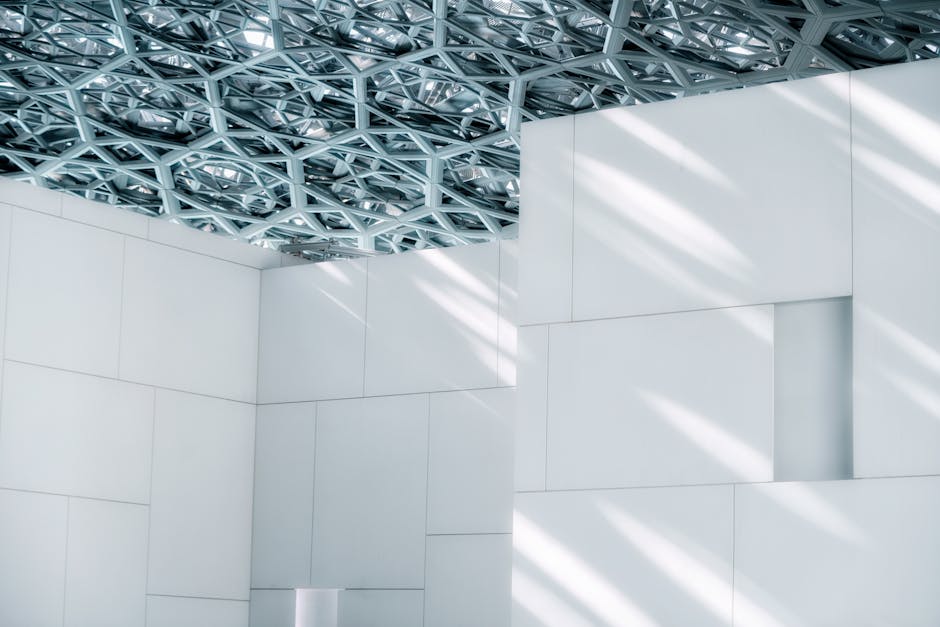
Salzburg, Austria
Discover Salzburg's oldest medieval alley, the birthplace of the 'Silent Night' author, and breathtaking views on this quiet self-guided walk.
 Easy
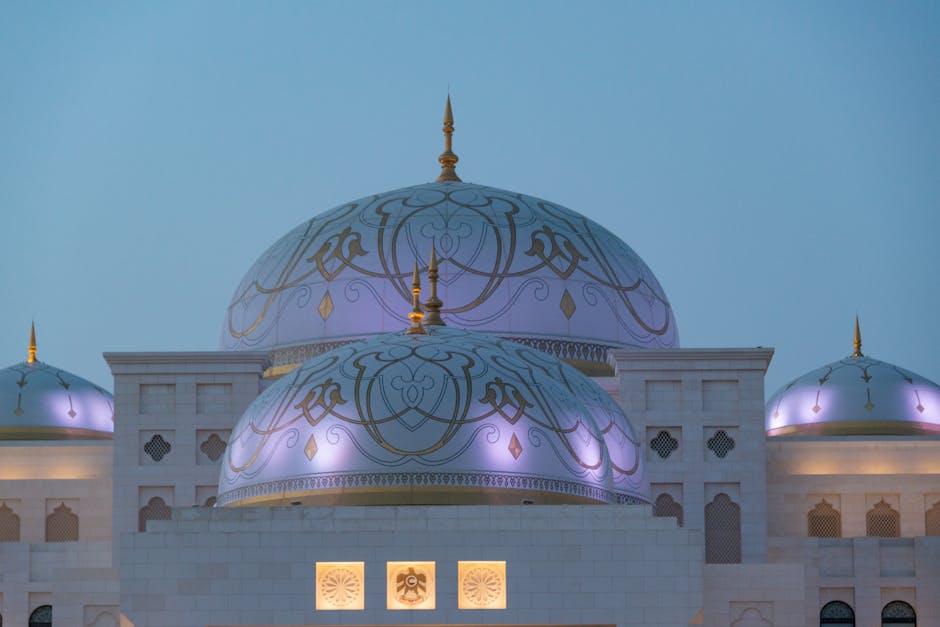
Abu Dhabi, United Arab Emirates
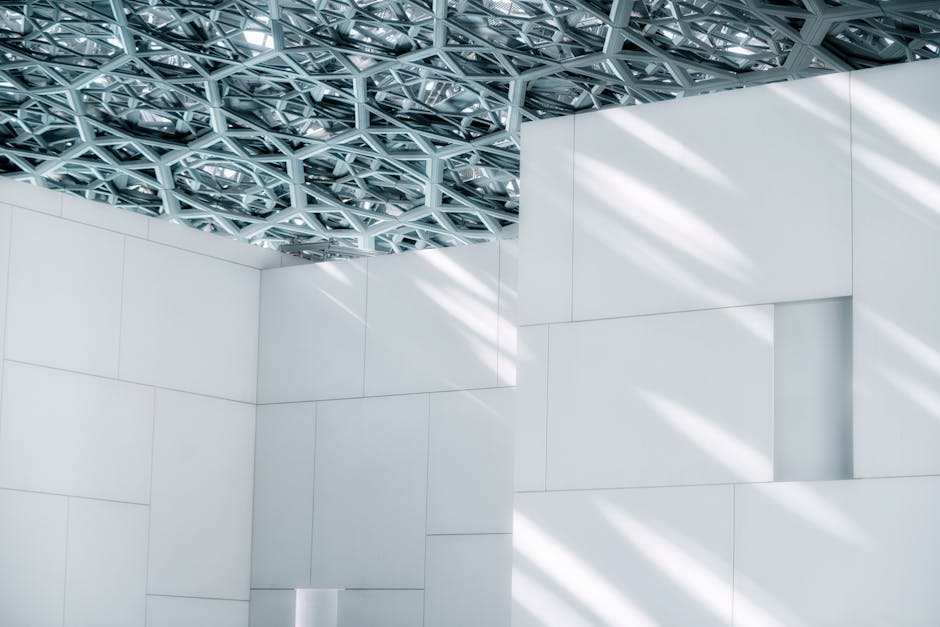
Explore a world-class cultural hub featuring the Louvre, the Abrahamic Family House, and stunning architecture on this self-guided Saadiyat walk.
 Easy
Abu Dhabi, United Arab Emirates
Discover Abu Dhabi's futuristic financial hub and luxury waterfront on this easy self-guided stroll through Al Maryah Island's glass canyons.
 Moderate
Abu Dhabi, United Arab Emirates
Discover the royal heart of Abu Dhabi on this self-guided walk through iconic palaces, memorials, and architectural marvels in Ras Al Akhdar.
 Easy
Abu Dhabi, United Arab Emirates
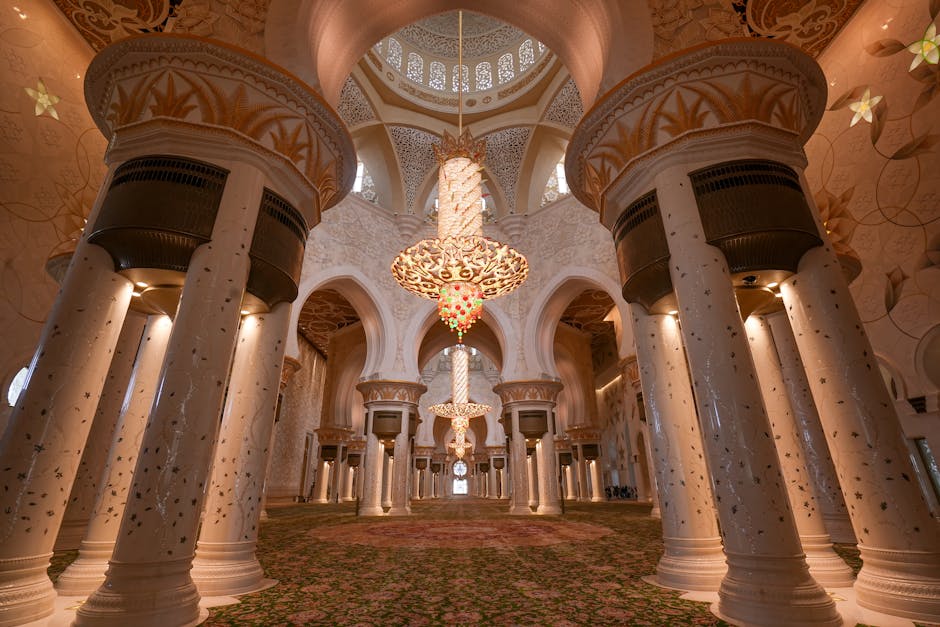
Explore Abu Dhabi's historic gateway and the majestic Grand Mosque on this scenic, self-guided perimeter walk filled with history and photography.