Self-guided audio tour in Oslo
Start Free on iPhone
Start free on iPhone to unlock this self-guided walking tour in Oslo. Hear all the stories that make it amazing, walk at your own pace, and begin whenever you want.
Your Private Tour Guide
Embark on a self-guided walk through the aromatic and artistic soul of the Norwegian capital. This journey takes you beyond the standard tourist trails, weaving through the historic streets of central Oslo toward the revitalized industrial district of Vulkan. You will explore how the city has masterfully blended its gritty industrial heritage with a modern, sophisticated culinary identity. From the bustling energy of Storgata to the serene banks of the Akerselva river, this walking route showcases the diverse flavors that define modern Norway. Discover the story behind the transformation of old factories into vibrant food halls and creative hubs where local artisans and international chefs coexist. Along the way, you will encounter iconic landmarks like the Mathallen food hall, a temple of Norwegian gastronomy, and the colorful, graffiti-lined alleys surrounding BLÅ. The route also invites you to experience the contrast between the sleek, contemporary architecture of Bjørvika and the charming, 18th-century wooden houses of Telthusbakken. Whether you are interested in the evolution of Oslo's coffee scene at world-renowned spots like Fuglen or the grand history of the Nobel Peace Prize at the Grand Hotel, this neighborhood stroll offers a comprehensive look at the city's pulse. This travel experience is designed for those who want to taste, see, and feel the authentic rhythm of Oslo at their own pace, moving from the historic center to the innovative green spaces of Vulkan and beyond. **Note:** This area is known for its ever-changing character. Street art, pop-up venues, and temporary exhibitions may differ from what's described. That's part of the adventure - you might discover something entirely new!
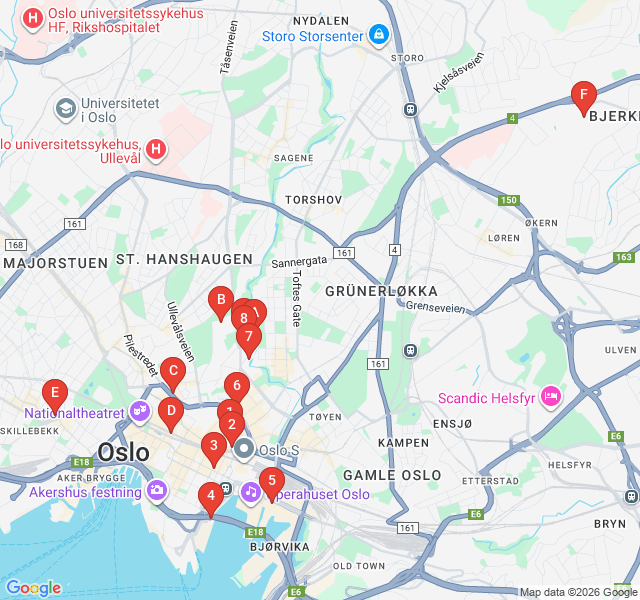
Numbers indicate the order of stops on the tour.
Start your journey at one of Oslo's busiest intersections. While it may look like a standard fast-food outlet, the building itself is part of the historic Storgata, a street that has served as a central artery for the city's trade for centuries. This area represents the gritty, authentic side of Oslo’s urban life. From here, you can see the mix of 19th-century architecture and the modern transit lines that keep the city moving. It’s the perfect jumping-off point to witness how the city transitions from its commercial roots into its more refined culinary districts.
Just a short stroll away is The Hub, a landmark of sustainable hospitality in Norway. This hotel is famous for its 'GrowHub'—a massive rooftop garden that provides fresh herbs and vegetables for its restaurants. It is a prime example of how Oslo is integrating urban farming into its modern infrastructure. The building’s design reflects the city's commitment to eco-friendly growth, proving that even in the heart of a bustling metropolis, nature and local food production can find a significant place.
Tucked away in the historic Dronningens gate, Mamma Pizza is a testament to the international influence on Oslo's food scene. Founded by an Italian family, it brings the authentic flavors of the Mediterranean to the north. The surrounding area is filled with historic facades that survived the city's great fires. Take a moment to appreciate how international communities have woven their own culinary heritage into the fabric of Oslo, making it a truly cosmopolitan destination for food lovers.
Head toward the waterfront to find SALT, an nomadic art project that combines music, sauna culture, and street food. Housed in structures inspired by traditional Norwegian fish-drying racks called 'hesjer,' SALT celebrates the country's maritime and arctic identity. It is a unique cultural space where you can enjoy a drink by the fjord or experience a traditional sauna. Please note that the art installations and food stalls here change seasonally, offering a fresh experience with every visit.
Located in the futuristic Bjørvika district, this hotel sits at the intersection of art and architecture. Bjørvika is home to the famous Munch Museum and the Opera House. The Clarion Hotel Oslo itself houses a permanent art collection, emphasizing the neighborhood's role as a cultural powerhouse. The sleek glass and steel structures here represent the 'New Oslo,' a city that is rapidly expanding its architectural horizons while remaining deeply connected to its waterfront.
Back toward the center, you’ll find Torggata Bad, which was once a public bathhouse. Today, it has been transformed into Oslo Street Food, a massive hall featuring diverse cuisines from around the globe. This venue is a centerpiece of the city's social life, especially on weekends. It highlights the trend of repurposing historic industrial buildings for community and culinary use. The atmosphere is always vibrant, reflecting the youthful and diverse energy of the Torggata neighborhood.
As you walk toward the Akerselva river, you will encounter BLÅ, an independent venue for jazz and alternative music. This area is the heart of Oslo's street art scene. The walls are ever-changing canvases for local and international artists, so what you see today might be different tomorrow. BLÅ is situated in an old diamond-cutting factory, and the surrounding courtyard is a favorite local spot for a riverside drink. It’s where the city's industrial past meets its creative, rebellious present.
Located within the Vulkan area, Dansens Hus is Norway's national stage for contemporary dance. Like many buildings in this district, it is part of a massive revitalization project that turned an old iron foundry and workshop area into a hub for the arts. The architecture preserves the industrial aesthetic—exposed brick and steel—while providing a state-of-the-art space for performers. It serves as a reminder that the Vulkan area is about more than just food; it is a holistic cultural ecosystem.
Welcome to the culinary heart of the city. Mathallen is an indoor food market located in a former industrial hall. Inside, you’ll find over 30 specialty shops, cafes, and restaurants offering the best of Norwegian produce—from brown cheese and cured meats to fresh seafood from the coast. It is a place to celebrate small-scale producers and traditional flavors. Spend some time wandering the aisles; the sights and smells here are the definitive experience of Oslo’s modern gastronomy.
Just across the bridge from Mathallen lies Nedre Foss Gård, the oldest building in the Grünerløkka district. Once a manor house and a mill, it has been beautifully restored into a restaurant and brewery. The building has survived multiple fires and centuries of change along the Akerselva river. The surrounding park, Nedre Foss Park, offers a peaceful break from the urban bustle and features a large waterfall that once powered the city's early industries.
A short walk uphill brings you to Telthusbakken, one of Oslo's most charming streets. It is lined with colorful, well-preserved wooden houses dating back to the 18th and 19th centuries. On the other side of the street are lush allotment gardens. This area feels like a village frozen in time, providing a sharp contrast to the industrial and modern sites you’ve just visited. It offers a glimpse into how the city's working class lived before the industrial revolution truly took hold.
Moving back toward the city center, stop at Fuglen. This isn't just a coffee shop; it’s a design icon. By day, it serves world-class coffee; by night, it’s a cocktail bar. The interior is a living museum of 1950s and 60s Norwegian furniture and design, all of which is for sale. Fuglen has been instrumental in putting Oslo on the global map for high-quality coffee culture, emphasizing a light roast that allows the bean's natural flavors to shine.
Located on Karl Johans gate, the Grand Hotel is perhaps Norway's most famous hotel. Since opening in 1874, it has hosted the annual Nobel Peace Prize banquet. Henrik Ibsen, the world-renowned playwright, famously ate lunch here every day. The architecture is a grand example of 19th-century elegance. While it represents the high-society history of the city, its location on the main thoroughfare makes it a central point for all major national celebrations, including the 17th of May parades.
Located in the upscale Frogner neighborhood, Sommerro is housed in the former headquarters of the city's electric company, Oslo Lysverker. This 1930s landmark is a masterpiece of Art Deco design. The building features stunning murals and mosaics by artist Per Krohg. Recently transformed into a luxury hotel and cultural hub, it pays homage to the era of 'electric progress' while offering some of the city's most sophisticated dining and wellness experiences. It’s a perfect example of Oslo’s knack for preserving heritage through modern luxury.
The final stop on our route takes us slightly further afield to Bjerke Travbane, Norway’s premier horse racing track. Since 1928, it has been a center for harness racing and a significant part of the local community’s leisure life. While it may seem a world away from the trendy food halls of Vulkan, it represents a different side of Oslo’s culture—one rooted in tradition, sport, and outdoor gatherings. It is a popular spot for locals to enjoy a day at the races and experience a slice of Norwegian life outside the immediate city center.
Start Free on iPhone
Explore “Oslo's Culinary Heart: Mathallen and Vulkan” with your very own Private Tour Guide with Zigway. Start free on iPhone, skip the large group and the fixed routes, and hear the city come alive as you go.
Your Private Tour Guide
Don't miss the good stuff
Explore Freely
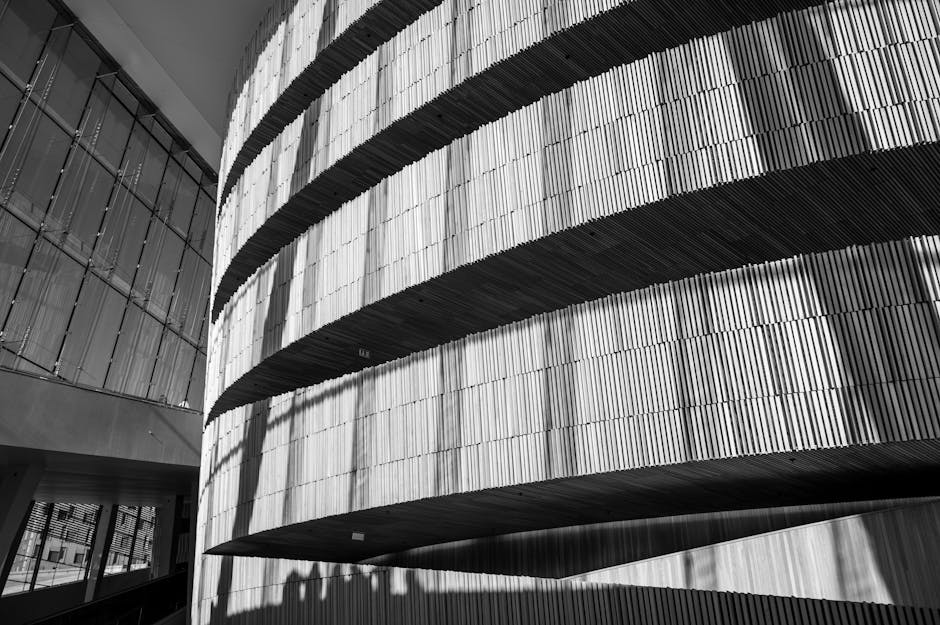 Easy
EasyOslo, Norway
Discover Oslo's stunning modern waterfront on this self-guided walk through the innovative Bjørvika district and its iconic architecture.
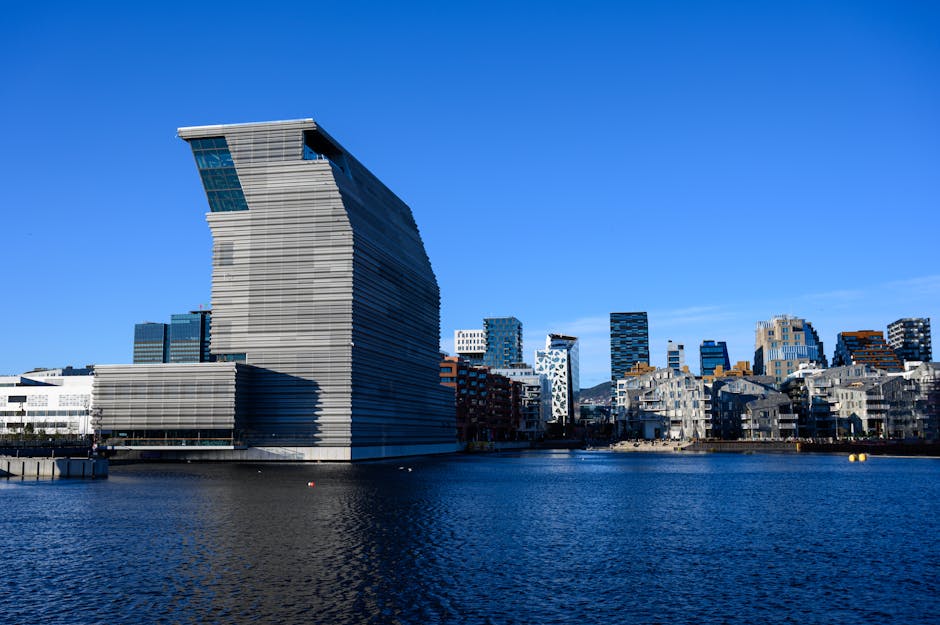 Easy
EasyOslo, Norway
Explore Oslo's 'Thief Island' on this self-guided walk through cutting-edge architecture, world-class galleries, and stunning fjord-side sculptures.
 Easy
EasyOslo, Norway
Discover Oslo's most charming 18th-century wooden houses and medieval history on this peaceful self-guided stroll through hidden hillside lanes.
 Moderate
Oslo, Norway
Discover Oslo's 1,000-year history on this self-guided walk from the medieval Akershus Fortress to the ancient ruins of the Old Town.
 Moderate
Nairobi, Kenya
Taste your way through Nairobi's Westlands on this self-guided walk featuring street snacks, cultural landmarks, and hidden foodie gems.
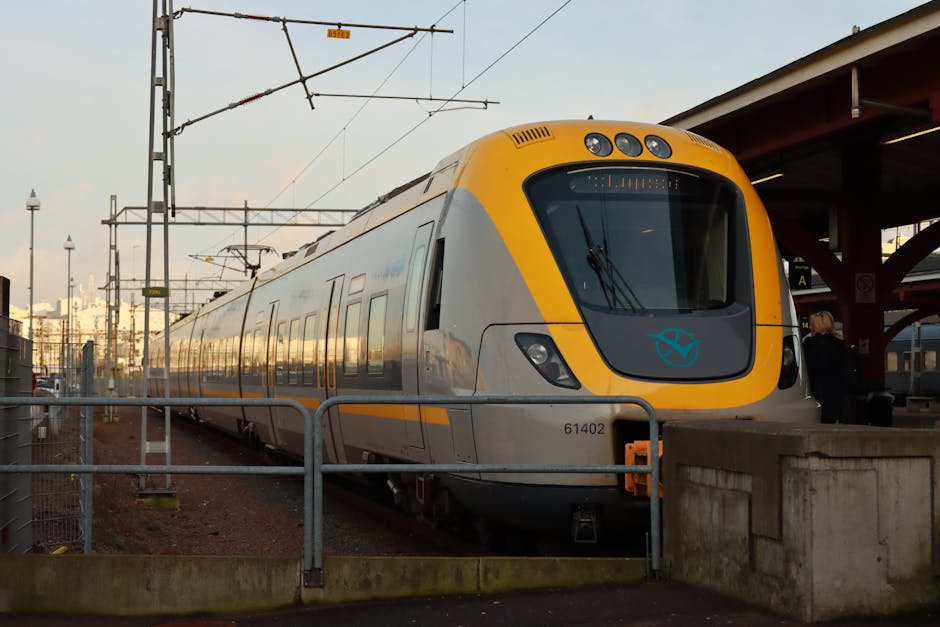 Easy
EasyGothenburg, Sweden
Explore Gothenburg's maritime soul on this self-guided walk from historic shipyards to sleek modern piers and iconic industrial landmarks.
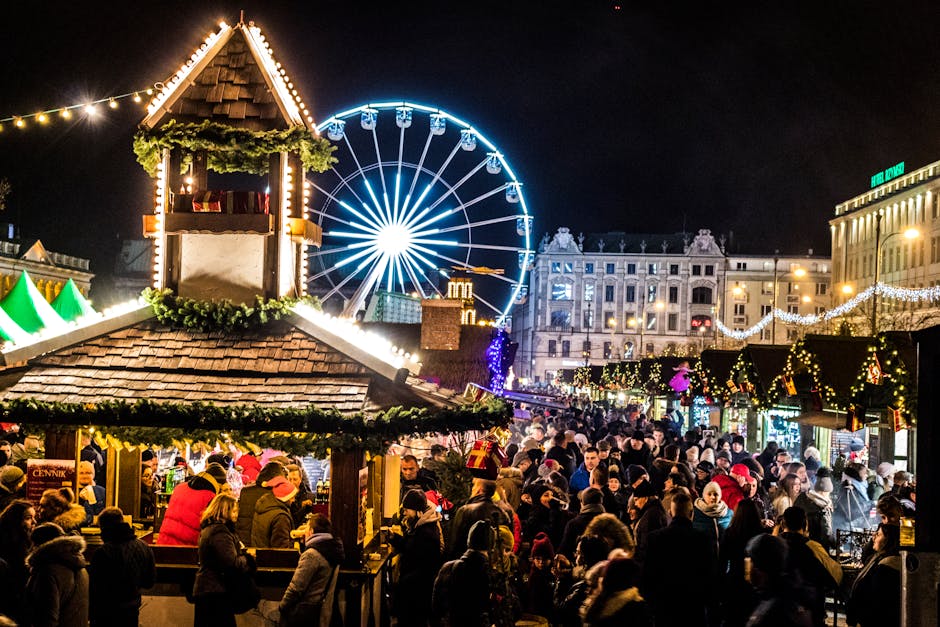 Easy
EasyKrakow, Poland
Explore Krakow's hidden nightlife with this self-guided walk through medieval cellars, jazz clubs, and bohemian bars in the Old Town and Kazimierz.
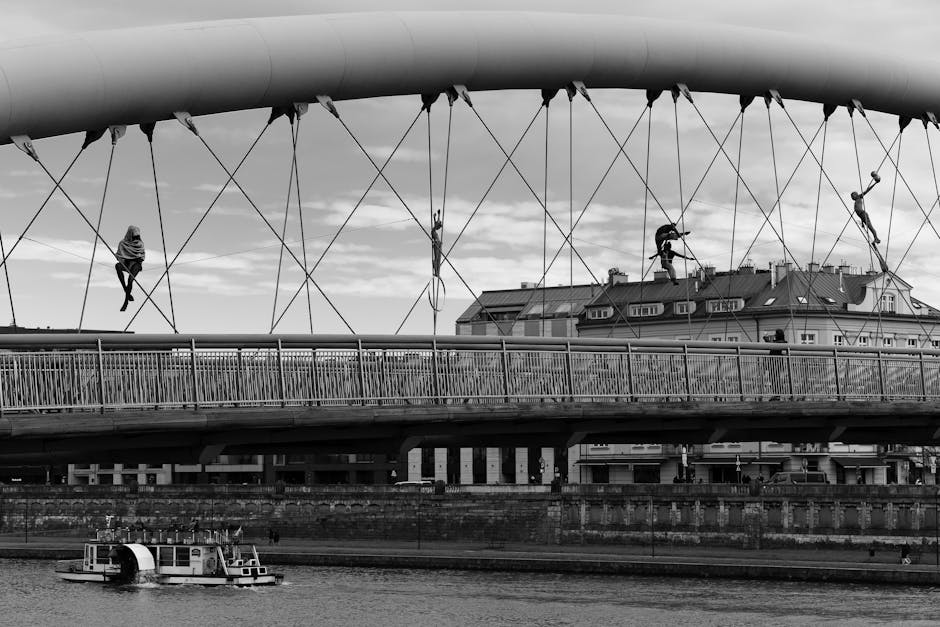 Easy
EasyKrakow, Poland
Discover Krakow’s creative soul in Zabłocie, exploring industrial heritage, contemporary art museums, and avant-garde architecture at your own pace.
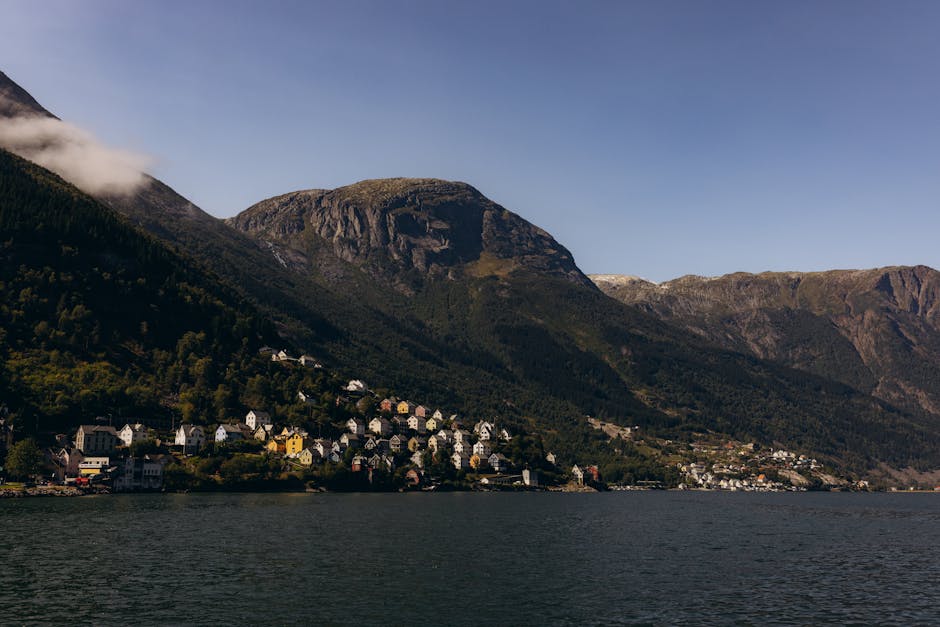 Easy
EasyBergen, Norway
Explore Bergen's vibrant craft beer scene and historic pubs on this self-guided audio walk through the atmospheric Sentrum district.
 Easy
EasyBergen, Norway
Discover Bergen's rich literary heritage on this self-guided walk through the city's historic theaters, libraries, and monuments of great writers.
 Easy
EasyBergen, Norway
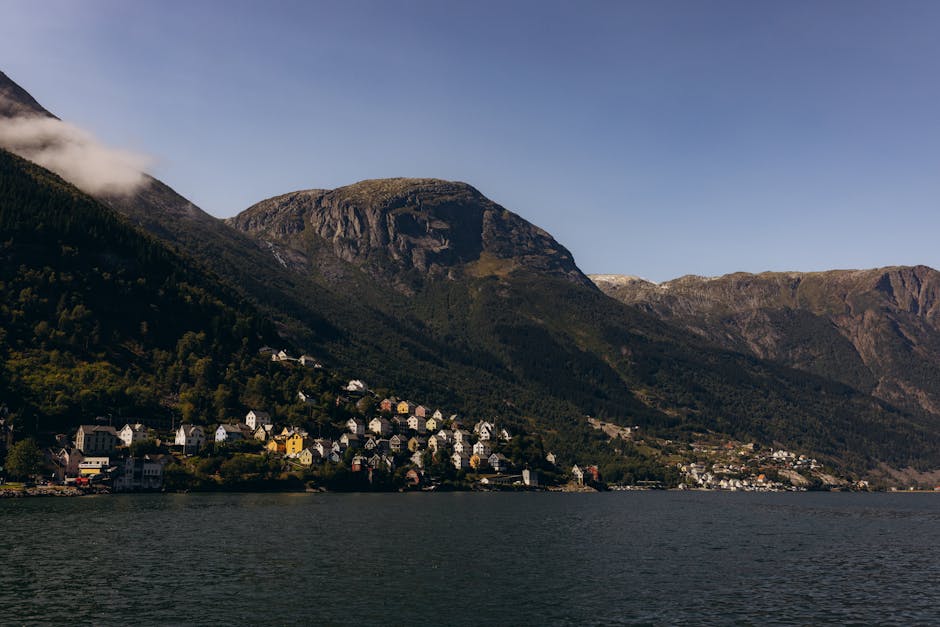
Explore Bergen's charming Nordnes peninsula at your own pace, featuring narrow wooden alleys, historic fortresses, and stunning fjord views.
 Moderate
Bergen, Norway
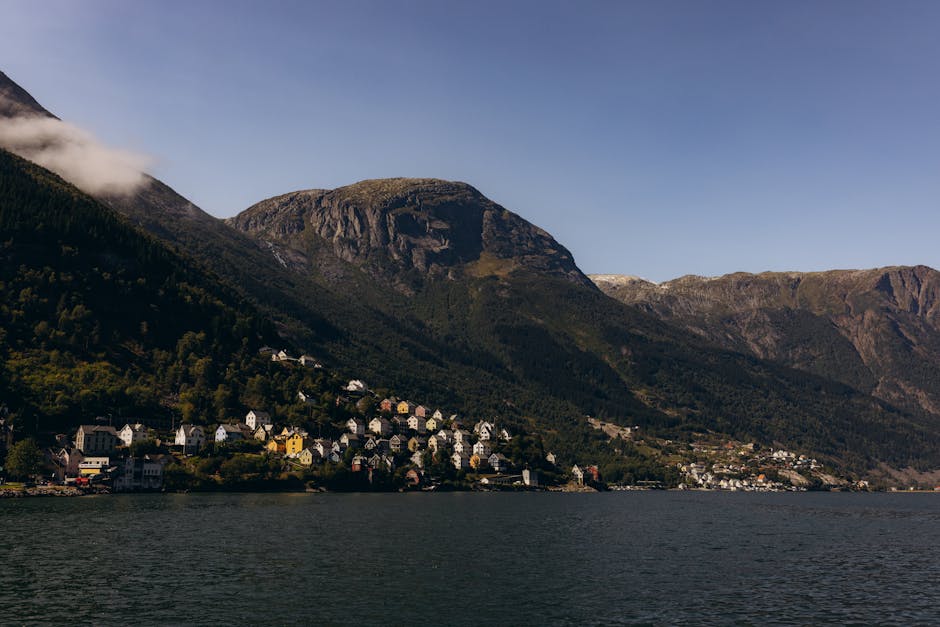
Explore Bergen’s steepest alleys and hidden wooden neighborhoods on this self-guided photography walk through the historic Fjellsiden district.