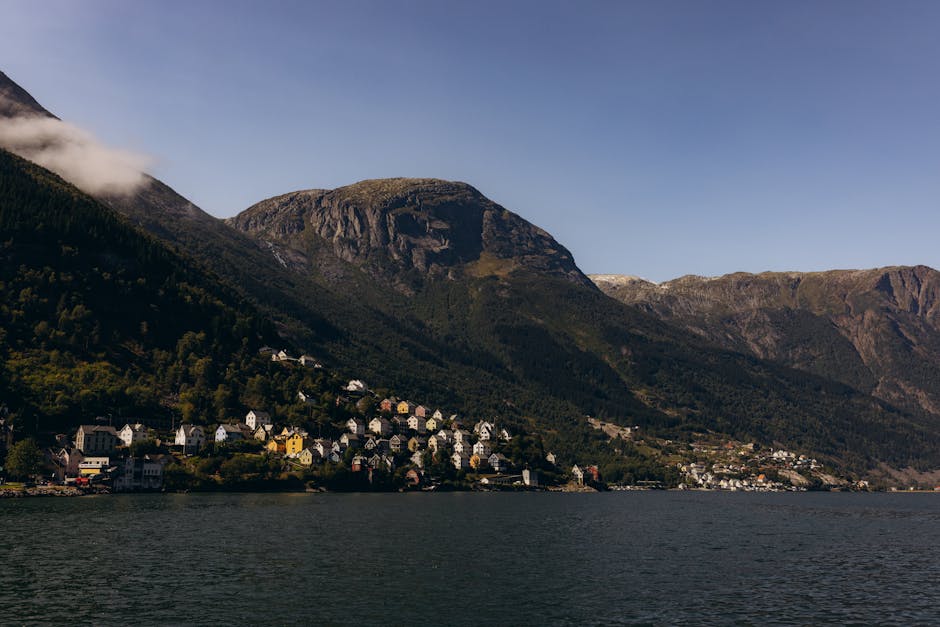
Self-guided audio tour in Bergen
Start Free on iPhone
Start free on iPhone to unlock this self-guided walking tour in Bergen. Hear all the stories that make it amazing, walk at your own pace, and begin whenever you want.
Your Private Tour Guide
Step away from the crowded harbor of Bryggen and discover the quiet, storied streets of Sandviken. Known as the 'Gold Coast' of Bergen, this neighborhood offers a fascinating blend of grand merchant manors and humble worker cottages, all nestled between the steep mountainside and the North Sea. This self-guided walk invites you to explore the architectural evolution of a district that once hummed with the sound of watermills and the bustle of maritime trade. As you wander through this area, you will encounter some of the best-preserved wooden architecture in Northern Europe, reflecting a time when Sandviken was the industrial powerhouse of the city. The route begins at the Gamle Bergen Museum, an open-air architectural treasure where history is literally moved into place. From there, you will transition into the living neighborhood, passing the imposing granite walls of Sandvikskirken and the historic Ladegården estate. This neighborhood stroll captures the essence of the 'Bergen style'—a unique architectural vernacular characterized by narrow alleys, white-washed timber, and slate roofs. You will see how the landscape shaped the community, from the rushing waters of the Mulelven stream that powered early industry to the iconic wharf houses of Skuteviken that served the fishing fleet for centuries. This walking tour Bergen experience is perfect for those who want to see the city through a local lens. Unlike a traditional guided tour Bergen visitors might encounter in the city center, this route allows you to linger in the 'smau'—the narrow, cobblestoned passages—and soak in the peaceful atmosphere of a residential area that feels worlds away from the tourist hubs. Whether you are an architecture enthusiast, a history buff, or simply a traveler looking for the most Instagram-worthy corners of Norway, Sandviken provides a rich, multi-layered narrative of Bergen's past and present. By the time you reach the charming district of Stølen, you will have gained a deep appreciation for the maritime heritage and social history that continues to define this coastal gem.
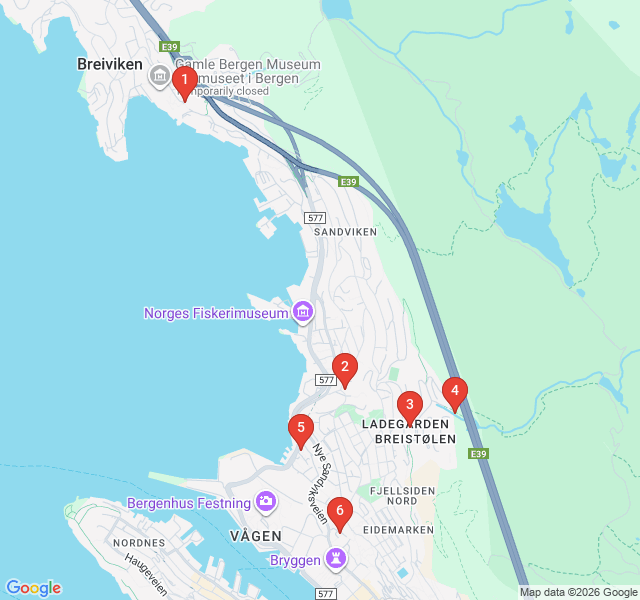
Numbers indicate the order of stops on the tour.
Welcome to the starting point of your self-guided adventure. Gamle Bergen, or Old Bergen, is not just a museum; it is a reconstructed town consisting of over 50 wooden houses dating from the 18th, 19th, and 20th centuries. During the 1800s, Bergen was the largest wooden city in Europe, and this site preserves that unique identity. As you walk through these streets, notice the varying styles—from the grand homes of the merchant elite to the tiny dwellings of craftsmen. The museum was established in 1946 to save these structures from demolition as the modern city expanded. It serves as a living memory of a time when the scent of dried fish and the sound of horse-drawn carriages defined the Bergen atmosphere.
Standing prominently on the hillside is Sandvikskirken, completed in 1881. Unlike the timber houses surrounding it, this church is built from solid granite, designed in a Neo-Gothic style by architect Ernst Lincke. Its construction marked a period of significant growth for Sandviken, which had transitioned from a rural area into a bustling industrial suburb. The church's high steeple served as a landmark for sailors returning from the North Sea. Take a moment to appreciate the stone craftsmanship, which was intended to provide a sense of permanence and grandeur in a neighborhood where fire was a constant threat to the wooden homes below.
As you continue, you encounter Ladegården. The name literally means 'the provisioning farm.' Historically, this was a significant estate that provided food and resources for the Bergenhus Fortress nearby. In the 17th and 18th centuries, it was a grand manor house where the city's elite would escape the crowded city center. The current building reflects the classical influences of the late 1700s. Ladegården represents the bridge between Bergen's military history and its agricultural past, reminding us that Sandviken was once the 'pantry' of the city before it became an industrial and residential hub.
Listen for the sound of rushing water. This is Mulelven, the stream that once powered the heart of Sandviken's industry. In the 16th and 17th centuries, dozens of watermills lined this stream, grinding grain for the city's residents and the Hanseatic merchants at Bryggen. The power of this water made Sandviken a prime location for early industrialization, including textile factories and sawmills. While the large mills are gone, the stream remains a vital part of the landscape, cascading down from the mountains toward the sea, a permanent reminder of the natural forces that dictated where and how Bergen grew.
You have now reached Skuteviken, one of the most picturesque and historically significant harbors in Bergen. This area dates back to the 13th century and was once a primary site for ship repair and maritime trade. The 'Sjøstuer' or sea houses you see here are iconic; they were built with their gables facing the water to facilitate the easy loading and unloading of goods directly from boats. Many of these structures survived the Great Fire of 1702, making them some of the oldest wooden buildings in the city. The tight-knit cluster of houses and the narrow quay reflect the intense maritime activity that once dominated this cove.
Your walking route concludes in Stølen, a charming residential district that marks the transition into Bergen's historic center. This area is famous for its 'smau'—the incredibly narrow, winding alleys that were designed to prevent the spread of fire and maximize space on the steep terrain. As you walk through Stølen, you'll see how residents have meticulously preserved their historic homes, often decorating them with flower boxes and traditional colors. This neighborhood captures the enduring spirit of Bergen: a community built on hillsides, facing the sea, and deeply proud of its centuries-old architectural heritage. From here, a short walk south leads you back to the famous Bryggen wharf.
Start Free on iPhone
Explore “Wharves and White Houses: The Old World of Sandviken” with your very own Private Tour Guide with Zigway. Start free on iPhone, skip the large group and the fixed routes, and hear the city come alive as you go.
Your Private Tour Guide
Don't miss the good stuff
Explore Freely
 Easy
EasyBergen, Norway
Explore Bergen's vibrant craft beer scene and historic pubs on this self-guided audio walk through the atmospheric Sentrum district.
 Easy
EasyBergen, Norway
Discover Bergen's rich literary heritage on this self-guided walk through the city's historic theaters, libraries, and monuments of great writers.
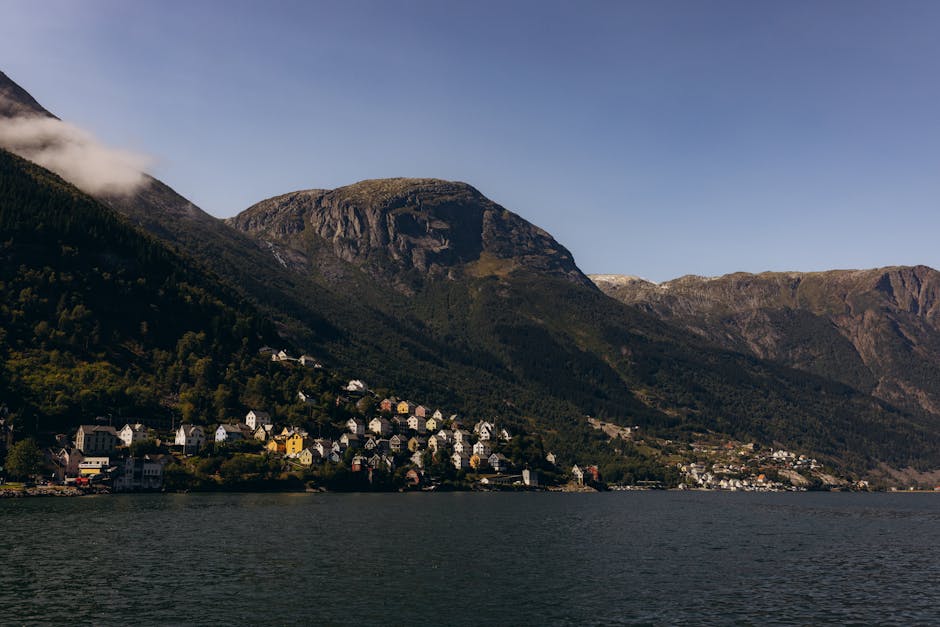 Easy
EasyBergen, Norway
Explore Bergen's charming Nordnes peninsula at your own pace, featuring narrow wooden alleys, historic fortresses, and stunning fjord views.
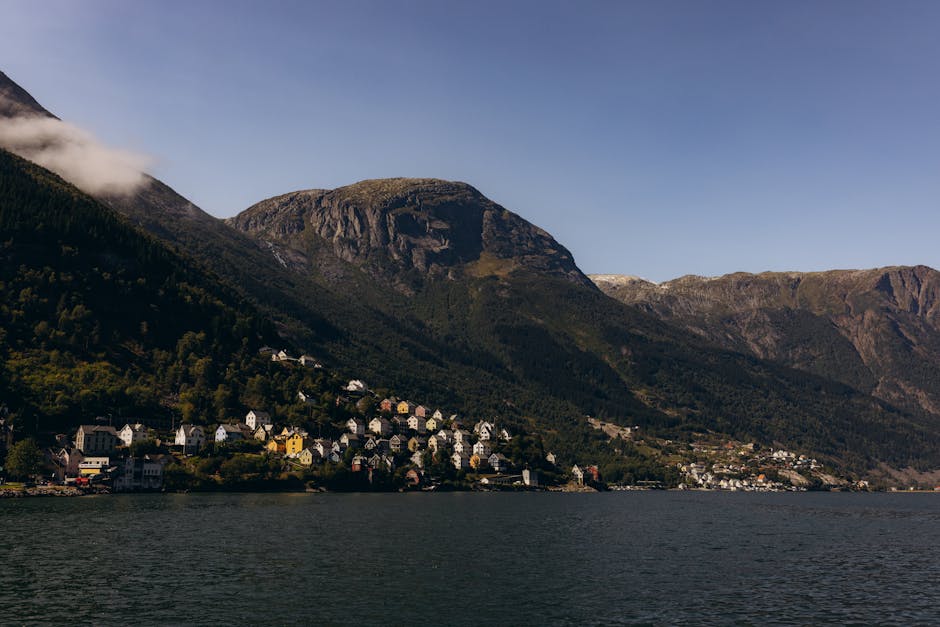 Moderate
Bergen, Norway
Explore Bergen’s steepest alleys and hidden wooden neighborhoods on this self-guided photography walk through the historic Fjellsiden district.
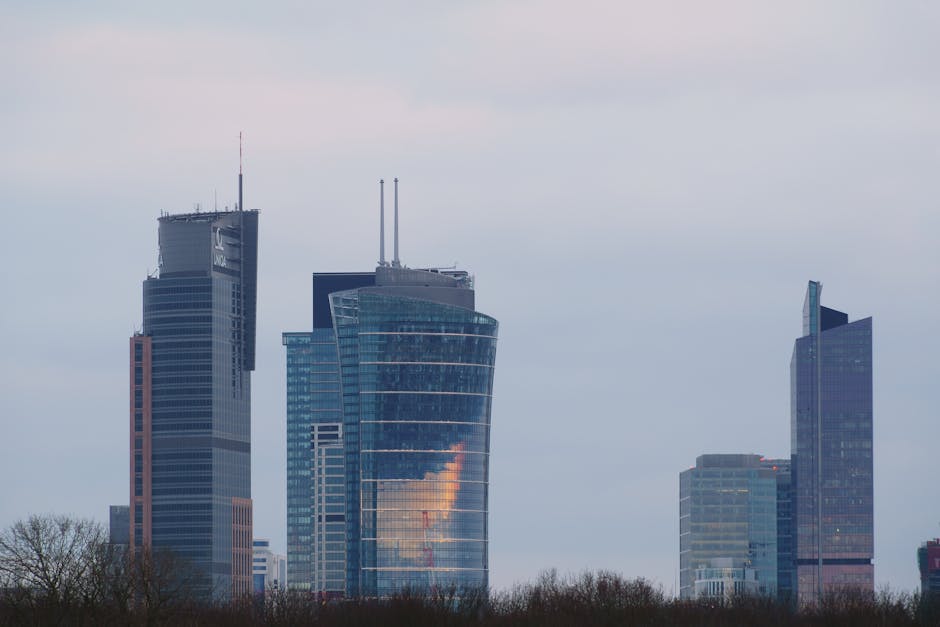 Easy
EasyWarsaw, Poland
Discover the hidden courtyards and grand pre-war architecture of Warsaw's most atmospheric neighborhood on this self-guided stroll.
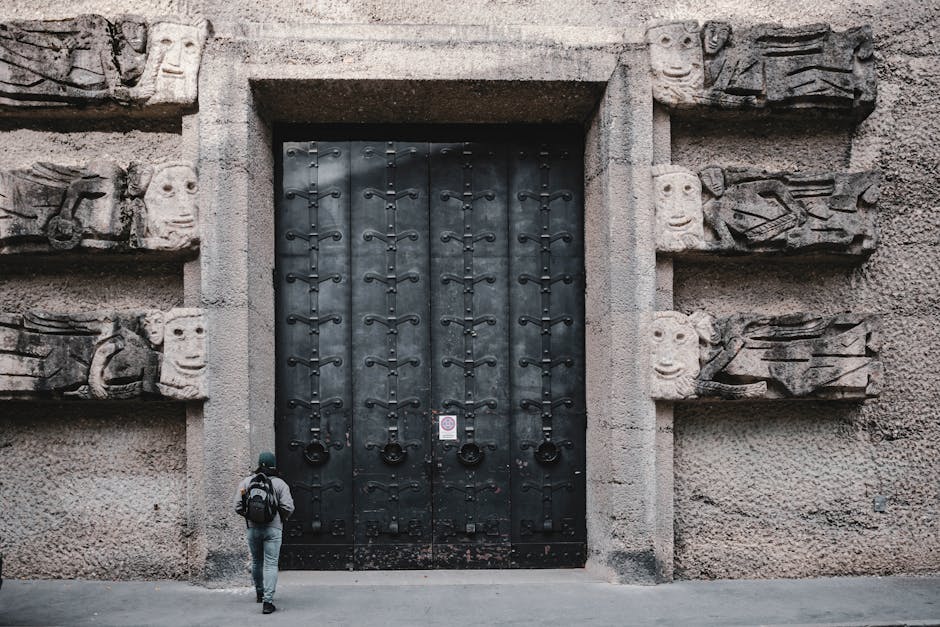 Easy
EasySalzburg, Austria
Discover Salzburg's oldest medieval alley, the birthplace of the 'Silent Night' author, and breathtaking views on this quiet self-guided walk.
 Easy
EasyHelsinki, Finland
Discover Helsinki's oldest neighborhood on this self-guided audio walk through Kruununhaka’s historic streets, hidden courtyards, and scenic shores.
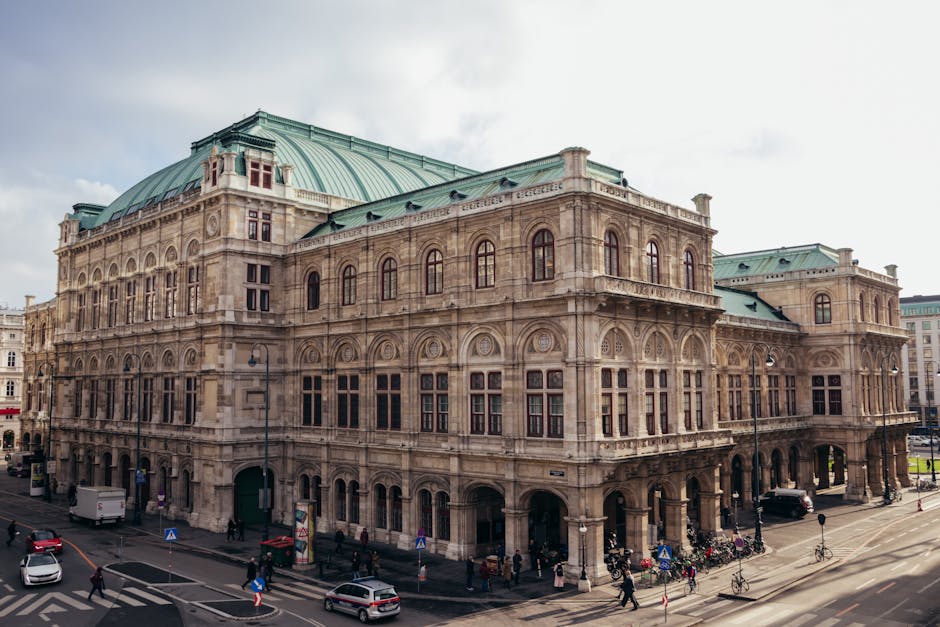 Moderate
Vienna, Austria
Discover the noir world of The Third Man and Cold War Vienna on this atmospheric self-guided audio walk through the historic Innere Stadt.
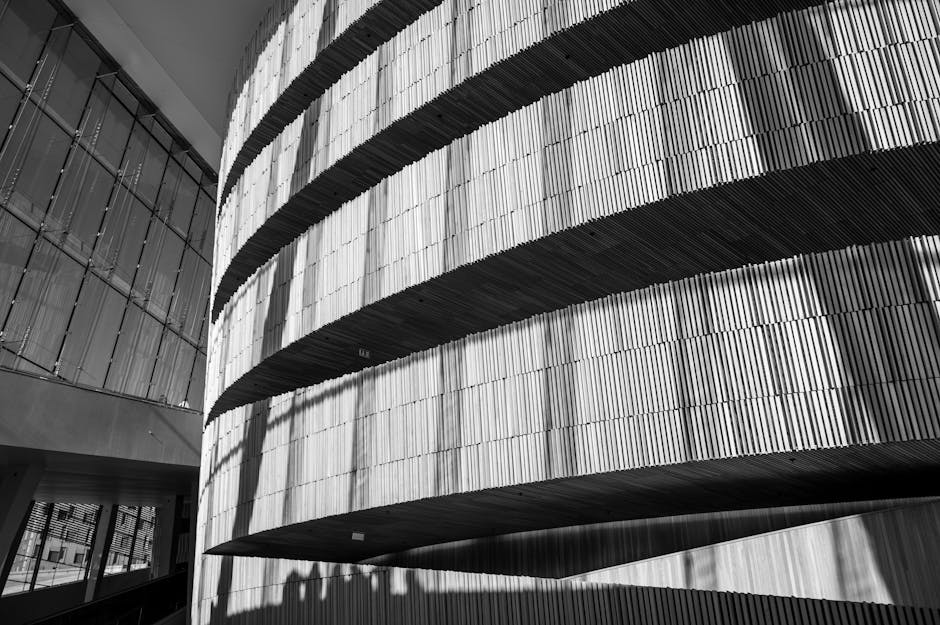 Easy
EasyOslo, Norway
Discover Oslo's stunning modern waterfront on this self-guided walk through the innovative Bjørvika district and its iconic architecture.
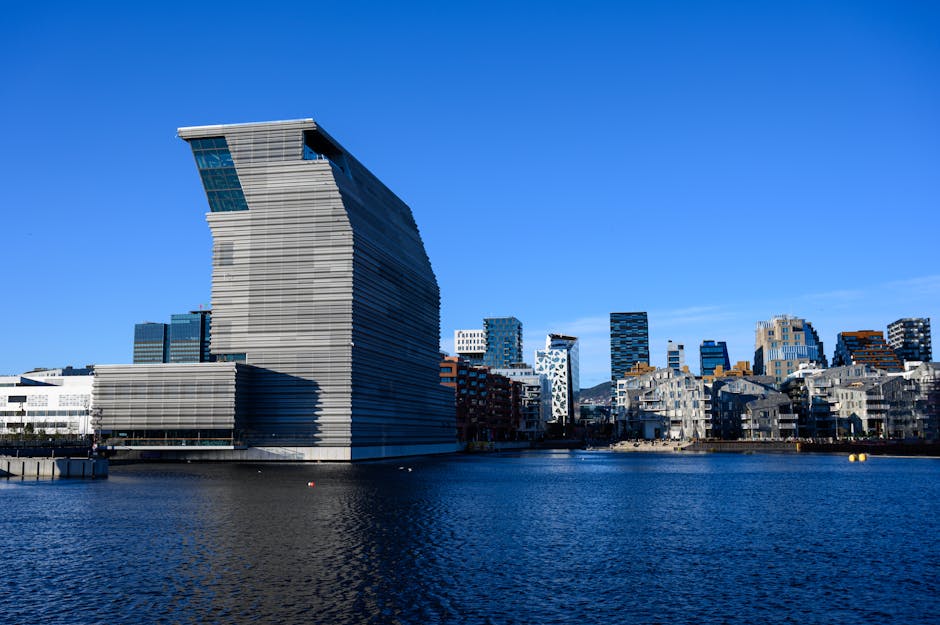 Easy
EasyOslo, Norway
Explore Oslo's 'Thief Island' on this self-guided walk through cutting-edge architecture, world-class galleries, and stunning fjord-side sculptures.
 Easy
EasyOslo, Norway
Discover Oslo's most charming 18th-century wooden houses and medieval history on this peaceful self-guided stroll through hidden hillside lanes.
 Moderate
Oslo, Norway
Discover Oslo's 1,000-year history on this self-guided walk from the medieval Akershus Fortress to the ancient ruins of the Old Town.